
Ebola Health Advisory for Travellers to Uganda: Latest Updates and Safari Travel Guidance
Published by Sankofa Afrika Safaris | 29 October 2026
Uganda remains a remarkable destination for wildlife safaris, gorilla trekking, birdwatching and authentic cultural experiences. However, following recent regional developments involving Ebola virus disease, travellers planning to visit Uganda should stay informed, follow official health guidance and take sensible precautions throughout their journey.
At Sankofa Afrika Safaris, the health and well-being of our guests remain important priorities. We encourage travellers to make informed decisions, follow public health advice and consult their tour operator before departure.
Understanding the Latest Ebola Situation
According to Uganda’s Ministry of Health, the country’s 2026 outbreak of Bundibugyo virus disease was declared over locally on 28 July 2026. In its update issued on 25 October, the Ministry confirmed that Uganda had not recorded another confirmed case since the outbreak ended.
The World Health Organization (WHO) also confirmed on 27 August that Uganda had completed the required 42-day period without a new confirmed case, marking the end of the outbreak.
However, the wider regional situation requires continued attention. Ebola transmission continues in the Democratic Republic of the Congo (DRC), and imported cases have been reported in Kenya and Nigeria. Authorities are maintaining surveillance, contact tracing and other preventive measures across the region.
Travellers should therefore take caution while on a safari and be assured of safety while in the country. They should also minimise movements during the trip and follow the guildlines from their operator while in
For the latest official updates, consult the Uganda Ministry of Health, the World Health Organization and the U.S. Embassy’s Health Alert for Uganda dated 28 October 2026.
Is Uganda Still Safe for Tourists?
Uganda continues to welcome visitors to experience its extraordinary natural beauty, wildlife and cultural heritage. As of the Ministry of Health’s 25 October update, no new confirmed domestic Ebola cases had been reported since the local outbreak ended.
The WHO advises against blanket restrictions on travel to or trade with affected countries, based on the information available in its 23 October update. Nevertheless, the regional situation is evolving, and travellers should check current official advisories and any entry requirements that apply to their nationality and onward destination.
This is particularly important for travellers returning to the United States, where the U.S. Centers for Disease Control and Prevention issued updated guidance on 28 October concerning travellers arriving from Uganda and other countries affected by the regional outbreak. Some travellers may face specific screening or entry requirements.
Our advice: Do not rely on general reassurance alone. Review the latest health and travel guidance before departure, maintain communication with your tour operator and ensure that your itinerary complies with applicable requirements.
What Is Ebola and How Does It Spread?
Ebola virus disease is a serious illness that can cause fever, weakness, muscle pain, headache, vomiting, diarrhoea and, in severe cases, internal or external bleeding.
The virus spreads primarily through direct contact with the blood or other bodily fluids of an infected person, or with contaminated materials. Contact with infected animals or their bodily fluids can also present a risk.
Ebola does not spread simply because someone visits Uganda or shares a tourist destination with other travellers. Understanding how transmission occurs helps visitors take appropriate precautions without unnecessary fear.
For further information, read the WHO’s Ebola disease information.
Essential Health and Safety Precautions for Travellers
Travellers can take practical steps to reduce exposure to infectious diseases during their stay in Uganda.
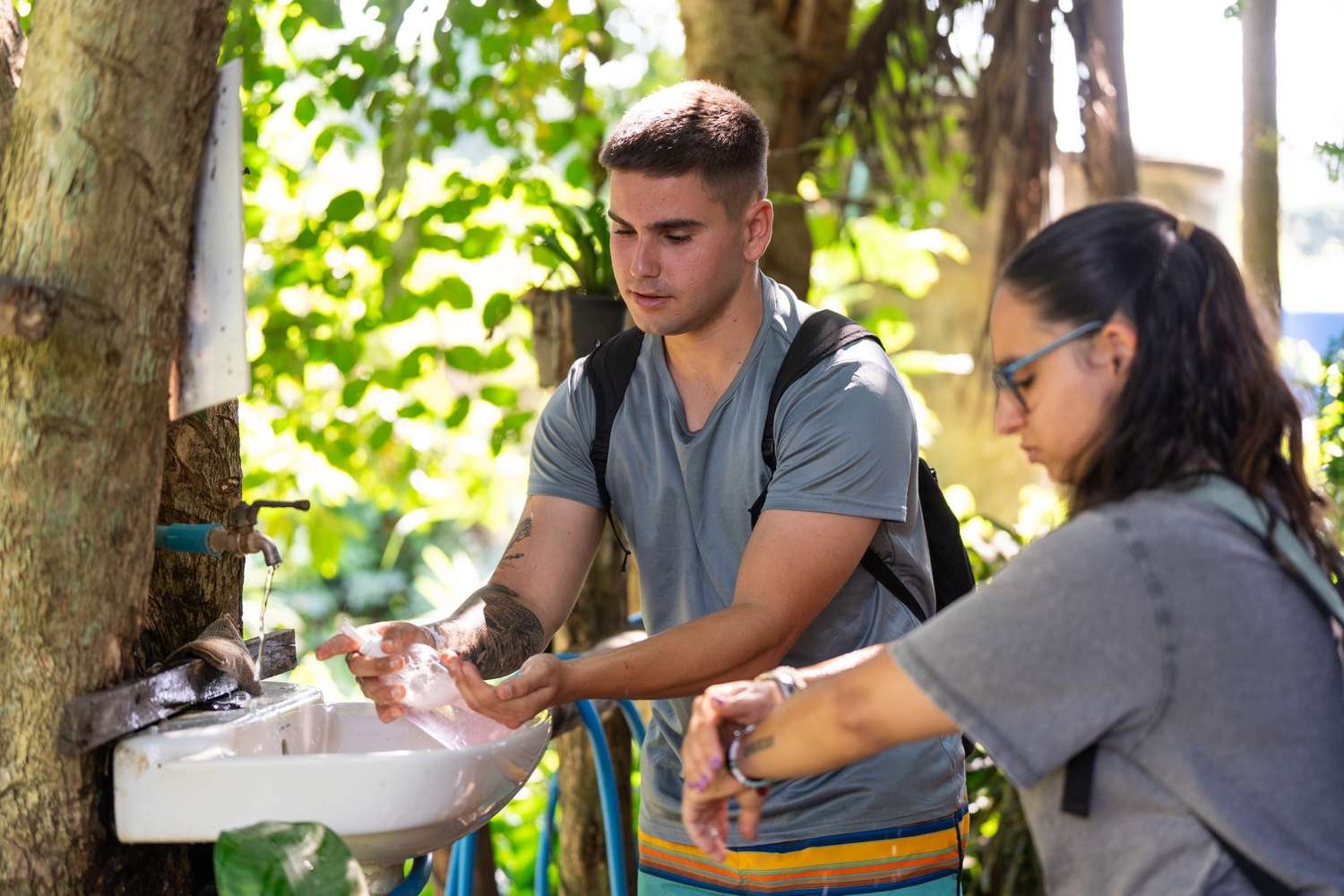
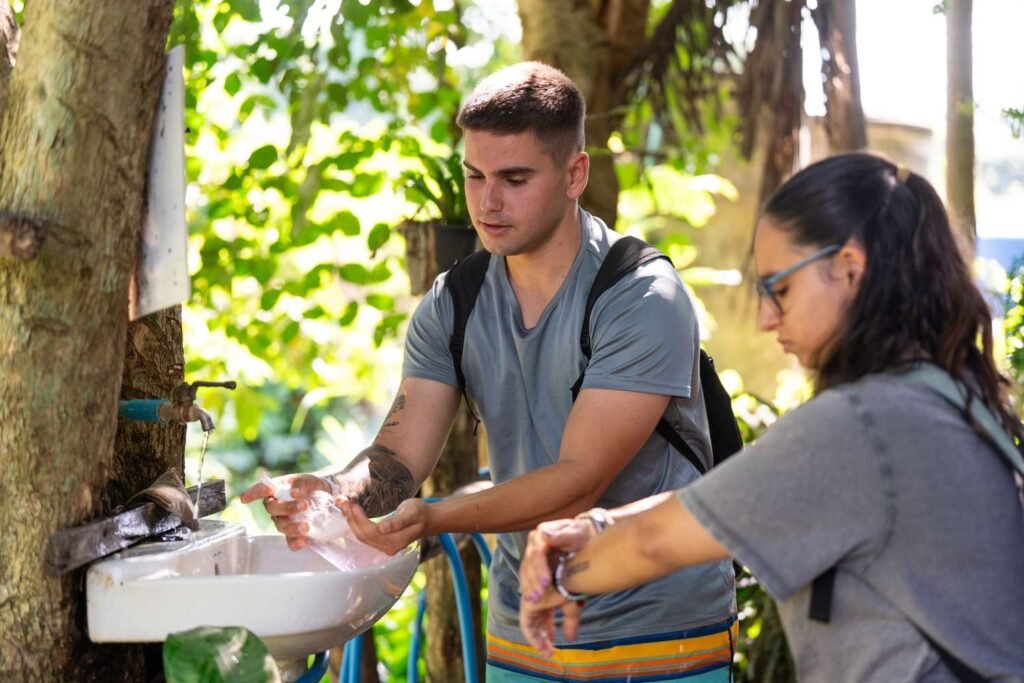
1. Practise good hand hygiene
Wash your hands regularly with soap and clean water, particularly before eating and after using the toilet. Use an alcohol-based hand sanitiser when soap and water are unavailable.
2. Avoid contact with bodily fluids
Do not touch blood, vomit or other bodily fluids from anyone who is ill. Avoid handling potentially contaminated materials and never attempt to care for a person suspected of having Ebola without appropriate training and protective equipment.
3. Avoid contact with sick or dead wild animals
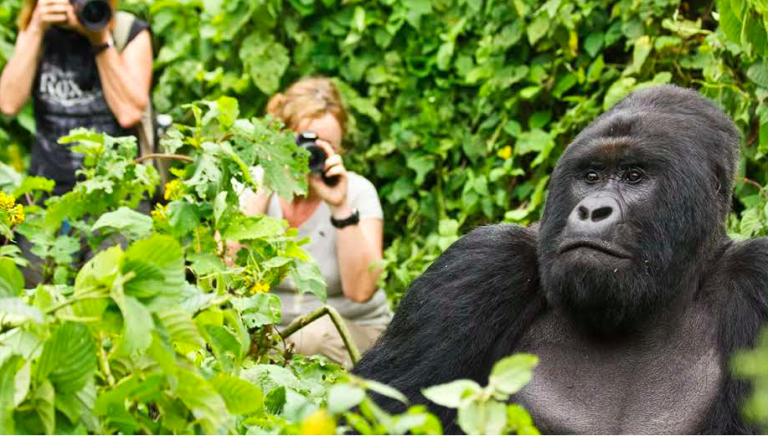
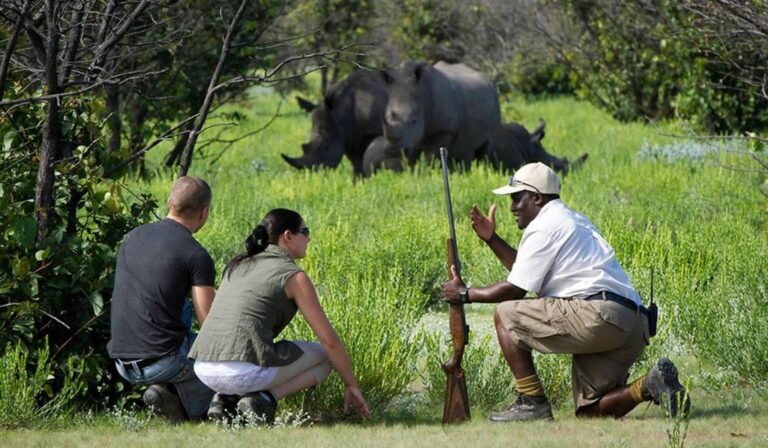
Do not handle bats, primates or other wild animals, and avoid touching or consuming animals found dead. Follow your guide’s instructions during wildlife activities.
4. Follow health screening requirements
Cooperate with health screening at airports and other designated entry points. Provide accurate travel information and follow instructions from authorised health officials.
5. Seek medical guidance if you become unwell
If you develop symptoms compatible with Ebola, particularly after a possible exposure, avoid close contact with others and contact local health authorities or a healthcare provider immediately. Explain your symptoms, travel history and any possible exposure before attending a healthcare facility so appropriate precautions can be arranged.
For more guidance, visit the CDC’s Ebola information for travellers.
Can You Still Book a Safari in Uganda?
Uganda offers extraordinary travel experiences, from tracking mountain gorillas in Bwindi Impenetrable National Park to exploring the wildlife-rich savannahs of Queen Elizabeth National Park and cruising along the Nile in Murchison Falls National Park.
The end of the country’s local outbreak is encouraging, and tourism planning can continue while travellers remain attentive to official advice. However, every traveller should make decisions based on current guidance, personal circumstances, applicable entry rules and any advice from healthcare professionals.
At Sankofa Afrika Safaris, we encourage prospective guests to contact us before travelling so that we can discuss their itinerary, provide relevant updates and help them prepare responsibly.
Explore our Uganda safari packages, discover practical information in our Uganda Travel Guide or learn more about our gorilla trekking experiences.
How Sankofa Afrika Safaris Supports Responsible Travel
At Sankofa Afrika Safaris, we believe a memorable safari begins with careful preparation, clear communication and responsible travel practices.
We encourage our guests to:
- Review official health advisories before travelling.
- Follow public health instructions and applicable screening requirements.
- Maintain good personal hygiene throughout their journey.
- Communicate promptly with their tour coordinator if health concerns arise.
- Follow the guidance of their professional safari guide and relevant local authorities.
- Ensure they have appropriate travel and medical insurance.
Our team can help guests plan their safari, coordinate transport and accommodation, and stay informed about relevant travel requirements. Public health rules can change, so all travellers should continue checking official sources throughout the planning process.
For assistance with your travel plans, visit our Contact Us page or email info@sankofafrikatours.com.
Final Advisory: Stay Informed, Travel Responsibly and Discover Uganda
Uganda’s local Ebola outbreak was declared over, and the Ministry of Health reported no new confirmed domestic cases as of 25 October 2026. At the same time, the continuing regional outbreak means that travellers must remain vigilant and pay attention to evolving public health guidance.
We encourage travellers to continue exploring Uganda’s remarkable wildlife, landscapes and cultural experiences while making informed decisions, following recommended precautions and complying with official travel requirements.
Plan your next African adventure with Sankofa Afrika Safaris. Our team is ready to help you prepare for a responsible, well-organised and memorable journey through Uganda.
Website: https://www.sankofafrikatours.com
Email: info@sankofafrikatours.com
Health advisory disclaimer: This article provides general travel information and is not a substitute for medical advice or official government travel guidance. Public health information can change rapidly. Please consult the relevant authorities before departure.