

4-Day Gorilla Conservation & Batwa Forest Trail
Track a habituated mountain gorilla family in Bwindi Impenetrable Forest, then spend a day with Batwa guides who know the forest from the inside: its medicinal plants, hunting tools and songs.
Tour Overview
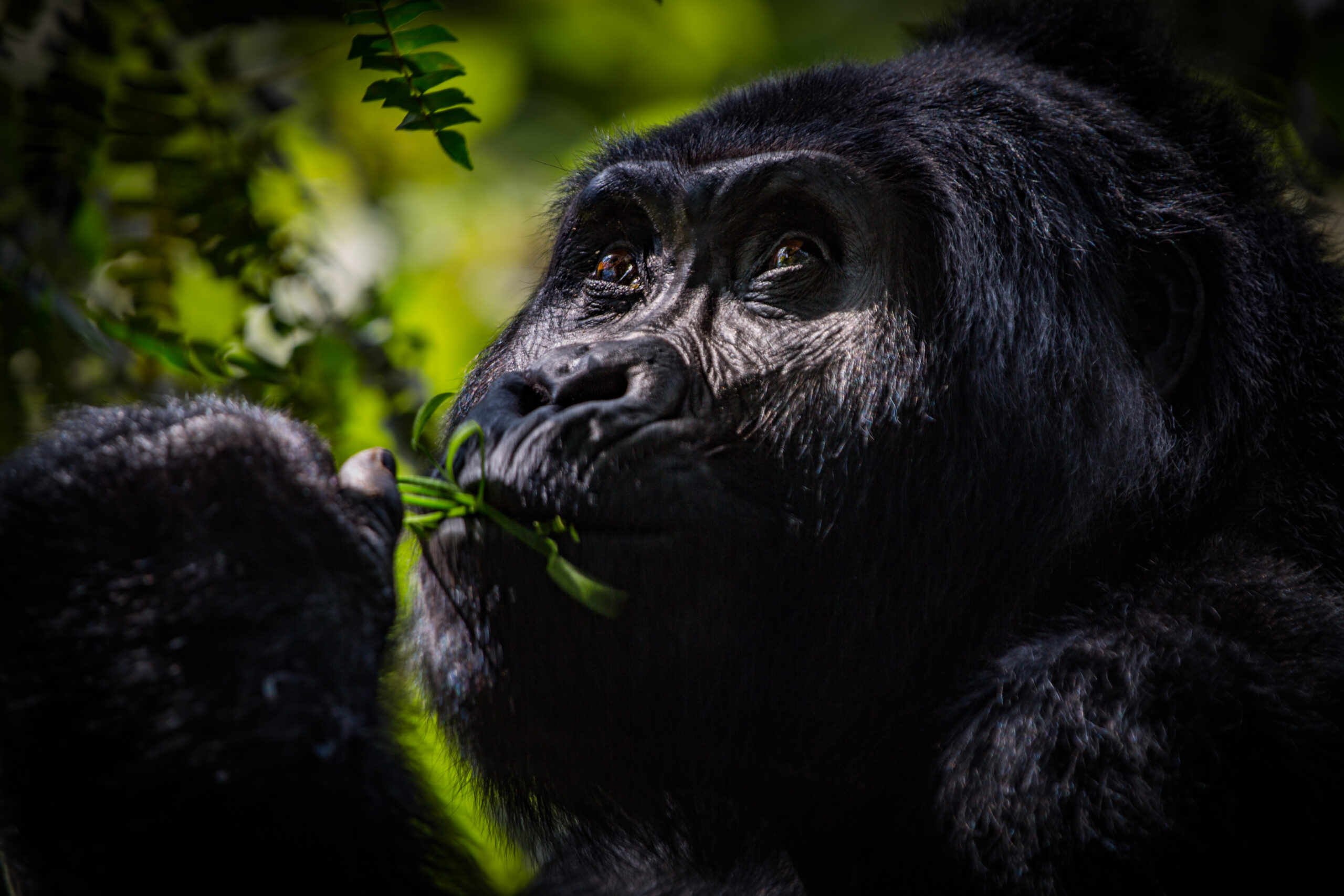
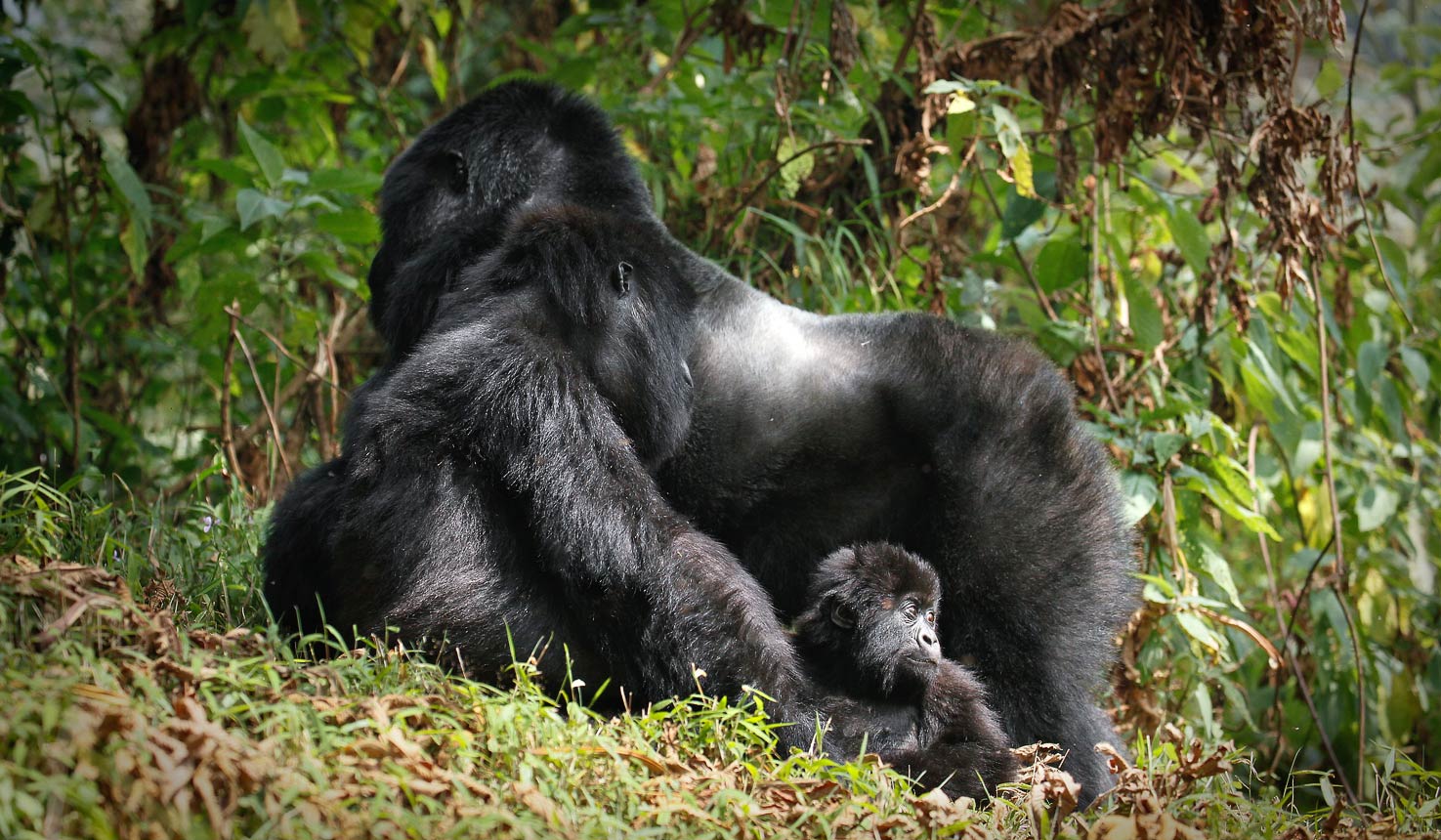
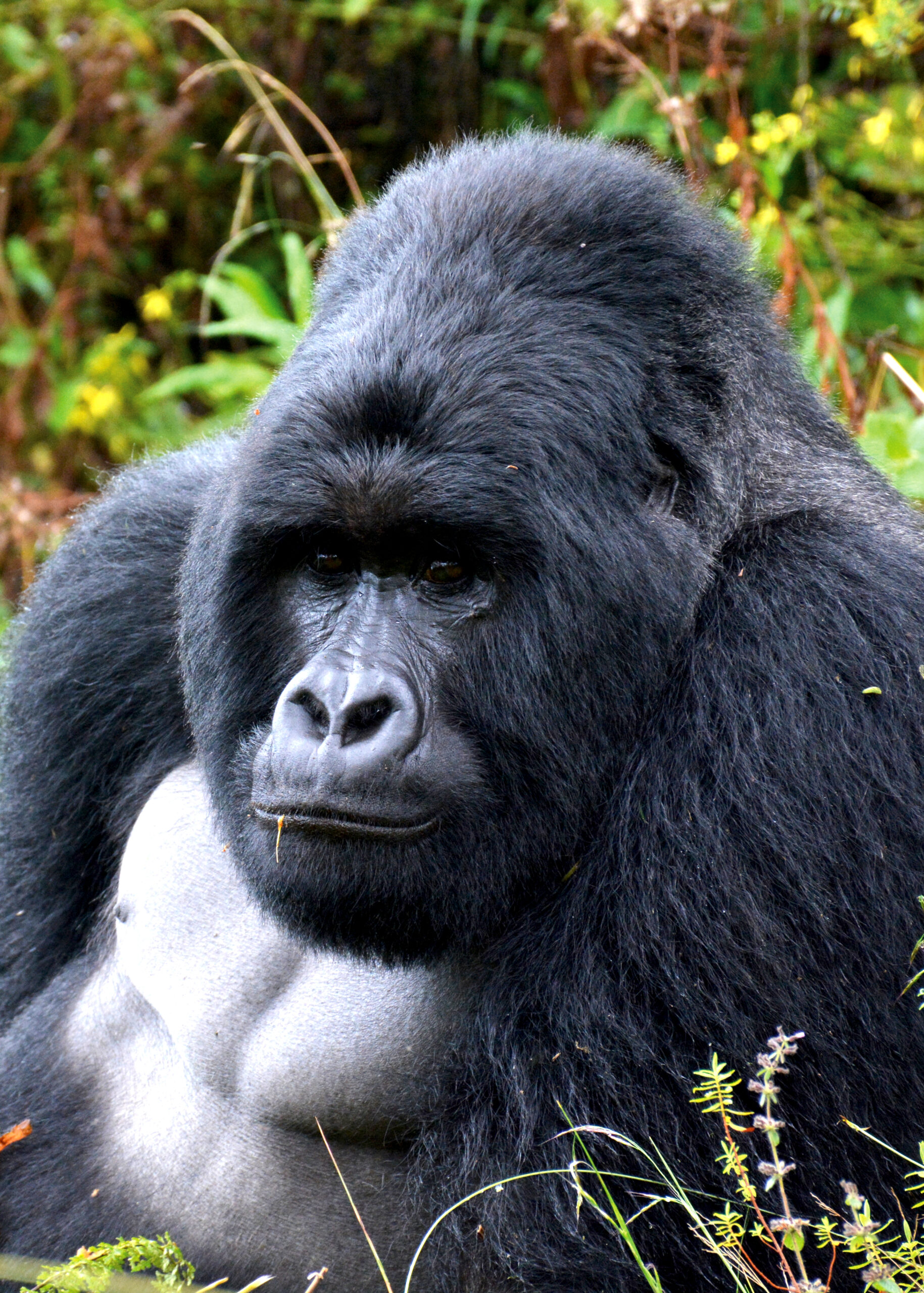
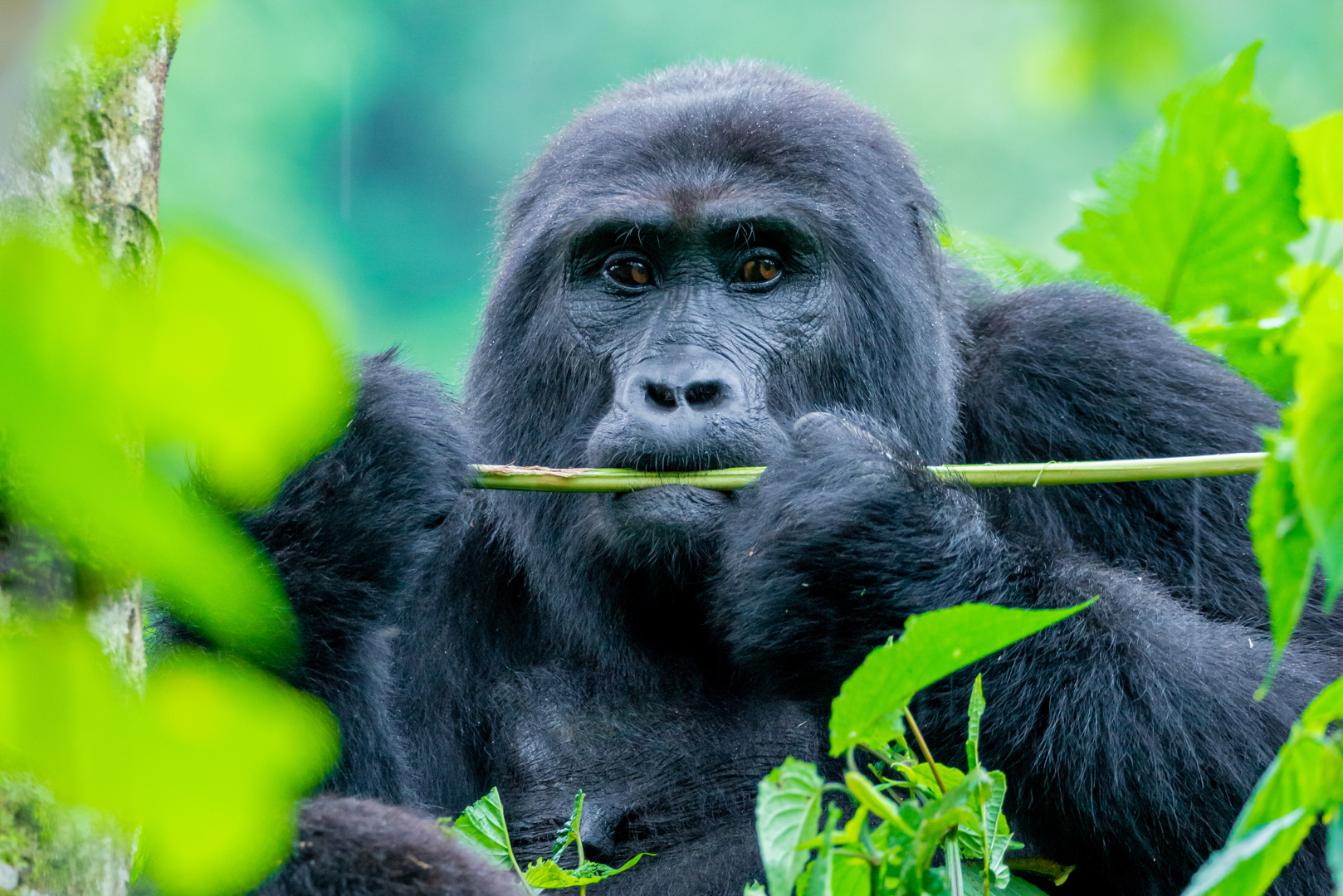
Bwindi Impenetrable Forest in south-western Uganda is a UNESCO World Heritage Site and home to mountain gorillas. It was also home to the Batwa people long before it became a national park. This four-day trip pairs a gorilla trek with a day of Batwa forest knowledge, crafts and community visits, so you see the forest from both sides.
Trip Highlights
Gorilla Trek
One hour with a habituated gorilla family, with UWA rangers guiding the trek.
Batwa Forest Trail
Walk with Batwa guides who show you medicinal plants, hunting tools and songs.
Hands-On Crafts
Try pottery and weaving with Batwa artisans.
Community Visits
A conservation project or village school visit, and a stay in a community-partnered lodge.
Plan Your Gorilla & Batwa Trip
Tell us your dates and group size and we'll check permit availability and send you a quote.
Day-by-Day Itinerary
Kampala / Entebbe → Bwindi
Leave Kampala or Entebbe early, ideally by 6:00 am, and head west and south through central Uganda's farmland. The road crosses the equator and passes Lake Mburo National Park, then climbs into Kigezi, a country of steep ridges, tea and banana terraces and busy roadside markets. Your driver-guide gives you background on the regions as you go.
If you'd rather skip the drive, a charter flight to Kisoro or Kihihi cuts the journey to under an hour. It costs extra and we can quote it.
You reach the lodge in the afternoon for lunch and check-in. In the evening your guide and UWA rangers brief you on the gorilla trekking rules: how close you can go, photography, and how to behave around the family. Then it's dinner and an early night.
- Drive via the equator and Lake Mburo
- Lodge check-in
- Trekking briefing and dinner
Gorilla Trekking
After an early breakfast you go to the trek starting point, where UWA rangers assign groups and confirm where the habituated family was last seen. The forest is thick in places, with steep ridges, roots and mud, and the canopy keeps the light green and soft even at midday. The trek can take anywhere from an hour to most of the day, because the gorillas move where they want.
Once you find them you get one hour, the time allowed per group under UWA rules. Habituated doesn't mean tame. These are wild animals in their own forest, and you may be only a few metres away. You might see silverbacks resting and infants learning to climb.
You walk back at a gentler pace while the rangers explain the forest. Back at the lodge there's a hot shower and a long lunch. In the evening you can join an optional talk with the rangers on gorilla conservation and community protection.
- Guided gorilla trek with UWA rangers
- One hour with the gorilla family
- Optional conservation talk
Batwa Forest Trail & Community
The Batwa are one of Central Africa's oldest forest-dwelling peoples and lived in Bwindi before it became a national park. In the morning Batwa community members lead you along a forest trail. Their guides show you plants used for fever, childbirth and wounds, and demonstrate traditional bows and tracking. They sing songs from hunting, gathering and coming home. This is knowledge people still use.
Next comes a craft session with Batwa artisans, who make pottery, woven items and decorated tools. You try it yourself, and shaping even a basic clay form shows you how skilled they are.
In the afternoon you either visit a local conservation project, where people talk openly about how livelihoods and forest protection fit together, or a village school. The evening is free to relax at the lodge, and the mist that settles over the hills in late afternoon is good for photos.
- Batwa forest trail
- Craft session with Batwa artisans
- Conservation project or school visit
Return to Kampala / Entebbe
Early light over the Bwindi hills is worth getting up for, with mist still in the valleys. After breakfast there's time for a short walk near the lodge before you say goodbye to your hosts and head back east with your driver-guide.
On the way you can stop at craft markets for Ugandan basketry, woodwork and Batwa pottery, which supports the communities you've visited. Depending on timing, a short stop at Lake Mburo is possible, where zebra, impala and hippo are often seen from the road. You arrive in Kampala or Entebbe in the evening, as arranged at booking.
- Morning at leisure
- Optional craft market and Lake Mburo stops
- Drive back to Kampala or Entebbe
What's Included
Included
- Private 4×4 vehicle and driver-guide
- 1 gorilla trekking permit per person
- 3 nights at a community-partnered lodge, full board
- Batwa forest trail, craft session and community visit fees
- Uganda Wildlife Authority ranger guide
- Bottled drinking water
- Local taxes and community fees
Excluded
- International flights and Uganda visa
- Travel, medical and evacuation insurance
- Tips for guides, rangers and lodge staff
- Alcohol and premium drinks
- Optional charter flight to Kisoro or Kihihi
- Permit price increase, if UWA changes rates before travel
- Personal purchases and laundry
Price Per Person
| Group Size | Price per Person | Notes |
|---|---|---|
| 1 traveller | $1,690 | Private 4×4, ranger guide, permit |
| 2 travellers | $1,240 | Per person |
| 3 travellers | $1,110 | Per person |
| 4 travellers | $1,030 | Per person |
| 5 travellers | $990 | Per person |
| 6 travellers | $960 | Best group value |
Before You Book
Good to Know
- Driving: The road from Kampala or Entebbe takes 8–9 hours, so leave by 6:00 am. A charter flight to Kisoro or Kihihi is available at extra cost and gets you there in under an hour.
- Permits: We book your gorilla permit when you confirm. Permit prices are set by UWA, and any increase between booking and travel is invoiced separately. Permits are non-refundable once issued.
- Fitness: Moderate. The trek is sustained effort on steep, muddy, uneven ground, and can last from an hour to most of the day. Bring waterproof boots with ankle support, gloves for gripping vegetation, a light daypack with rain cover and 2 litres of water. We provide a packed lunch.
- Photography: The forest is dim even at midday, so a fast lens and good high-ISO performance help. You'll often be close to the gorillas, so a standard zoom works better than a long telephoto. Bring a dry bag or rain cover.
- Health: Yellow fever vaccination is required for entry to Uganda. Malaria prophylaxis is recommended, so see a travel clinic before you go. Anyone with cold or flu symptoms may be asked not to trek, since gorillas are very susceptible to human respiratory infections.
- Insurance: Comprehensive travel and medical insurance, including evacuation cover, is strongly advised.