
Zoka Coffee Uganda: Discover the Rare Wild Excelsa Coffee of Adjumani
Deep within the green tropical forests of Adjumani District in northern Uganda, a remarkable natural treasure is attracting attention from coffee researchers, conservationists and people interested in sustainable tourism. Known as Zoka Coffee, this rare wild coffee grows naturally beneath the forest canopy of Zoka Central Forest Reserve and carries a story connected to indigenous heritage, biodiversity and the future of Uganda’s coffee industry.
For generations, the Ma’adi community has lived alongside the forest and its naturally growing coffee trees. In May 2026, the Adjumani District Council formally recognised the local name Zoka Coffee for this wild Excelsa coffee, bringing renewed attention to the relationship between the forest, its people and the region’s natural heritage.
Zoka Coffee is more than an agricultural discovery. It represents an opportunity to explore how indigenous knowledge, scientific research, forest conservation and responsible tourism in Uganda can support one another.
For Uganda, a country recognised internationally for its coffee production, this development offers an exciting opportunity to celebrate a lesser-known coffee variety. For travellers, it introduces another reason to discover northern Uganda beyond the country’s traditional wildlife destinations.
At Sankofa Afrika Safaris, we believe that meaningful African travel should connect visitors with the people, cultures, landscapes and conservation stories that make every destination unique.
What Is Zoka Coffee in Uganda?
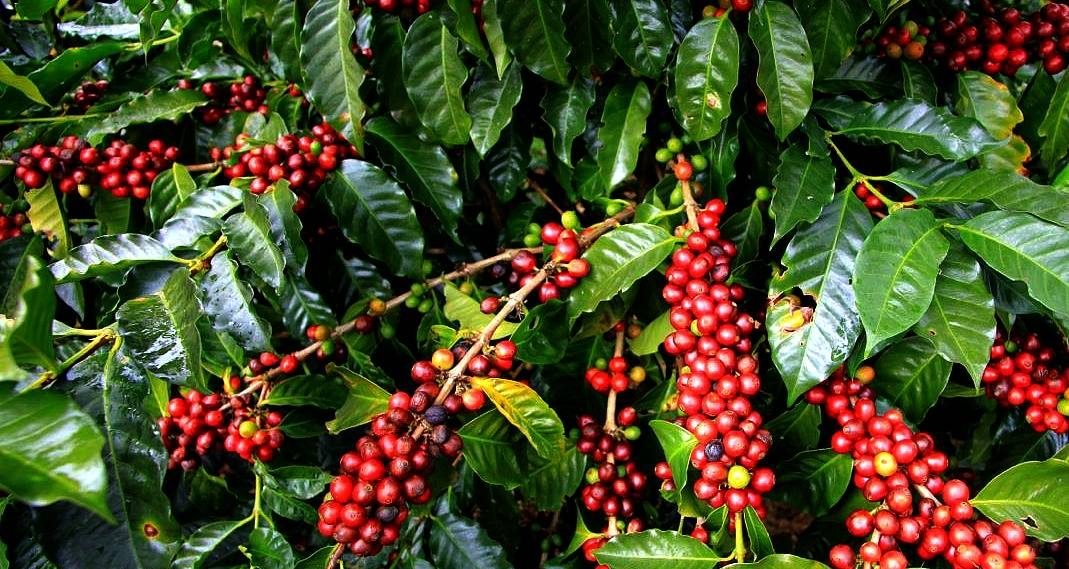
Zoka Coffee is the local name given to a rare wild Excelsa coffee variety growing naturally in Zoka Central Forest Reserve in Adjumani District, northern Uganda.
Excelsa coffee is associated with the species Coffea dewevrei, although botanical classification and naming can vary across scientific references. Unlike the commercially dominant Arabica and Robusta coffees, Excelsa remains a less widely developed coffee resource with potential importance for research, biodiversity and agricultural diversification.
The recognition of the name Zoka Coffee connects the variety to the forest and the communities that have known about it for generations.
According to reporting by Uganda’s Daily Monitor, the Adjumani District Council formally recognised the coffee following years of advocacy to protect the forest. The decision has created an opportunity to bring greater public and scientific attention to the natural resource.
Read more from Daily Monitor’s report on Zoka Coffee.
Why Is Zoka Coffee Important to Uganda and the Global Coffee Industry?
Coffee is an important agricultural commodity for Uganda, supporting farmers, businesses, exporters and communities across the country. However, the future of coffee production is increasingly influenced by climate change, changing rainfall patterns, pests and plant diseases.
This has encouraged researchers to investigate lesser-known coffee species that may contribute to agricultural diversification and future breeding programmes.
1. A potential resource for climate-resilient coffee research
Zoka Coffee has attracted interest because Excelsa is an underutilised coffee species with potential value for research into climate resilience and biodiversity.
Uganda’s National Agricultural Research Organisation (NARO) has highlighted the potential of Excelsa coffee to diversify the country’s coffee sector and support research into climate adaptation, conservation and future market development.
The research is important because coffee farmers need access to scientifically tested planting materials, reliable information about crop performance and markets that can support sustainable production.
Explore the National Agricultural Research Organisation’s research on Excelsa coffee.
2. Expanding Uganda’s coffee diversity
Uganda is widely associated with Arabica and Robusta coffee. However, the country’s natural environment also supports other coffee species that deserve research and recognition.
Excelsa offers an opportunity to expand the conversation about Uganda’s agricultural biodiversity.
With further research, quality assessment, responsible cultivation and market development, this lesser-known coffee could create new opportunities for farmers and specialty coffee businesses.
3. Creating opportunities for specialty coffee
Specialty coffee consumers increasingly explore distinctive origins, varieties, production methods and stories behind the beans they drink.
Zoka Coffee has an interesting identity because it connects a rare wild coffee variety with a specific forest, an indigenous community and a conservation story.
Its future commercial potential will depend on careful scientific evaluation, sustainable production, quality consistency and responsible marketing.
Zoka Central Forest Reserve: The Home of Zoka Coffee
Zoka Central Forest Reserve is located in Adjumani District in northern Uganda. It is an important natural ecosystem with a rich environment of trees, vegetation and biodiversity.
The forest is closely connected to the heritage of the Ma’adi community, whose generations have lived alongside this landscape.
However, the reserve has faced environmental pressures, including illegal logging, charcoal production and agricultural encroachment.
Protecting the forest is important not only for its wild coffee but also for its wider ecological value.
The role of Friends of Zoka in forest conservation
Local conservation organisations have played an important role in raising awareness about the importance of protecting Zoka Forest.
One of these organisations is Friends of Zoka, which was established in 2016 to advocate for the protection and conservation of the forest and the wider environment in Adjumani.
The organisation’s work demonstrates how local advocacy, community participation and environmental awareness can contribute to protecting important natural resources.
How Zoka Coffee could support forest conservation
Giving the coffee a recognised local identity creates an opportunity to connect its future value with the protection of its natural home.
The principle is straightforward: a forest that creates sustainable benefits for surrounding communities has a stronger opportunity to be protected for future generations.
However, this requires responsible management. Wild coffee should not be harvested illegally or in ways that damage the forest ecosystem.
Any future commercial development must respect conservation rules, scientific guidance, community rights and the regulations governing the reserve.
Research into cultivation outside the protected forest could also help create opportunities for farmers without placing additional pressure on the natural ecosystem.
The Ma’adi Community and the Cultural Heritage of Zoka Coffee
The story of Zoka Coffee is also a story about people and cultural heritage.
For generations, the Ma’adi community has lived alongside the forest and its natural resources. The recognition of Zoka Coffee offers an opportunity to give greater attention to the community’s relationship with this landscape.
Indigenous knowledge can contribute to conversations about biodiversity, traditional resource management and sustainable livelihoods.
It is important that any future tourism or coffee development recognises local people as participants and beneficiaries rather than simply presenting their heritage as a tourist attraction.
Community involvement could include cultural interpretation, local guiding, knowledge-sharing, coffee education and opportunities for local businesses.
For visitors, this could create a deeper understanding of northern Uganda’s cultural identity and the relationship between communities and their environment.
How Zoka Coffee Could Transform Eco-Tourism in Northern Uganda
Northern Uganda offers opportunities for travellers interested in wildlife, nature, culture and lesser-known destinations. Zoka Coffee could become part of a wider effort to develop responsible tourism experiences in Adjumani.
At Sankofa Afrika Safaris, we see potential for connecting coffee heritage, community experiences and nature-based tourism through carefully planned itineraries.
These are development opportunities, not a claim that organised visitor activities in the forest are already operating. Any visits would need to be arranged with the relevant authorities and community partners, with appropriate permission and conservation safeguards.
1. Developing responsible eco-trails in Adjumani
Zoka Forest could form part of a broader northern Uganda nature-tourism experience, subject to official access permissions and environmental assessments.
Potential activities could include guided interpretation of the forest ecosystem, birdwatching, environmental education and learning about the area’s native plant diversity.
Travellers already exploring Uganda’s established safari destinations may be interested in extending their journeys to discover more of the north.
For example, visitors considering a 5-day Murchison Falls safari could ask Sankofa Afrika Safaris about the possibility of adding other northern Uganda destinations to their itinerary.
2. Creating forest-to-cup coffee experiences
Coffee tourism offers visitors an opportunity to understand how coffee connects agriculture, culture, business and everyday life.
With the involvement of local communities and relevant authorities, future Zoka Coffee experiences could introduce visitors to:
- The history of wild Excelsa coffee in Adjumani.
- The relationship between the Ma’adi community and Zoka Forest.
- Coffee research and the development of Excelsa as an agricultural resource.
- Sustainable coffee cultivation outside protected forest areas.
- Coffee processing, roasting and preparation.
- The importance of protecting Uganda’s forest ecosystems.
Such experiences could support local livelihoods while helping visitors understand the importance of biodiversity and responsible agricultural development.
3. Connecting Zoka Coffee with wildlife and nature safaris
Uganda is known for its national parks, forests, wildlife and cultural attractions. Zoka Coffee could help diversify the experiences available to travellers exploring the country.
Visitors interested in forest ecosystems may also enjoy learning about chimpanzee trekking in Budongo Forest, where tropical forest conservation and wildlife experiences are important parts of the journey.
For travellers planning a longer holiday, Sankofa Afrika Safaris can help explore multi-country East African safari itineraries, combining different destinations and experiences across the region.
What Zoka Coffee Could Mean for Ugandan Farmers
The future of Zoka Coffee should not be measured only by its international recognition. Its potential value will also depend on whether surrounding communities and Ugandan farmers can benefit from responsible development.
With further agricultural research, suitable planting materials, training and market access, Excelsa could contribute to crop diversification.
Potential benefits include:
- New agricultural opportunities for suitable growing areas.
- Research into coffee varieties and climate adaptation.
- Additional specialty coffee market opportunities.
- Stronger recognition of Uganda’s agricultural biodiversity.
- New partnerships between farmers, researchers and coffee businesses.
NARO’s research is an important part of this process. It highlights the need to build scientific evidence before making large-scale commercial claims about the crop.
Sankofa Afrika Safaris: Connecting Uganda’s Heritage, Conservation and Tourism
The word Sankofa, originating from the Akan people of West Africa, expresses the idea of returning to the past to retrieve valuable knowledge and wisdom for the future.
That message connects strongly with the story of Zoka Coffee.
The coffee represents a natural resource with a long-standing connection to the local community. Its renewed recognition creates an opportunity to celebrate indigenous heritage while exploring responsible ways to support conservation and sustainable development.
Sankofa Afrika Safaris is a Kampala-based, indigenously owned tour operator focused on authentic travel experiences across East Africa.
Through our tailor-made safari experiences, we aim to connect travellers with wildlife, local communities, cultural heritage and the natural environment.
Our community-focused work also includes initiatives supporting education, tree planting and environmental conservation. We believe tourism should create benefits that extend beyond the visitor experience.
Zoka Coffee presents an opportunity to explore how responsible tourism could support northern Uganda’s cultural and ecological heritage.
Our vision is to help travellers discover more of Uganda, including destinations and stories that are not always included in conventional safari itineraries.
Why Travellers Should Discover Northern Uganda
Northern Uganda has a distinctive combination of natural landscapes, wildlife, culture and community heritage.
For visitors who want to explore beyond the country’s most established tourism destinations, the region offers opportunities to discover a different side of Uganda.
Depending on access, local arrangements and the itinerary, a northern Uganda journey could include:
- Exploring the wildlife and landscapes of Murchison Falls National Park.
- Discovering the remote wilderness of Kidepo Valley National Park.
- Learning about coffee heritage and agricultural development in Adjumani.
- Engaging with local communities and cultural traditions.
- Understanding forest conservation and biodiversity.
- Supporting responsible community-based tourism initiatives.
Zoka Coffee adds another interesting dimension to this experience by connecting agriculture, scientific research, indigenous heritage and conservation.
Frequently Asked Questions About Zoka Coffee Uganda
1. What is Zoka Coffee?
Zoka Coffee is the local name given to a rare wild Excelsa coffee variety growing naturally in Zoka Central Forest Reserve in Adjumani District, northern Uganda.
2. Where is Zoka Coffee found?
Zoka Coffee is associated with Zoka Central Forest Reserve in Adjumani District, in northern Uganda. The forest is part of the natural heritage of the Ma’adi community.
3. What type of coffee is Zoka Coffee?
Zoka Coffee is associated with wild Excelsa coffee, scientifically referred to in research as Coffea dewevrei. Botanical classification should be confirmed against the latest scientific work.
4. Why is Zoka Coffee important?
It has potential importance for coffee research, agricultural diversification, biodiversity conservation and the recognition of indigenous natural heritage. Researchers are interested in the potential of Excelsa to contribute to the future of Uganda’s coffee sector.
5. Who named Zoka Coffee?
The Adjumani District Council formally recognised the local name Zoka Coffee in May 2026, following advocacy associated with Friends of Zoka and the conservation of Zoka Central Forest Reserve.
6. Can tourists visit Zoka Forest?
Visitors should not assume that unrestricted tourism access or coffee-harvesting activities are permitted. Any visit must be arranged with the relevant authorities and local stakeholders, following applicable forest access and conservation regulations.
7. Can Zoka Coffee help local communities?
It has the potential to support local communities through responsible agricultural development, research, community participation and carefully managed tourism opportunities. These benefits will depend on appropriate planning and long-term partnerships.
8. Can I combine a Zoka Coffee experience with a Uganda safari?
Potentially, yes. Adjumani could be considered as part of a wider northern Uganda itinerary. The exact route, travel arrangements and any forest visit would need to be assessed and confirmed before booking.
Contact Sankofa Afrika Safaris to discuss a tailor-made Uganda itinerary.
Discover Uganda Beyond the Ordinary with Sankofa Afrika Safaris
Zoka Coffee is more than a rare wild coffee variety. It is a story about indigenous heritage, agricultural biodiversity, scientific research and the importance of protecting natural ecosystems.
Its recognition offers Uganda an opportunity to bring greater attention to the value of lesser-known coffee species while highlighting the importance of Zoka Central Forest Reserve and the communities connected to it.
For the Ma’adi community, it is an opportunity to celebrate a heritage that has existed for generations. For researchers, it presents an area of interest in the development of Excelsa coffee. For conservationists, it reinforces the importance of protecting one of northern Uganda’s valuable forest ecosystems.
For travellers, it offers another reason to discover Uganda beyond the ordinary.
At Sankofa Afrika Safaris, we believe that the future of African tourism lies not only in famous wildlife destinations but also in the stories, people, cultures and natural treasures that make every region special.
Explore Uganda with Sankofa Afrika Safaris. Discover its forests, celebrate its heritage and experience the beauty of East Africa.
Website: https://sankofafrikatours.com/
Email: info@sankofafrikatours.com
Start planning your journey through our Contact Us page.