

A Murchison Falls safari squeezed into three days rarely works, because the long drive from Kampala or Entebbe, several game drives, a Nile boat trip, the Top of the Falls and chimpanzee trekking all compete for the same few hours. Five days fix that by giving each activity its own realistic slot across the park’s savanna, river and nearby forest.
What a Five-Day Murchison Falls Safari Actually Delivers
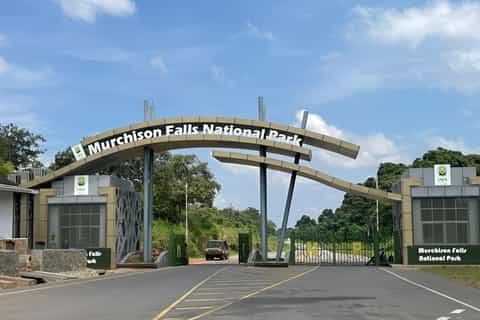
The main benefit of five days is separating the transfer from the wildlife. Most travelers from the Kampala or Entebbe area reach the park from the south, and the Murchison Falls Safaris Uganda media kit names Kichumbanyobo Gate, reached via Masindi, as the main southern access gate. Day one is then about getting there, settling into your lodge and perhaps taking a short orientation drive near camp as the light fades. Nothing else is asked of that day.
Days two and three are where the trip changes. With no transfer hanging over them, you can repeat northern-bank game drives, going out at different times and covering different stretches of the river and savanna rather than cramming one afternoon drive into a crowded schedule. The same media kit lists Tangi and Wankwar as the gates in the north, with Pakuba and Bugungu airstrips for fly-in access, so it’s worth asking your operator which entry and lodge area suits your plan.
Now compare a three-day itinerary. The boat cruise, the Top of the Falls visit and the long road back to Kampala or Entebbe all end up fighting for the same afternoon, and something gets cut or hurried. The park is large, too: the National Forestry Authority describes Uganda’s largest and oldest conservation area, covering 3,840 square kilometres with 76 mammal species and 451 bird species. That scale rewards slower pacing.
A workable shape looks like this: arrival on day one, game drives and the river on days two and three, a forest day on day four or five, and the return transfer on the last day. Ask any operator offering private Uganda safaris to show you exactly where the driving falls, because that is the clearest sign of whether a plan is realistic. Good Uganda safari itineraries make the driving days obvious rather than hiding them.
Northern-Bank Game Drives and the Nile Launch Cruise
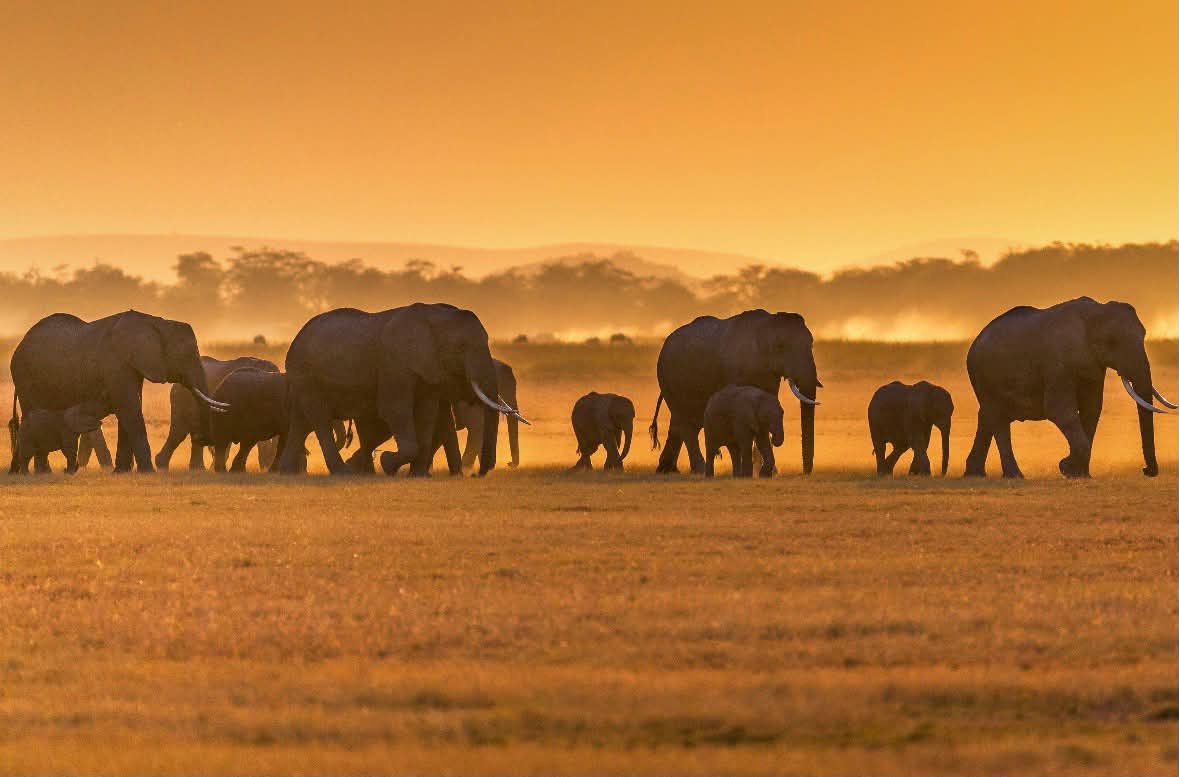
Start a middle day with an early game drive on the northern bank. The National Forestry Authority notes that elephants, giraffes and buffaloes regularly visit the riverbanks, so a morning along the water gives you a good chance of seeing them before the heat builds. Drive at an unhurried pace, stop for photographs, and you still have the rest of the day free.
The launch is the natural next step. The same authority says trips normally depart at 9:00 a.m. And 2:00 p.m., which gives you two ways to arrange the day. You can drive first and take the afternoon boat, or take the morning boat and keep the later hours for a second drive. Either way, the two activities sit side by side instead of competing.
Allow for the cruise length. The Uganda Wildlife Authority park information PDF describes the return voyage from Paraa upriver toward the falls as approximately 3 hours, and it says visitors may disembark for a ranger-escorted walk toward the Top of the Falls. Treat it as a substantial half-day outing, not a quick photo stop. A 9:00 a.m. Departure should leave you back in time for lunch, and a 2:00 p.m. Departure fills most of the afternoon.
What makes the cruise different from open-savanna viewing is who lives on the river. Hippos, Nile crocodiles and aquatic birds are permanent residents, according to the National Forestry Authority, so sightings are less dependent on luck than a drive across grassland where animals move around. From the boat you watch them at water level, often close to the bank, with elephants and buffalo coming down to drink.
Spread the activities across two middle days and each gets proper attention. For example, you could do an early drive and the 2:00 p.m. Launch on day two, then a longer game drive and a relaxed afternoon on day three. That rhythm is what a three-day plan cannot offer, and it is the main reason travelers choose five days for a Murchison Falls safari.
Adding Chimpanzee Trekking in the Adjacent Budongo Forest
Chimpanzees are not found on the open savanna, so this day happens in a different habitat. The Uganda Wildlife Authority says chimpanzee tracking and habituation experiences take place all year round, and a UWA procurement document lists chimp tracking in the neighbouring forests at Kaniyo Pabidi and Busingiro among the area’s activities, alongside forest activities in the nearby Budongo Forest.
The habituation experience is a long one, because tourists spend the whole day with the chimpanzees during the process. Plan an early start and keep the rest of that day clear. That’s why day four or five suits it: the game drives and the boat trip are already done, so nothing is pushed aside.
Season matters here. UWA describes the rainy season as the best time to track chimpanzees, although conditions can be muddy. If you travel then, expect slippery trails and plan your transfers with some slack, since a muddy morning can leave you tired for a long drive afterward. The procurement document also shows how wide the area’s menu is, from balloon safaris and sport fishing to nature walks and camping-based visits, so you can swap in extras if you have spare time.
The contrast between habitats is the point. Along the riverbank and across the savanna you scan open ground for large animals from a vehicle or boat. In the forest you walk on foot beneath the canopy, listening for calls and following your guide, with a very different pace and sense of closeness. Experiencing both on one trip is hard to achieve in three days, and it’s where private Uganda safaris can shape the route around your fitness, interests and budget. At Sankofa Afrika Safaris, we build tailor-made packages across Uganda, so you can ask us to place the forest day where your plan has the most room.
Confirming Fees, Seasons and What to Pack
Fees change, so treat the figures below as items to confirm against the latest Uganda Wildlife Authority schedule before you pay. The Murchison Falls Safaris Uganda media kit lists US$45 per person per 24 hours for foreign non-resident adults, and it gives about US$30 for the upstream trip to the falls. Ask your operator whether each is included in your quote or sold separately, and don’t assume either way.
Knowing where the money goes can help. The UWA park information PDF states that 20% of all park fees are shared with communities in park-boundary parishes. Your entry payment therefore supports the people living beside the park.
Packing follows the three kinds of day. For open-vehicle game drives, bring layers for cool mornings, sun protection and binoculars. For the boat, carry a hat, water and a way to keep your camera dry. For the forest, wear sturdy closed shoes with good grip, because trails can be muddy in the rainy season, as UWA notes, and long sleeves are sensible for walking among vegetation.
Before booking, work through this checklist:
- Current entry fee for your category and the number of 24-hour periods you will pay for
- Boat price and whether it is bundled into your package
- Launch departure time you want, 9:00 a.m. Or 2:00 p.m.
- Chimpanzee activity fee and which forest site you will visit
- Which dates fall in the rainy season, and what your footwear plan is
Written confirmation of each line stops surprises at the gate.
Frequently asked questions
How long does the drive from Kampala or Entebbe to Murchison Falls take?
Plan on a full day. The route runs through Masindi to Kichumbanyobo Gate, the main southern gate named in the Murchison Falls Safaris Uganda media kit. That is why a five-day itinerary uses day one mainly for arrival, leaving the wildlife activities for the days that follow.
Can chimpanzee trekking be added to a Murchison Falls safari?
Yes. The Uganda Wildlife Authority lists chimp tracking in the neighbouring forests at Kaniyo Pabidi and Busingiro, near Budongo Forest. Because habituation takes the whole day, it fits best on the final days, after the savanna drives and boat trip, so it doesn’t overlap with them.
What wildlife is most likely on the Nile boat cruise?
Hippos, Nile crocodiles and aquatic birds are permanent residents along the river, according to the National Forestry Authority. Elephants, giraffes and buffaloes also regularly visit the banks, so you may see them while cruising. Resident species make sightings more dependable than on open grassland.
Which season works best for both game drives and chimpanzee trekking?
The Uganda Wildlife Authority describes the rainy season as the best time to track chimpanzees, though conditions can be muddy. The same authority says tracking runs all year. Game drives along the northern bank can be planned in any month, so bring suitable footwear if you travel in the rains.
What park fees and boat costs should travelers confirm before booking?
The Murchison Falls Safaris Uganda media kit lists US$45 per person per 24 hours for foreign non-resident adults and about US$30 for the upstream trip to the falls. Confirm both against the current Uganda Wildlife Authority tariff, along with any chimpanzee activity fee, before you pay.
Crafting Your Ideal Murchison Falls Experience
Five days give first-time visitors the breathing room to enjoy both the open savanna and the adjacent forest without constant rushing, provided they confirm current fees and departure times directly with the park authority before booking. If you’d like help shaping the route, Sankofa Afrika Safaris can build a tailor-made Uganda itinerary around your dates and interests.