
Is Uganda Safe for Tourists and International Travellers? A Complete Travel Safety Guide
Introduction: Is Uganda Safe for Tourists and International Travellers?
One of the most common questions people ask before planning an African holiday is: Is Uganda safe for tourists and international travellers?
For many visitors planning their first trip to East Africa, safety is naturally a major consideration. Travellers want to know whether they can explore national parks, go gorilla trekking, visit local communities, enjoy wildlife safaris and experience Uganda’s beautiful landscapes without unnecessary concerns.
The good news is that Uganda offers a remarkable range of tourism experiences, supported by welcoming communities, professional tourism guides, protected conservation areas and an established tourism industry.
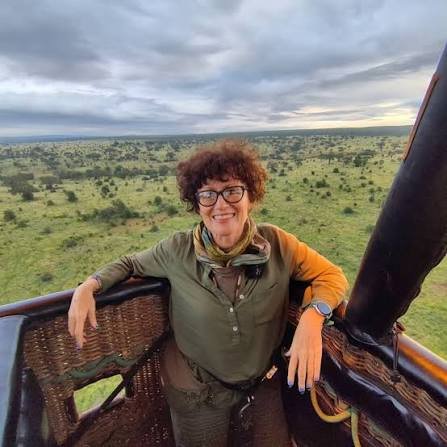
Known as the Pearl of Africa, Uganda is home to mountain gorillas, chimpanzees, elephants, tree-climbing lions, the famous River Nile, beautiful lakes, waterfalls and diverse cultures. It is a destination where visitors can experience extraordinary wildlife and authentic African hospitality.
However, responsible travel information must be honest. Uganda, like other destinations around the world, has security, road safety and health considerations. Some border areas have additional security risks, and international governments periodically update their travel advice.
At Sankofa Afrika Safaris, we believe these considerations should not prevent travellers from discovering Uganda. Instead, visitors should receive accurate information, plan their itineraries carefully and travel with an experienced local operator who understands the country.
Our message to international travellers is simple: Uganda has extraordinary tourism experiences to offer. With informed planning, appropriate precautions and reliable local support, you can explore its attractions with greater confidence.
1. Is Uganda Generally Safe for International Tourists?
Uganda welcomes international visitors who travel for wildlife experiences, adventure, cultural exploration, business and leisure.
The country’s tourism industry includes national parks, licensed accommodation providers, professional safari guides, conservation organisations and tour operators who help visitors organise their journeys.
Popular tourist experiences include:
- Mountain gorilla trekking in Bwindi Impenetrable National Park.
- Chimpanzee tracking in Kibale Forest National Park.
- Wildlife game drives in Murchison Falls National Park.
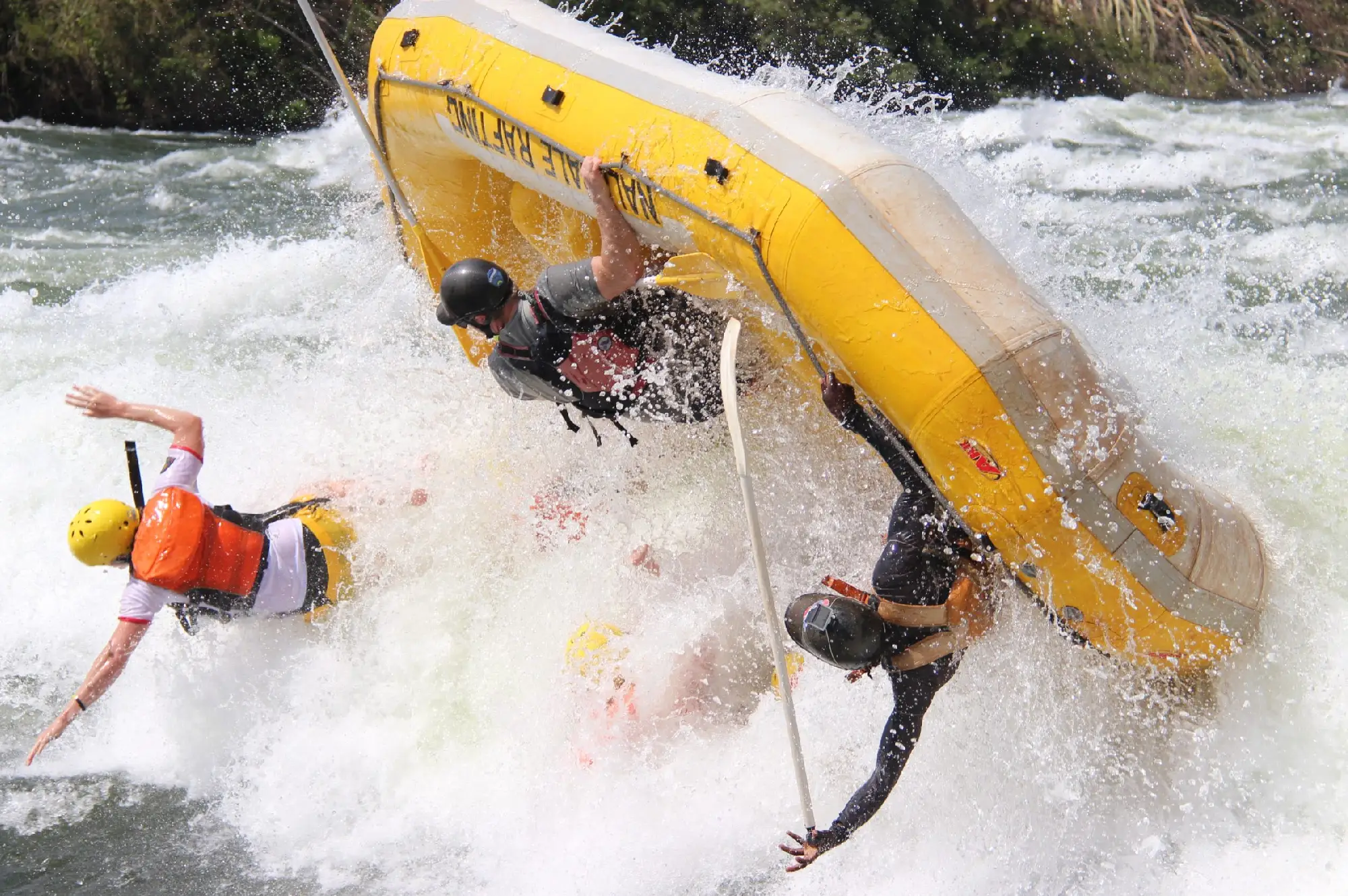
- Boat cruises along the Nile and Kazinga Channel.
- Birdwatching and shoebill tracking.
- Cultural experiences with local communities.
- Hiking and adventure activities around Mount Elgon and the Rwenzori Mountains.
Many travellers choose guided safaris because they provide organised transportation, accommodation arrangements, local knowledge and assistance throughout the journey.
Nevertheless, tourists should not assume that every location has the same security conditions. Areas near the Democratic Republic of Congo and South Sudan borders, for example, have additional security considerations.
Before travelling, visitors should consult their own government’s latest travel advice and confirm that their proposed route is appropriate.
Useful resources:
- Uganda Tourism Board
- Uganda Ministry of Tourism, Wildlife and Antiquities
- Uganda Travel Advice – UK Government
- Uganda Travel Advisory – US Department of State
2. Uganda’s Security Situation: What Should Tourists Know?
Security is an important consideration when travelling to any international destination.
Uganda has security services responsible for maintaining public order, protecting people and securing important locations. Visitors should still remain alert, avoid demonstrations and follow instructions from local authorities.
International travel advisories identify several risks that visitors should understand:
Petty theft and opportunistic crime
Like many destinations, Uganda experiences incidents of pickpocketing, phone snatching and theft of personal belongings.
Tourists can reduce these risks by:
- Keeping mobile phones and cameras secure in crowded places.
- Avoiding displaying expensive jewellery and large amounts of cash.
- Using hotel safes where available.
- Keeping vehicle doors locked in towns.
- Avoiding isolated places after dark.
- Using reputable transport providers.
- Keeping passports and important documents secure.
These are sensible precautions for international travel generally, not just Uganda.
Demonstrations and political gatherings
Political demonstrations and large public gatherings can develop unpredictably.
Tourists should avoid political rallies, demonstrations and areas experiencing unrest. If a demonstration occurs near their accommodation or planned route, they should follow local guidance and contact their tour operator.
Visitors should also monitor official travel advisories, particularly during politically sensitive periods.
Border security considerations
Uganda shares borders with the Democratic Republic of Congo, South Sudan, Kenya, Rwanda and Tanzania.
Some border regions experience security challenges connected to conflicts and instability in neighbouring areas.
This is particularly important when planning visits to destinations close to the DRC border or areas where official advisories identify specific restrictions.
Travellers should not assume that every national park or border region has identical conditions. A responsible tour operator should review the proposed route against current government advice before confirming travel arrangements.
For the latest information, consult the UK Government’s Uganda safety and security guidance.
3. Is Uganda Safe for Gorilla Trekking?
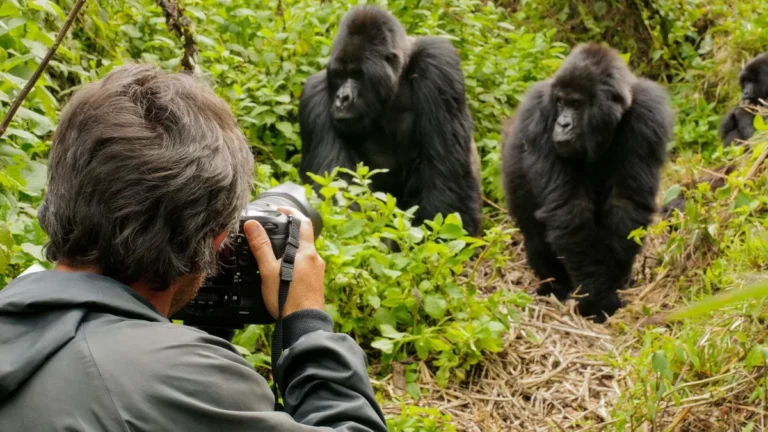
Gorilla trekking is one of the most extraordinary wildlife experiences available in Africa.
Uganda is internationally recognised for its mountain gorilla population, particularly in Bwindi Impenetrable National Park and Mgahinga Gorilla National Park.
Visitors travel from around the world to experience these endangered primates in their natural forest habitat.
But is gorilla trekking safe?
Gorilla trekking is a regulated activity conducted under the supervision of trained park personnel and guides. Visitors receive a briefing before entering the forest and are expected to follow the instructions of the rangers throughout the experience.
Important safety practices include:
- Always remain with your assigned ranger and trekking group.
- Maintain the distance instructed by park authorities.
- Never attempt to touch, feed or provoke a gorilla.
- Avoid loud noises and sudden movements.
- Follow instructions when a gorilla approaches.
- Do not trek when you are unwell with symptoms that could expose gorillas to human infections.
- Wear appropriate hiking boots and clothing.
- Inform your guide of any medical or mobility concerns before the trek.
Gorillas are wild animals, and their behaviour cannot be guaranteed. However, following the established rules and the guidance of park authorities helps reduce risks to visitors and wildlife.
At Sankofa Afrika Safaris, we assist visitors with gorilla trekking arrangements, permit planning, transport and accommodation.
Explore our Uganda Gorilla Trekking and Safari Experiences.
4. Is Uganda Safe for Wildlife Safaris?
Uganda offers several remarkable national parks where visitors can enjoy wildlife viewing.
From elephants crossing the savannah to lions resting beneath trees, the country offers an extraordinary safari experience.
Some of the popular destinations include:
Murchison Falls National Park
Murchison Falls National Park is famous for its powerful waterfall, diverse wildlife and spectacular boat cruises along the Nile.
Visitors may encounter elephants, giraffes, buffaloes, hippos, crocodiles and several bird species.
Game drives and boat cruises should be conducted with professional guides and according to park regulations.
Discover our Murchison Falls Wildlife and Rhino Trekking Safari.
Queen Elizabeth National Park
Queen Elizabeth National Park is one of Uganda’s most recognised wildlife destinations.
It is known for elephants, buffaloes, hippos, numerous bird species and the famous tree-climbing lions of the Ishasha sector.
The Kazinga Channel boat cruise provides visitors with opportunities to observe wildlife along the water.
However, visitors should pay particular attention to current security advice when considering western Uganda. The park has previously experienced a serious security incident, and its location near the DRC border makes current route-specific advice especially important.
Do not rely on old travel blogs or general claims that a park is safe. Confirm current conditions with official authorities and your tour operator before departure.
Kibale Forest National Park
Kibale Forest is one of Uganda’s most famous destinations for chimpanzee tracking.
Visitors can participate in guided forest walks to observe chimpanzees and other primates.
Tourists must follow the instructions of park guides, maintain appropriate distances from wildlife and comply with health requirements.
Bwindi Impenetrable National Park
Bwindi is famous for mountain gorilla trekking and its exceptional biodiversity.
The forest also offers opportunities for birdwatching, nature walks and community-based cultural experiences.
Because parts of southwestern Uganda are close to the DRC border, visitors should check current travel advice and confirm that their selected route and activities are appropriate.
5. Is Uganda Safe for Female Travellers and Solo Tourists?
Uganda receives visitors travelling alone, in couples, with families and in organised groups.
Female travellers and solo visitors can enjoy Uganda’s tourism experiences, but it is important to take sensible precautions.
We recommend:
- Booking accommodation with appropriate security arrangements.
- Using trusted transport providers.
- Avoiding walking alone in unfamiliar areas late at night.
- Sharing your itinerary with someone you trust.
- Keeping emergency contact information accessible.
- Being cautious when accepting invitations or drinks from strangers.
- Booking guided activities through reputable operators.
Solo travellers may also benefit from private safari arrangements or joining small groups, depending on their preferences and budget.
At Sankofa Afrika Safaris, we can help organise private and tailor-made trips for individuals, couples and groups.
6. Is Uganda Safe for Families Travelling with Children?
Uganda can offer wonderful experiences for families interested in nature, wildlife and cultural discovery.
Children can enjoy wildlife viewing, boat cruises, birdwatching, community experiences and visits to selected conservation attractions.
However, parents should carefully select activities according to their children’s ages.
For example, mountain gorilla trekking has a minimum age requirement of 15 years under Uganda’s current park regulations. Some other activities also have age or health restrictions.
Families should consider:
- Comfortable accommodation suitable for children.
- Reasonable driving distances between destinations.
- Age-appropriate safari activities.
- Access to medical assistance.
- Child-friendly meals and rest arrangements.
- Appropriate travel insurance.
We encourage families to discuss their children’s ages and interests with their tour operator before booking.
7. Is Uganda Safe from Ebola and Other Health Risks?
Health is another important concern for travellers planning a visit to Uganda.
Uganda has experience responding to infectious disease outbreaks and has public health institutions responsible for disease surveillance, screening and emergency response.
Understanding the 2026 Ebola situation
Uganda experienced a Bundibugyo virus disease outbreak in May 2026. The Ministry of Health declared the outbreak over on 28 July 2026.
The World Health Organization subsequently confirmed the end of the outbreak in Uganda following the required period without new confirmed cases.
In its statement of 25 October 2026, Uganda’s Ministry of Health reported that the country had not recorded another confirmed case since the outbreak was declared over.
However, the Ministry also emphasised that regional vigilance remains necessary because transmission has continued in neighbouring Democratic Republic of Congo.
The government has maintained screening, surveillance and preparedness measures, particularly at points of entry and in areas considered more vulnerable to cross-border transmission.
This distinction is important: the 2026 Ebola outbreak in Uganda was declared over, but the wider regional health situation still requires monitoring.
Travellers should check the latest updates before departure rather than relying on outdated information or social media rumours.
Read the official updates:
- Uganda Ministry of Health – Uganda Is Officially Ebola Free
- Uganda Ministry of Health – Latest Press Statements
- World Health Organization – 2026 Ebola Disease Outbreak Updates
Other health precautions
Visitors should also seek advice from a qualified travel health professional before travelling.
Depending on their itinerary and medical circumstances, they may need advice about:
- Yellow fever vaccination and entry requirements.
- Malaria prevention.
- Routine vaccinations.
- Food and water hygiene.
- Insect protection.
- Personal medication and medical insurance.
Yellow fever vaccination requirements can depend on a traveller’s origin and transit history, so check the latest official entry rules.
For additional guidance, visit the CDC Travelers’ Health Uganda page.
8. Is It Safe to Drive Around Uganda?
Uganda’s landscapes are beautiful, but road safety deserves serious attention.
Safari journeys can involve long distances, rural roads, changing weather and uneven tracks inside national parks.
Some roads become difficult during periods of heavy rainfall.
International travellers unfamiliar with local driving conditions should consider using an experienced safari driver-guide rather than driving themselves.
A professional safari operator can help with:
- Selecting appropriate routes.
- Planning realistic driving schedules.
- Using suitable four-wheel-drive vehicles where needed.
- Avoiding unnecessary night driving.
- Arranging airport transfers.
- Coordinating accommodation and park activities.
We strongly recommend avoiding unnecessary road travel after dark, particularly on unfamiliar highways and rural routes.
For official road safety information, consult the US Department of State’s Uganda travel guidance.
9. Why Booking with a Local Tour Operator Makes Your Uganda Trip Easier
Planning an international safari involves more than choosing a national park.
Travellers need to consider transport, accommodation, permits, park fees, travel insurance, road conditions, activity requirements and local regulations.
This is where an experienced local tour operator becomes valuable.
At Sankofa Afrika Safaris, we understand the importance of helping international visitors plan their trips with clear information and practical local support.
We are an East African tour operator offering tailor-made safari experiences across Uganda, Tanzania, Kenya, Rwanda and Burundi.
Our approach is built around local knowledge, personalised itineraries and meaningful travel experiences.
What Sankofa Afrika Safaris offers
1. Experienced local safari guides
Our safari experiences are supported by local guides who understand Uganda’s wildlife, landscapes, cultures and tourism destinations.
2. Tailor-made safari itineraries
We help visitors select destinations and activities based on their interests, travel dates, available time and budget.
3. Gorilla trekking arrangements
We assist with gorilla trekking permit arrangements, accommodation, transport and itinerary planning.
4. Organised transport
We arrange safari transport suited to the journey, including suitable four-wheel-drive vehicles for many national park routes.
5. Accommodation planning
We help visitors select accommodation according to their preferences, budget and itinerary.
6. Local assistance and communication
Having a local team helps visitors communicate with people familiar with the destinations and practical arrangements involved in their safari.
7. Responsible tourism and community support
We believe tourism should contribute positively to the communities and conservation landscapes that make East Africa special.
You can learn more about our company through our About Sankofa Afrika Safaris page.
10. What Precautions Should Tourists Take Before Visiting Uganda?
A successful holiday begins with good preparation.
We recommend that international travellers consider the following checklist before travelling.
Before departure
- Check your government’s latest Uganda travel advisory.
- Confirm passport validity and visa requirements.
- Consult a travel health professional.
- Obtain suitable travel and medical insurance.
- Share your itinerary with family or friends.
- Confirm your accommodation and airport transfers.
- Discuss current route conditions with your tour operator.
During your visit
- Keep your valuables secure.
- Use reliable transport.
- Avoid demonstrations and large political gatherings.
- Follow park regulations and your guide’s instructions.
- Avoid unnecessary night driving.
- Respect local laws and cultural customs.
- Keep emergency contact details accessible.
- Follow public health instructions and screening requirements.
Emergency information
Travellers should know how to contact local emergency services.
The US Department of State’s Uganda guidance lists the following numbers:
- Police: 999
- Ambulance: 911
- Fire: 112
Numbers and emergency arrangements can vary by service and location, so visitors should also ask their accommodation and tour operator for appropriate local contacts.
11. Is Uganda Worth Visiting Despite Travel Safety Concerns?
Absolutely, Uganda offers a diversity of experiences that make it a remarkable destination for people interested in nature, wildlife, culture and adventure.
The country is home to extraordinary attractions, including:
- Mountain gorillas in Bwindi Impenetrable National Park.
- Chimpanzees in Kibale Forest.
- The spectacular Murchison Falls.
- The source of the River Nile in Jinja.
- Tree-climbing lions in Queen Elizabeth National Park.
- The beautiful islands of Lake Bunyonyi.
- The rare shoebill stork in Uganda’s wetlands.
- The snow-capped peaks and landscapes of the Rwenzori Mountains.
Uganda also offers meaningful cultural experiences, including traditional music, food, community visits, local crafts and opportunities to learn about the country’s diverse heritage.
For visitors seeking an African holiday that combines wildlife, adventure and culture, Uganda has a great deal to offer.
The important thing is to plan responsibly, choose appropriate destinations and remain informed about current conditions.
Explore our Uganda safari packages to discover some of the experiences available.
12. Frequently Asked Questions About Safety in Uganda
Is Uganda safe for American tourists?
American visitors should review the latest US Department of State travel advisory before departure. Security conditions and official recommendations can change, and some regions have additional restrictions or warnings. Travellers should plan their routes carefully and use reliable local transport and tour support.
Is Uganda safe for British tourists?
British visitors should consult the UK Foreign, Commonwealth and Development Office’s Uganda travel advice. It provides current information about security, crime, demonstrations, health and regional risks.
Is Kampala safe for tourists?
Kampala is a busy capital city with hotels, restaurants, markets, businesses and tourism services. Visitors should use reputable transport, secure their belongings, avoid isolated areas after dark and stay away from demonstrations.
Is Bwindi safe for gorilla trekking?
Gorilla trekking is a regulated activity led by park personnel and guides. Visitors should follow ranger instructions and confirm current security and route advice before travelling to the park.
Is Uganda safe for solo female travellers?
Women travel independently and in organised groups in Uganda. Solo female visitors should take sensible precautions, choose reputable accommodation and transport, and consider guided travel when exploring unfamiliar destinations.
Is Uganda safe from Ebola in 2026?
Uganda declared its 2026 Bundibugyo virus disease outbreak over on 28 July 2026. The Ministry of Health reported on 25 October that there had been no further confirmed cases in Uganda since the outbreak ended. However, regional transmission in the DRC means that travellers should continue to monitor official health updates.
Can tourists visit Uganda’s national parks?
Uganda’s national parks are major tourism destinations. However, visitors should not assume all parks and routes have identical security conditions. Check the latest government advice and confirm the proposed itinerary with a knowledgeable tour operator.
Should I book a safari with a local tour operator?
Booking with a reputable local operator can make safari planning easier by helping coordinate accommodation, transport, permits, guides and activities. It also gives visitors access to local knowledge and assistance during their journey.
Conclusion: Discover the Beauty of Uganda with Sankofa Afrika Safaris
Uganda is a country of extraordinary natural beauty, rich cultural heritage and unforgettable wildlife experiences.
From the mist-covered forests of Bwindi to the mighty River Nile, from the wildlife-rich savannahs of Murchison Falls to the peaceful shores of Lake Bunyonyi, Uganda offers visitors opportunities to experience Africa in a truly special way.
We understand that safety is one of the most important considerations when choosing an international holiday destination. We also understand that travellers deserve accurate information rather than exaggerated promises.
That is why we encourage visitors to stay informed, follow official travel advice, take sensible precautions and work with experienced local tourism professionals.
At Sankofa Afrika Safaris, we are passionate about showcasing the best of East Africa while helping our guests plan thoughtful, personalised and well-organised journeys.
Whether you dream of seeing mountain gorillas, tracking chimpanzees, exploring Uganda’s national parks, photographing rare birds or experiencing local cultures, our team is ready to help you plan your adventure.
Do not let uncertainty prevent you from discovering the Pearl of Africa. Get informed, plan responsibly and let us help you experience Uganda.
Book Your Uganda Safari with Sankofa Afrika Safaris
Let us help you design a journey that matches your interests, travel dates and budget.
Sankofa Afrika Safaris
Website: https://sankofafrikatours.com/
Email: info@sankofafrikatours.com
WhatsApp: +256 751 953 025
Explore Uganda Safari Packages
Contact Our Safari Planning Team
Sankofa Afrika Safaris – Discover East Africa. Experience Africa. Make a Difference.