
Where Can You Feed Wildlife in Uganda? Best Places for Animal Feeding and Close-Up Wildlife Experiences
Uganda is one of Africa’s most rewarding wildlife destinations, offering visitors opportunities to encounter fascinating animals, explore protected natural habitats and learn about wildlife conservation. From rescued chimpanzees on Lake Victoria to giraffes, elephants, lions and other native species at wildlife education centres, the country offers memorable experiences for nature lovers, families, photographers and international travellers.
One question many visitors ask when planning a Uganda holiday is: Where can I feed wildlife in Uganda?
The answer depends on the destination, the animal species and the type of experience available. Some facilities organise supervised animal-care and feeding experiences, while others allow visitors to watch professional wildlife caretakers feed animals in protected environments. In national parks and natural habitats, feeding wild animals is generally discouraged because it can interfere with their natural behaviour and survival.
At Sankofa Afrika Safaris, we help visitors organise educational and responsible wildlife experiences in Uganda. Whether you want to visit the Uganda Wildlife Conservation Education Centre in Entebbe, observe chimpanzee feeding sessions at Ngamba Island or combine wildlife encounters with a wider Ugandan safari, our team can help plan your journey.
In this guide, we explore the best places to experience wildlife feeding in Uganda, what visitors should expect, how to plan a visit and why responsible wildlife tourism is important.
1. Uganda Wildlife Conservation Education Centre (UWEC) – Entebbe
Best for: Wildlife education, animal encounters, families and supervised wildlife experiences.
The Uganda Wildlife Conservation Education Centre (UWEC), popularly known as Entebbe Zoo, is one of the most accessible places to learn about Uganda’s wildlife.
Located in Entebbe, on the shores of Lake Victoria, the centre provides visitors with opportunities to see different wildlife species, understand their behaviour and learn about the importance of protecting Uganda’s natural heritage.
UWEC was established to provide care for rescued, injured and confiscated wild animals. Today, it combines wildlife education, conservation awareness, animal rescue and visitor experiences.
What animals can you see at UWEC?
Depending on the animals in the centre’s care and the current visitor programme, you may encounter:
- African elephants
- Giraffes
- Lions
- Chimpanzees
- Zebras
- Buffaloes
- Various monkey species
- Crocodiles
- Different bird species
The centre provides an opportunity to learn about how these animals live, eat, move and interact with their environments.
Can visitors feed animals at UWEC?
UWEC is one of the places to enquire about supervised wildlife feeding and behind-the-scenes experiences.
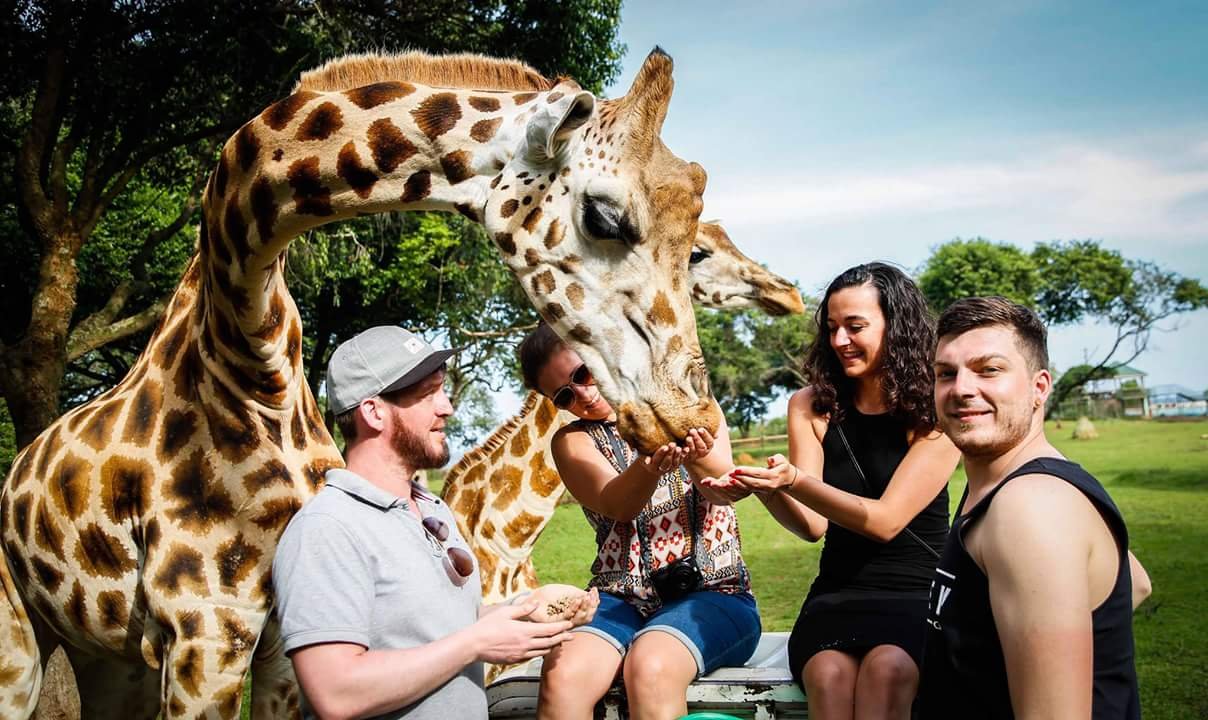
Some specially organised programmes advertised by tourism operators have included opportunities such as supervised giraffe feeding, subject to the centre’s approval and animal-welfare requirements.
However, visitors should not assume that every animal can be fed or that feeding is available during every visit. The availability of activities depends on the centre’s current programme, animal health, staff supervision and conservation policies.
Visitors should never carry their own food to feed the animals.
What makes UWEC special?
Beyond the opportunity to observe wildlife, UWEC is an educational destination. Visitors can learn about:
- Wildlife rescue and rehabilitation.
- The importance of protecting endangered species.
- Animal diets and feeding routines.
- Veterinary care and animal welfare.
- The role of conservation education in protecting Uganda’s biodiversity.
For families travelling with children, the centre provides an excellent introduction to wildlife conservation.
Official visitor information: Uganda Wildlife Conservation Education Centre
Plan your visit: UWEC Day Visits
Organise your visit with Sankofa: Sankofa Afrika Safaris
2. Ngamba Island Chimpanzee Sanctuary – Lake Victoria
Best for: Chimpanzee feeding sessions, primate conservation and educational wildlife experiences.
One of Uganda’s most distinctive wildlife experiences is visiting Ngamba Island Chimpanzee Sanctuary.
Located approximately 23 kilometres southeast of Entebbe on Lake Victoria, Ngamba Island is home to rescued and orphaned chimpanzees that cannot safely return to the wild.
The sanctuary is managed by the Chimpanzee Sanctuary and Wildlife Conservation Trust, an organisation dedicated to chimpanzee welfare, conservation, environmental education and habitat protection.
For visitors interested in wildlife feeding experiences, Ngamba Island is particularly interesting because guests can observe scheduled chimpanzee feeding sessions.
What happens during chimpanzee feeding?
Chimpanzees are among the most intelligent and socially complex animals in the world. Their feeding routines provide an opportunity to observe their behaviour, communication and social relationships.
During a visit, guests can learn about:
- The chimpanzees’ daily feeding routines.
- Their social hierarchy and group interactions.
- Their preferred foods and nutritional requirements.
- How rescued chimpanzees are cared for.
- The importance of protecting wild chimpanzee populations.
The sanctuary advertises scheduled feeding and viewing sessions at:
- 7:30 AM
- 11:00 AM
- 2:30 PM
- 6:30 PM
Schedules and visitor access should be confirmed with the sanctuary before travelling.
Can tourists personally feed chimpanzees?
It is important to understand that Ngamba Island’s advertised feeding experience is primarily an opportunity to observe the chimpanzees during their scheduled feeding sessions from a designated visitor viewing platform.
Visitors should not assume that they will personally hand-feed or physically interact with the chimpanzees. The sanctuary’s staff control feeding activities to protect the animals and visitors.
This is particularly important because chimpanzees are powerful wild primates with complex social and behavioural needs.
How do you reach Ngamba Island?
Visitors travel from Entebbe by boat across Lake Victoria.
The sanctuary’s visitor information describes two main transport options:
- Speedboat: approximately 45–50 minutes.
- Traditional motorised canoe: approximately 90 minutes.
Boat schedules, weather conditions and availability should be confirmed before departure.
Why visit Ngamba Island?
Ngamba Island is more than a wildlife attraction. It offers an opportunity to understand the consequences of wildlife trafficking, habitat destruction and human-wildlife conflict.
The sanctuary also supports environmental education and wider chimpanzee conservation efforts.
Official website: Chimpanzee Sanctuary and Wildlife Conservation Trust
Visitor information: Plan a visit to Ngamba Island
Virtual experience: Explore Ngamba Island
Sankofa Afrika Safaris can organise a Ngamba Island excursion, including transport arrangements from Entebbe, coordination of the visit and integration with other Uganda safari experiences.
3. Other Places to Experience Wildlife Up Close in Uganda
Not every wildlife destination in Uganda offers personal animal-feeding opportunities. However, several destinations provide excellent opportunities to observe animals feeding naturally, learn about their behaviour and experience wildlife in protected environments.
These experiences are especially suitable for travellers who want to understand wildlife beyond conventional game drives.
A. Lake Mburo National Park – Natural Giraffe and Zebra Encounters
Best for: Giraffes, zebras, impalas, buffaloes and nature-based wildlife experiences.
Lake Mburo National Park is one of Uganda’s most accessible savannah national parks.
Located in western Uganda, between Kampala and the southwestern safari circuit, the park is famous for its beautiful landscapes, open grasslands, acacia woodland and diverse wildlife.
Visitors can encounter:
- Rothschild’s giraffes.
- Plains zebras.
- Impalas.
- Elands.
- Buffaloes.
- Warthogs.
- Hippos.
- Numerous bird species.
One of the most rewarding experiences is observing giraffes browsing on trees and zebras grazing naturally in the grasslands.
Visitors should not feed these animals. The best way to appreciate them is through guided game drives, walking safaris and other approved activities.
Learn more: Uganda Wildlife Authority
B. Murchison Falls National Park – Wildlife Feeding in the Natural Environment
Best for: Elephants, giraffes, buffaloes, antelopes and birdlife.
Murchison Falls National Park is Uganda’s largest national park and one of the country’s leading safari destinations.
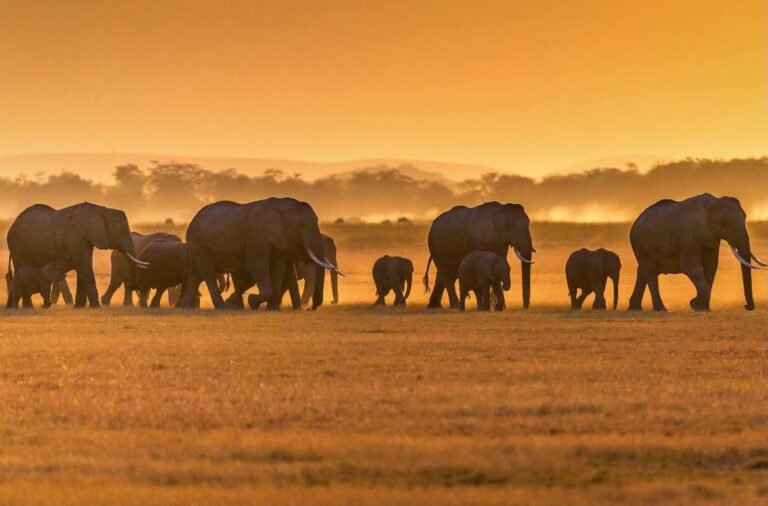
The park is home to elephants, giraffes, lions, leopards, buffaloes, Uganda kobs and many other wildlife species.
A game drive across the savannah provides opportunities to observe animals grazing, browsing, hunting and interacting in their natural habitats.
The Nile River boat safari is another excellent activity. Visitors can see hippos, crocodiles, elephants and numerous birds along the riverbanks.
Although visitors cannot feed wild animals in the park, observing their natural feeding behaviour provides a more authentic understanding of wildlife ecology.
Explore: Sankofa Uganda Safaris
C. Kibale Forest National Park – Chimpanzee Feeding Behaviour
Best for: Chimpanzees, primate research and forest wildlife observation.
Kibale Forest National Park is one of Africa’s important destinations for primate experiences.
The forest is famous for its chimpanzee population and other primates, including red colobus monkeys, L’Hoest’s monkeys and grey-cheeked mangabeys.
Chimpanzee tracking allows visitors to enter the forest with trained guides and observe chimpanzees in their natural habitat.
Visitors may witness chimpanzees:
- Searching for fruit.
- Feeding on wild vegetation.
- Grooming one another.
- Communicating through calls.
- Moving through the forest canopy.
- Interacting within their social groups.
This is not a hand-feeding activity. Visitors must follow the rules set by the wildlife authorities and maintain the required distance from the chimpanzees.
Official information: Uganda Wildlife Authority
D. Bwindi Impenetrable National Park – Mountain Gorilla Conservation
Best for: Mountain gorilla trekking and responsible primate tourism.
Bwindi Impenetrable National Park is internationally recognised for its mountain gorilla population.
Visitors travel through dense tropical forest with trained guides to locate habituated gorilla families.
A gorilla trekking experience is an opportunity to observe these endangered primates in their natural environment.
Visitors may see gorillas:
- Feeding on leaves and vegetation.
- Resting in forest clearings.
- Grooming family members.
- Caring for their young.
- Moving through the forest.
Gorilla trekking is strictly regulated. Visitors must not feed, touch or attempt to interact physically with gorillas.
The experience is designed around conservation, responsible viewing and minimising disturbance to the animals.
For travellers interested in combining wildlife education with gorilla trekking, Sankofa Afrika Safaris can arrange a tailor-made Uganda safari.
Read more: How to Get a Gorilla Permit in Uganda and Rwanda
E. Mabamba Wetland – Bird Feeding and Shoebill Observation
Best for: Shoebills, wetland birds and birdwatching.
Mabamba Wetland, located near Entebbe on the northern shores of Lake Victoria, is one of Uganda’s best-known birdwatching destinations.
The wetland is particularly famous for the shoebill, a large and distinctive bird that attracts birdwatchers and photographers from around the world.
Visitors explore the wetland in traditional motorised canoes with experienced local bird guides.
Possible sightings include:
- Shoebills.
- African jacanas.
- Malachite kingfishers.
- African fish eagles.
- Herons.
- Egrets.
- Other wetland bird species.
The shoebill is a specialised predator that feeds naturally on fish and other aquatic prey.
Visitors should not feed the shoebill or other wild birds. The purpose of the experience is to observe the birds hunting and feeding naturally.
Sankofa Afrika Safaris can organise a Mabamba shoebill excursion as part of an Entebbe wildlife experience or a wider Uganda safari.
4. Why Wildlife Feeding Experiences Are Important for Conservation Education
Wildlife feeding experiences can help visitors understand animal nutrition, behaviour, veterinary care and conservation challenges when they are organised responsibly.
At recognised conservation facilities, feeding sessions can demonstrate how rescued animals are cared for and why maintaining suitable diets is essential.
However, feeding wild animals in uncontrolled environments can create serious problems.
The dangers of feeding wild animals
Feeding wild animals with unsuitable food can cause:
1. Nutritional problems
Human food may contain excessive salt, sugar, spices or other ingredients that are harmful to wildlife.
2. Changes in natural behaviour
Animals that become accustomed to receiving food from people may lose important natural foraging behaviours.
3. Human-wildlife conflict
Animals that associate people with food may approach settlements, vehicles or tourist facilities, increasing the risk of dangerous encounters.
4. Disease transmission
Direct contact between humans and wildlife can expose both parties to infectious diseases.
5. Increased dependence on humans
Uncontrolled feeding can alter the way animals search for food and interact with their natural surroundings.
For these reasons, feeding should only happen through officially approved and supervised conservation programmes.
5. What Should You Know Before Visiting a Wildlife Feeding Centre in Uganda?
Before booking a wildlife experience, it is important to understand the rules, arrangements and expectations.
Book in advance
Some conservation facilities require advance reservations, especially for special experiences, group visits and boat excursions.
Ngamba Island, for example, requires visitors to plan their trips and confirm boat arrangements.
Follow the animal-care team’s instructions
Never feed animals without permission from authorised staff.
Even seemingly harmless food can be dangerous to certain wildlife species.
Do not touch wild animals
Some animals may carry diseases, while others can become aggressive when approached.
Always maintain the distance required by the facility or wildlife guide.
Carry appropriate equipment
For a wildlife experience in Uganda, consider carrying:
- A camera or smartphone.
- Binoculars.
- Comfortable walking shoes.
- Sunscreen.
- A hat.
- Insect repellent.
- Drinking water.
- Light, comfortable clothing.
Respect photography rules
Some conservation facilities restrict flash photography, close-up photography or certain forms of interaction.
Always follow the instructions provided by the staff.
6. Best Time to Enjoy Wildlife Experiences in Uganda
Uganda can be visited throughout the year, although weather conditions may influence travel arrangements and the ease of accessing certain destinations.
The country’s two commonly recognised drier periods are:
- June to August.
- December to February.
The wetter periods generally include:
- March to May.
- September to November.
For destinations around Entebbe, such as UWEC and Ngamba Island, visitors can generally plan trips throughout the year, subject to operating schedules, weather and availability.
For national parks, dry-season conditions often make some roads and forest trails easier to navigate. However, wildlife viewing is possible throughout the year.
Travellers should consider their preferred destinations, available time and activities when selecting their travel dates.
7. Suggested Uganda Wildlife Feeding and Conservation Itinerary
Sankofa Afrika Safaris can organise a wildlife-focused itinerary that combines animal feeding observations, conservation education and other attractions around Entebbe.
Here is an example of a two-day experience.
Day 1: Uganda Wildlife Conservation Education Centre – Entebbe
Morning
- Meet your Sankofa Afrika Safaris driver-guide.
- Transfer to the Uganda Wildlife Conservation Education Centre.
- Explore the wildlife exhibits.
- Learn about animal rescue, rehabilitation and conservation.
- Enquire about any approved supervised animal-care experiences available during your visit.
Afternoon
- Enjoy lunch in Entebbe.
- Explore the Lake Victoria shoreline.
- Enjoy a relaxed afternoon before returning to your accommodation.
Day 2: Ngamba Island Chimpanzee Sanctuary
Morning
- Transfer to the departure point in Entebbe.
- Take a boat trip to Ngamba Island.
- Receive an introduction to the sanctuary and its conservation work.
- Observe the scheduled chimpanzee feeding session from the designated viewing platform.
Afternoon
- Learn about chimpanzee welfare and habitat protection.
- Enjoy the island environment.
- Return to Entebbe by boat.
This itinerary is subject to boat schedules, sanctuary availability, weather and the official visitor programme.
Want a longer wildlife adventure?
The two-day experience can be extended to include:
- Murchison Falls National Park.
- Lake Mburo National Park.
- Kibale Forest National Park.
- Bwindi Impenetrable National Park.
- Mabamba Wetland.
Explore our Uganda safari packages for more inspiration.
8. Why Book Your Uganda Wildlife Experience with Sankofa Afrika Safaris?
Planning a wildlife experience in a foreign country requires more than identifying attractive destinations. Visitors need reliable transport, suitable accommodation, knowledgeable guides, activity coordination and clear information about the rules governing each wildlife facility.
Sankofa Afrika Safaris is responsible for organising your Uganda wildlife trip, helping you connect with the right destinations and experiences according to your interests, budget and travel schedule.
Our services include:
Tailor-made wildlife itineraries
We design itineraries around your preferred wildlife experiences, whether you want a short Entebbe excursion or a longer wildlife safari across Uganda.
Transport and transfers
We organise suitable safari transportation and transfers between your accommodation, wildlife attractions and other destinations.
Accommodation arrangements
We help arrange accommodation according to your preferred comfort level and travel budget.
Professional safari guiding
Our safari experiences are supported by knowledgeable guides who help visitors understand Uganda’s wildlife, landscapes, culture and conservation efforts.
Wildlife and conservation experiences
We coordinate visits to recognised wildlife destinations, including UWEC, Ngamba Island, Mabamba Wetland and Uganda’s national parks, subject to the relevant operators’ booking conditions and availability.
Private and group experiences
Whether travelling alone, as a couple, with family or in a group, we can help organise an experience that suits your needs.
Visit our About Sankofa Afrika Safaris page to learn more about our company.
9. Frequently Asked Questions About Feeding Wildlife in Uganda
1. Where can I feed wildlife in Uganda?
The Uganda Wildlife Conservation Education Centre in Entebbe is a place to enquire about approved supervised animal-feeding experiences. Some specially organised programmes may include giraffe feeding, subject to availability and animal-welfare approval.
Ngamba Island is another important destination where visitors can observe scheduled chimpanzee feeding sessions.
2. Can tourists feed chimpanzees at Ngamba Island?
Visitors can observe chimpanzees during scheduled feeding sessions from a designated viewing platform. Personal hand-feeding or direct contact should not be assumed to be part of the standard visitor experience.
3. Can I feed giraffes in Uganda?
Visitors can enquire about supervised giraffe-feeding opportunities at the Uganda Wildlife Conservation Education Centre. These experiences are subject to the centre’s approved programme and availability.
Visitors should never attempt to feed giraffes in national parks or other natural habitats.
4. Is Entebbe Zoo suitable for children?
Yes. UWEC offers wildlife education and opportunities to observe different animal species. It can be a rewarding educational destination for families, school groups and children interested in wildlife.
5. How far is Ngamba Island from Entebbe?
Ngamba Island is approximately 23 kilometres southeast of Entebbe on Lake Victoria. The speedboat journey takes approximately 45–50 minutes, depending on conditions.
6. Can I combine Ngamba Island and Entebbe Zoo in one trip?
Yes. Both attractions are located around Entebbe, making it possible to combine them in a multi-day itinerary. However, the activities should be arranged according to their operating hours and boat schedules.
7. Is it safe to feed wild animals in Uganda?
Feeding wildlife is only appropriate where the activity is officially authorised and supervised. Visitors should never feed wild animals independently or offer them food from vehicles, roadsides or accommodation facilities.
8. Which company can organise a wildlife-feeding trip in Uganda?
Sankofa Afrika Safaris can organise Uganda wildlife excursions, including visits to UWEC and Ngamba Island, subject to the facilities’ availability and visitor requirements.
Contact our team to develop an itinerary that suits your travel plans.
10. Book Your Wildlife Feeding and Conservation Experience in Uganda
Uganda offers more than traditional wildlife safaris. It provides opportunities to understand animal behaviour, discover conservation initiatives and appreciate the work involved in protecting endangered species.
From the chimpanzee feeding sessions at Ngamba Island to the wildlife education experiences at UWEC, visitors can enjoy meaningful encounters while learning why animals need protection.
Whether you are visiting Uganda for a short holiday, travelling with children, conducting wildlife research or planning a longer East African adventure, Sankofa Afrika Safaris can help organise your experience.
Let us take care of your transportation, accommodation, guiding and activity arrangements while you discover Uganda’s remarkable wildlife.
Plan your wildlife experience with Sankofa Afrika Safaris.
Website: https://sankofafrikatours.com/
Email: info@sankofafrikatours.com
WhatsApp: +256 751 953 025
Contact us: https://sankofafrikatours.com/contact-us/
Sankofa Afrika Safaris – Discover Uganda, Experience Africa.