
Everything You Need to Know About Uganda’s Hoima City Stadium
By Sankofa Afrika Safaris
Uganda is steadily strengthening its position as one of East Africa’s most exciting destinations for sports, tourism, culture and adventure. Among the country’s most remarkable recent developments is the construction of Hoima City Stadium, a modern sporting facility located in Hoima City in the Bunyoro sub-region of western Uganda.
Designed to support Uganda’s growing sporting ambitions and preparations for the 2027 Africa Cup of Nations (AFCON), Hoima City Stadium represents much more than a football venue. It is a major investment in sports infrastructure, regional development, international tourism and the future of Ugandan athletics.
With a 20,000-seat main stadium, a multi-purpose indoor arena, a swimming pool, basketball and volleyball courts, modern player facilities and advanced security systems, the complex is among Uganda’s most significant new sports facilities.
For international travellers, football supporters, sports enthusiasts and people interested in discovering western Uganda, Hoima City Stadium is an exciting new landmark worth learning about.
At Sankofa Afrika Safaris, we believe that understanding Uganda goes beyond visiting its national parks. The country’s cities, sporting achievements, cultural heritage and modern developments are also important parts of its identity.
In this guide, we explore everything you need to know about Hoima City Stadium, including its location, history, construction, facilities, importance to AFCON 2027 and the tourism opportunities surrounding it.
1. Where Is Hoima City Stadium Located?
Hoima City Stadium is located in Hoima City, in western Uganda, within the historic Bunyoro region.
Hoima is an important commercial and administrative centre in the Bunyoro sub-region. It is also associated with Uganda’s growing oil and gas industry, making it an increasingly important destination for business, investment and infrastructure development.
The stadium’s location is strategically important because it extends major sporting infrastructure beyond Kampala and into western Uganda.
Hoima is also an interesting destination for travellers because it provides access to several attractions, including Lake Albert, Kibiro Hot Springs, Bunyoro cultural heritage sites and wildlife experiences in the wider region.
For visitors travelling from Kampala, Hoima can be reached by road. Travel time depends on the chosen route, traffic and road conditions, so travellers should plan their journey in advance.
2. What Is Hoima City Stadium?
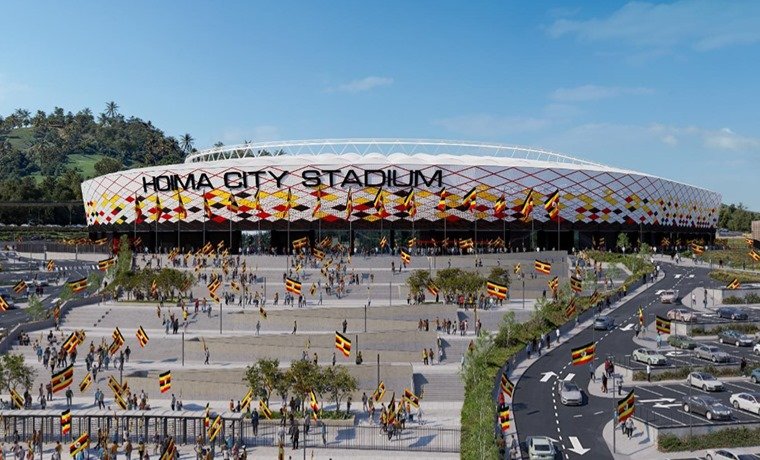
Hoima City Stadium is a modern, multi-purpose sporting complex developed by the Government of Uganda through the National Council of Sports (NCS).
The main stadium has a seating capacity of approximately 20,000 spectators. It was designed to host major football matches, athletics competitions and other sporting events.
However, the facility is not limited to football. Its wider infrastructure includes an indoor sports arena, swimming pool, training facilities, basketball and volleyball courts, VIP facilities and other supporting amenities.
The construction contract was awarded to Turkish company M/S SUMMA under an engineering, procurement and construction arrangement.
The project was designed to provide Uganda with a modern international-standard sporting venue while supporting the country’s preparations for hosting AFCON 2027 alongside Kenya and Tanzania.
According to the National Council of Sports, the stadium occupies approximately 16.8 hectares, equivalent to 168,000 square metres.
3. The History Behind Hoima City Stadium
The development of Hoima City Stadium began with a vision to establish a major sporting facility in the Bunyoro region.
One important part of its history involves the family of the late Dr James Rujumba, whose family offered land to the Federation of Uganda Football Associations (FUFA) for the development of a legacy stadium project.
The National Council of Sports records the following key milestones:
- April 2019: The family of the late Dr James Rujumba handed over 10 acres of land to FUFA for the proposed stadium project.
- October 2020: FUFA signed a memorandum of understanding with the Rujumba family concerning the proposed development.
- May 2024: The land available for the project was expanded through additional land arrangements involving FUFA and the Government of Uganda.
- 7 June 2024: The Government of Uganda signed the construction contract with M/S SUMMA.
- 1 September 2024: Construction officially commenced.
- 24 December 2025: President Yoweri Kaguta Museveni officially commissioned the stadium.
- 28 February 2026: The National Council of Sports records this as the project’s official completion date.
The stadium’s development demonstrates how cooperation between families, sports institutions, government and private construction companies can contribute to major national infrastructure projects.
4. How Much Did Hoima City Stadium Cost?
Hoima City Stadium was a major public infrastructure investment.
The National Council of Sports records the project cost at approximately USD 129 million, equivalent to around UGX 500 billion in the published project information.
The construction was funded by the Government of Uganda.
The project was intended to deliver more than a football stadium. It included several additional sports facilities and supporting infrastructure to create a wider sporting complex.
This investment is significant for the Bunyoro region because major sports facilities can attract competitions, visitors, businesses, accommodation providers and other service industries.
5. Main Facilities at Hoima City Stadium
One of the most impressive aspects of Hoima City Stadium is the range of facilities available within the complex.
A. The 20,000-Seater Main Stadium
The main stadium is designed to accommodate approximately 20,000 spectators.
It features a football pitch surrounded by an athletics running track, making it suitable for both football and track-and-field competitions.
The pitch uses hybrid grass technology, combining natural grass with a synthetic reinforcement system intended to improve surface stability and durability.
Other features include:
- Spectator seating.
- Floodlighting.
- Scoreboards.
- Player dugouts.
- Modern changing rooms.
- Media and press facilities.
- VIP and VVIP viewing areas.
These facilities make the main stadium suitable for major sporting events and international football competitions.
B. The 2,000-Seater Indoor Sports Arena
The complex also features a 2,000-seat indoor sports arena.
According to the Uganda Media Centre, the arena has fixed and retractable seating arrangements and can accommodate several indoor sporting disciplines.
These include:
- Basketball.
- Netball.
- Volleyball.
- Badminton.
- Table tennis.
- Boxing.
- Martial arts.
- Kickboxing.
The arena also includes facilities for people with disabilities and designated media areas.
This is particularly important because Uganda’s sports development should not depend exclusively on football. Indoor sporting facilities create opportunities for athletes competing in different disciplines.
C. Semi-Olympic Swimming Pool
Another important feature is the semi-Olympic swimming pool measuring approximately 25 metres by 12.5 metres.
The pool adds another sporting dimension to the complex and creates opportunities for swimming activities, training and competitions.
Swimming facilities of this standard are valuable for developing aquatic sports and improving access to organised swimming infrastructure.
D. Athletics Running Track
The main stadium includes an oval running track surrounding the football pitch.
This allows the venue to support athletics competitions, running events and other track-related sporting activities.
The inclusion of athletics infrastructure makes the stadium more versatile and creates opportunities for Ugandan athletes to train and compete in a modern environment.
E. Basketball and Volleyball Courts
The stadium complex includes two basketball courts and two volleyball courts.
These facilities support team sports and create opportunities for local clubs, schools, training programmes and sporting competitions.
F. Training Pitch
An external training facility is also part of the development.
Training facilities are important for preparing teams before matches and providing space for athletes to practise without interfering with activities taking place in the main stadium.
G. VIP, VVIP and Skybox Facilities
Hoima City Stadium includes dedicated hospitality and viewing facilities.
The National Council of Sports lists:
- One Presidential Suite.
- Twelve skyboxes.
- VIP lounges.
The Uganda Media Centre reports that the skyboxes can accommodate up to 12 people each and are served by kitchens.
These facilities are designed to support hospitality, official guests, sponsors and other invited visitors during major events.
H. Parking and Accessibility
The stadium’s infrastructure includes approximately 839 parking spaces:
- 720 open parking spaces.
- 119 covered parking spaces.
The complex also includes elevators, accessible sanitary facilities and designated spaces for visitors with disabilities.
These features are important for managing large crowds and improving access for different categories of visitors.
I. Other Supporting Facilities
Additional facilities reported by the Uganda Media Centre include:
- A cafeteria.
- A fitness centre.
- Medical facilities.
- A doping-control area.
- A TV studio.
- Wi-Fi.
- A conference and press briefing room.
- Player dressing rooms.
- Security surveillance systems.
- Public-address and emergency communication systems.
Together, these facilities make Hoima City Stadium a multi-purpose sports and events complex.
6. Hoima City Stadium and AFCON 2027
One of the biggest reasons Hoima City Stadium has attracted international attention is its connection to the 2027 Africa Cup of Nations.
AFCON 2027 will be jointly hosted by Uganda, Kenya and Tanzania, making it a historic opportunity for East African football.
For Uganda, hosting the tournament is an opportunity to welcome football supporters, international media, national teams, sponsors and visitors from across Africa and beyond.
Hoima City Stadium is among the facilities designated to support Uganda’s hosting responsibilities.
Its 20,000-seat capacity and supporting sports infrastructure make it an important part of the country’s wider preparations.
The tournament is also expected to create opportunities for several sectors, including:
- Hotels and accommodation.
- Restaurants and hospitality.
- Tour operators and travel agencies.
- Transport and car hire companies.
- Cultural tourism.
- Local businesses.
- Sports merchandising.
- Event management.
For travellers, AFCON 2027 will provide an opportunity to experience East African football while discovering the culture, landscapes and attractions of Uganda.
At Sankofa Afrika Safaris, we see this as an opportunity to encourage visitors to explore more than the football venues by combining sporting experiences with organised safari and cultural journeys.
7. Why Is Hoima City Stadium Important to Uganda?
Hoima City Stadium is important for several reasons beyond its physical structure.
Promoting Sports Development
Modern sporting facilities give athletes opportunities to train and compete in better environments.
The stadium provides infrastructure for football, athletics, swimming, basketball, volleyball and other sporting disciplines.
This can contribute to the identification and development of young talent.
Supporting Regional Development
For many years, Uganda’s major sporting infrastructure and international sporting events have been concentrated around Kampala.
The development of a modern stadium in Hoima represents an important investment in western Uganda.
It can help attract sporting events, visitors, businesses and investment to the region.
Creating Employment Opportunities
The construction project employed more than 1,000 workers.
The National Council of Sports records that 732 of these workers were Ugandan nationals.
Beyond construction, the stadium can support employment opportunities in hospitality, event management, cleaning, security, transport, catering and other related services.
Promoting Uganda Internationally
Hosting major international sporting events allows Uganda to showcase its infrastructure, hospitality, culture and tourism attractions to a wider audience.
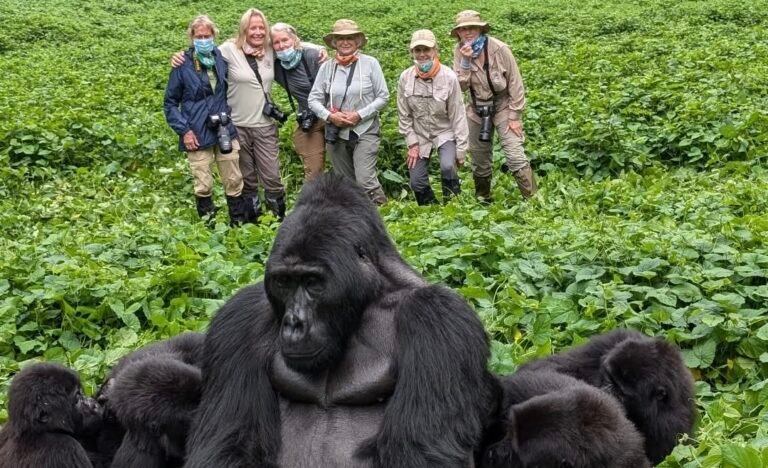
Football supporters visiting Uganda may also become interested in gorilla trekking, wildlife safaris, cultural experiences and other attractions.
8. Tourism Attractions to Explore Around Hoima
Hoima is not just a destination for sports enthusiasts. It is also an excellent starting point for discovering the natural and cultural heritage of the Bunyoro region.
Visitors attending sporting events at Hoima City Stadium can consider extending their stay to explore some of the following attractions.
A. Lake Albert
Lake Albert is one of the major lakes in East Africa and forms part of the Albertine Rift landscape.
The lake offers beautiful scenery, fishing communities, birdlife and opportunities to appreciate the relationship between local communities and the surrounding natural environment.
Visitors can enjoy lakeside experiences, photography and cultural encounters.
B. Kibiro Hot Springs
Kibiro Hot Springs are among the interesting cultural and natural attractions in the Hoima area.
Located along the shores of Lake Albert, Kibiro is known for its traditional salt-production practices.
Local communities have historically used natural salt deposits and hot spring resources in traditional salt extraction.
A visit offers an opportunity to learn about local livelihoods, traditional knowledge and the cultural significance of salt production.
Visitors should arrange local guidance and confirm access conditions before travelling.
C. Mparo Royal Tombs
The Mparo Royal Tombs are an important cultural and historical site associated with the Bunyoro Kingdom.
The site is connected to the history of the kingdom and its former rulers, including Omukama Kabalega.
For visitors interested in Uganda’s traditional kingdoms, history and cultural heritage, the tombs provide a valuable opportunity to learn about Bunyoro’s past.
D. Kabwoya Wildlife Reserve
Kabwoya Wildlife Reserve offers a different experience from Uganda’s larger and more famous national parks.
The reserve is associated with the landscapes of the Albertine Rift and wildlife species such as Uganda kob, buffaloes, warthogs and other animals.
It is an interesting option for travellers looking for a wildlife experience in western Uganda.
E. Murchison Falls National Park
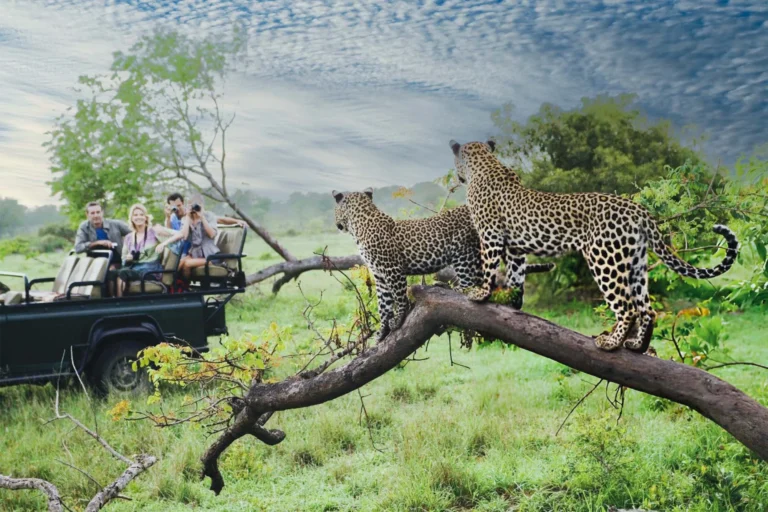
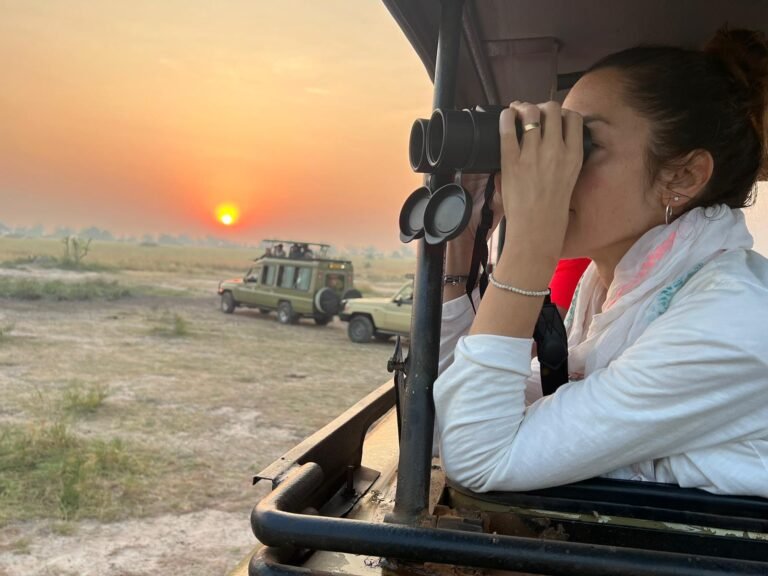
For visitors who want to combine sports tourism with a traditional Uganda wildlife safari, Murchison Falls National Park is one of the strongest options.
The park is famous for the powerful Murchison Falls, where the Victoria Nile forces its way through a narrow gorge before plunging downstream.
Visitors can enjoy:
- Game drives.
- Boat cruises along the Nile.
- Wildlife photography.
- Birdwatching.
- Nature experiences.
- Rhino tracking at Ziwa Rhino Sanctuary on suitable routes to or from the park.
Murchison Falls is an excellent addition to a wider western Uganda itinerary.
Sankofa Afrika Safaris can help travellers plan a safari that combines Hoima with Murchison Falls and other destinations in Uganda.
Explore our 4-Day Murchison Falls Wildlife and Rhino Trekking Adventure.
9. How Can You Get to Hoima City Stadium?
Travellers can reach Hoima City by road from different parts of Uganda.
Travelling from Kampala
The road journey from Kampala to Hoima is one of the common travel options.
The journey can take several hours, depending on traffic, the route selected and road conditions.
Visitors travelling for a major sporting event should consider departing early to allow sufficient time for the journey and entry procedures.
Travelling from Murchison Falls
Travellers exploring Murchison Falls National Park can incorporate Hoima into a wider western Uganda itinerary.
The exact journey depends on the park gate, accommodation location and planned route.
Travelling from Other East African Destinations
International visitors arriving in Uganda can organise their journeys through Entebbe International Airport and proceed towards Hoima by road.
Visitors coming from Kenya, Tanzania or Rwanda can also include Hoima in a wider East African travel itinerary, depending on their preferred border crossings and destinations.
For international travellers, arranging reliable transport and accommodation in advance is particularly important during major sporting events.
10. Is Hoima City Stadium Open to Visitors?
Hoima City Stadium has been officially commissioned and is an operational sports facility.
However, visitors should understand that an operational stadium does not necessarily mean that all its facilities are freely accessible to the general public every day.
Access may depend on:
- Scheduled football matches.
- Athletics competitions.
- Official events.
- Training activities.
- Private bookings.
- Stadium management regulations.
Visitors interested in attending an event, arranging a tour or accessing specific facilities should confirm the latest arrangements with the National Council of Sports or the relevant event organisers.
It is also advisable to confirm ticketing arrangements before travelling. Ticket availability and entry requirements may differ from one event to another.
11. What Should You Know Before Visiting Hoima City Stadium?
If you are planning to visit Hoima for a sporting event or tourism experience, consider the following recommendations.
Plan your transport early: Arrange reliable transport, especially when attending major sporting competitions.
Book accommodation in advance: Hotels and guesthouses may experience increased demand during international events.
Confirm event information: Check the official event schedule, ticket requirements and stadium access arrangements.
Arrive early: Large sporting events can attract significant crowds, so allow time for security checks and entry procedures.
Respect stadium regulations: Follow instructions from security officers and stadium management.
Carry identification: Keep appropriate identification and travel documents with you.
Explore the region: Consider adding cultural and wildlife attractions to your visit rather than travelling only for the match.
Support local businesses: Buy from legitimate local businesses, use registered accommodation providers and respect local communities.
12. How Hoima City Stadium Can Transform Tourism in Western Uganda
The development of Hoima City Stadium creates an opportunity to strengthen tourism in western Uganda.
Sports tourism is a growing part of the international travel industry. People travel across countries and continents to watch football matches, athletics competitions, championships and other major sporting events.
When these visitors arrive, they also require accommodation, transport, food, entertainment and additional experiences.
This creates opportunities for local tourism businesses and communities.
Hoima can benefit from visitors who want to experience more than a football match. Some may wish to visit Lake Albert, explore Bunyoro’s cultural heritage, experience local cuisine or continue to Murchison Falls National Park.
The development of Kabalega International Airport and other regional infrastructure is also part of the wider ambition to improve access to the oil and tourism region. Travellers should check current flight availability and airport passenger arrangements before planning their journey.
For Uganda, the opportunity is to turn sporting visitors into longer-stay travellers who explore multiple destinations.
This is where tour operators, accommodation providers, transport companies and local tourism stakeholders can work together to create memorable travel experiences.
13. Why Visit Hoima with Sankofa Afrika Safaris?
At Sankofa Afrika Safaris, we believe Uganda is a destination with much more to offer than its famous wildlife attractions.
From modern sporting developments and traditional kingdoms to beautiful lakes, forests, mountains and national parks, Uganda offers a wide variety of experiences for international travellers.
We organise travel experiences across East Africa, with a focus on Tanzania, Uganda, Rwanda and Kenya.
For visitors interested in Hoima City Stadium, we can help organise a wider Uganda travel experience that may include:
- A visit to Hoima City and the Bunyoro region.
- Cultural experiences and heritage tours.
- Lake Albert sightseeing.
- Kibiro Hot Springs excursions.
- Murchison Falls wildlife safaris.
- Ziwa Rhino Sanctuary experiences.
- Private road transport.
- Accommodation arrangements.
- Multi-destination East African safari itineraries.
Whether you are travelling to Uganda for AFCON 2027, a sporting event, business, cultural exploration or a wildlife holiday, our team can help you plan your journey.
Explore our Uganda Safaris or learn more About Sankofa Afrika Safaris.
14. Frequently Asked Questions About Hoima City Stadium
1. Where is Hoima City Stadium located?
Hoima City Stadium is located in Hoima City in the Bunyoro sub-region of western Uganda.
2. What is the seating capacity of Hoima City Stadium?
The main stadium has a seating capacity of approximately 20,000 spectators.
3. When was Hoima City Stadium opened?
The stadium was officially commissioned by President Yoweri Kaguta Museveni on 24 December 2025. The National Council of Sports records 28 February 2026 as its official project completion date.
4. Who constructed Hoima City Stadium?
The stadium was constructed by Turkish company M/S SUMMA under a contract awarded by the Government of Uganda through the National Council of Sports.
5. How much did Hoima City Stadium cost?
The National Council of Sports lists the project cost at approximately USD 129 million, equivalent to around UGX 500 billion.
6. Will Hoima City Stadium host AFCON 2027?
Hoima City Stadium is one of the stadiums designated to support Uganda’s hosting of the 2027 Africa Cup of Nations, which will be jointly hosted by Uganda, Kenya and Tanzania.
7. What facilities are available at Hoima City Stadium?
The complex includes a 20,000-seat main stadium, a 2,000-seat indoor arena, a semi-Olympic swimming pool, an athletics track, basketball and volleyball courts, training facilities, VIP lounges and supporting amenities.
8. Can tourists visit Hoima City Stadium?
Visitors can attend scheduled events and should contact the stadium management or relevant organisers to confirm arrangements for tours and access to facilities.
9. What tourist attractions can I visit around Hoima?
Some attractions in the wider region include Lake Albert, Kibiro Hot Springs, Mparo Royal Tombs, Kabwoya Wildlife Reserve and Murchison Falls National Park.
10. Can I combine a visit to Hoima City Stadium with a Uganda safari?
Yes. Travellers can plan a wider itinerary that combines Hoima with cultural experiences, Lake Albert and wildlife destinations such as Murchison Falls National Park.
Sankofa Afrika Safaris can assist with transport, accommodation and safari arrangements.
Conclusion: Hoima City Stadium Is More Than a Sporting Landmark
Hoima City Stadium represents an important chapter in Uganda’s sporting and infrastructure development.
Its modern facilities, 20,000-seat capacity and role in preparations for AFCON 2027 place it among the country’s significant new sporting landmarks.
But its importance extends beyond football. It has the potential to attract visitors, support regional businesses, create employment opportunities and introduce more international travellers to the Bunyoro region.
For travellers planning to visit Uganda, Hoima offers an opportunity to discover a different side of the country: one where modern development meets traditional culture, beautiful landscapes and unforgettable wildlife experiences.
At Sankofa Afrika Safaris, we invite you to explore Uganda beyond the ordinary.
Whether you want to attend a sporting event, discover Bunyoro’s cultural heritage, experience Lake Albert or enjoy a wildlife safari in Murchison Falls National Park, we are ready to help you plan an unforgettable East African experience.
Plan your Uganda experience with Sankofa Afrika Safaris.
Website: https://sankofafrikatours.com/
Email: info@sankofafrikatours.com
Contact Sankofa Afrika Safaris to start planning your journey.
Recommended Further Reading and Research
For readers who want to explore the subject further, the following official resources provide additional information:
- National Council of Sports – Key Facts About Hoima City Stadium
- Uganda Media Centre – Hoima Gears Up for AFCON 2027
- Uganda Broadcasting Corporation – Hoima City Stadium Commissioning
- Hoima District Local Government – Tourism and Investment Opportunities
- Ministry of Tourism, Wildlife and Antiquities – Explore Bunyoro
- FUFA – Football Facilities Classification 2026