
East Africa Safaris: Comparing Multi-Country Itineraries for First-Time Buyers
East Africa safaris for first-time buyers should focus on core goals like the Great Migration planning rather than adding extra countries and fees.
 Regenerate
East Africa safaris deliver the strongest results for first-time buyers when the route is chosen around one clear goal rather than the number of countries visited. A longer list of flags adds transfers, paperwork and fees, and it only pays off when each extra country brings something the traveler actually came for. Below is a framework for judging multi-country safari itineraries before you contact any operator.
- Which East African country best matches a first-time traveler’s main goal?
- Should a first safari combine Kenya and Tanzania for the Great Migration?
- How do gorilla permit costs differ between Uganda and Rwanda?
- What does the East African Tourist Visa cover, and does it include Tanzania?
- How do East Africa safaris compare on park fees, permits, and logistics?
- Frequently asked questions
- Selecting your East Africa safari route
Which East African country best matches a first-time traveler’s main goal?
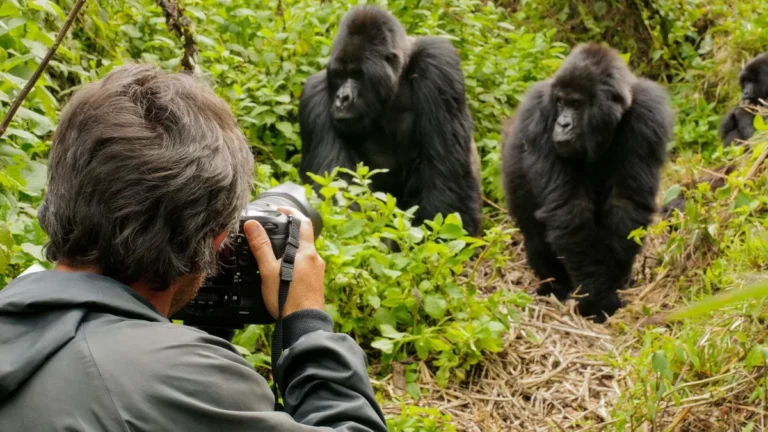
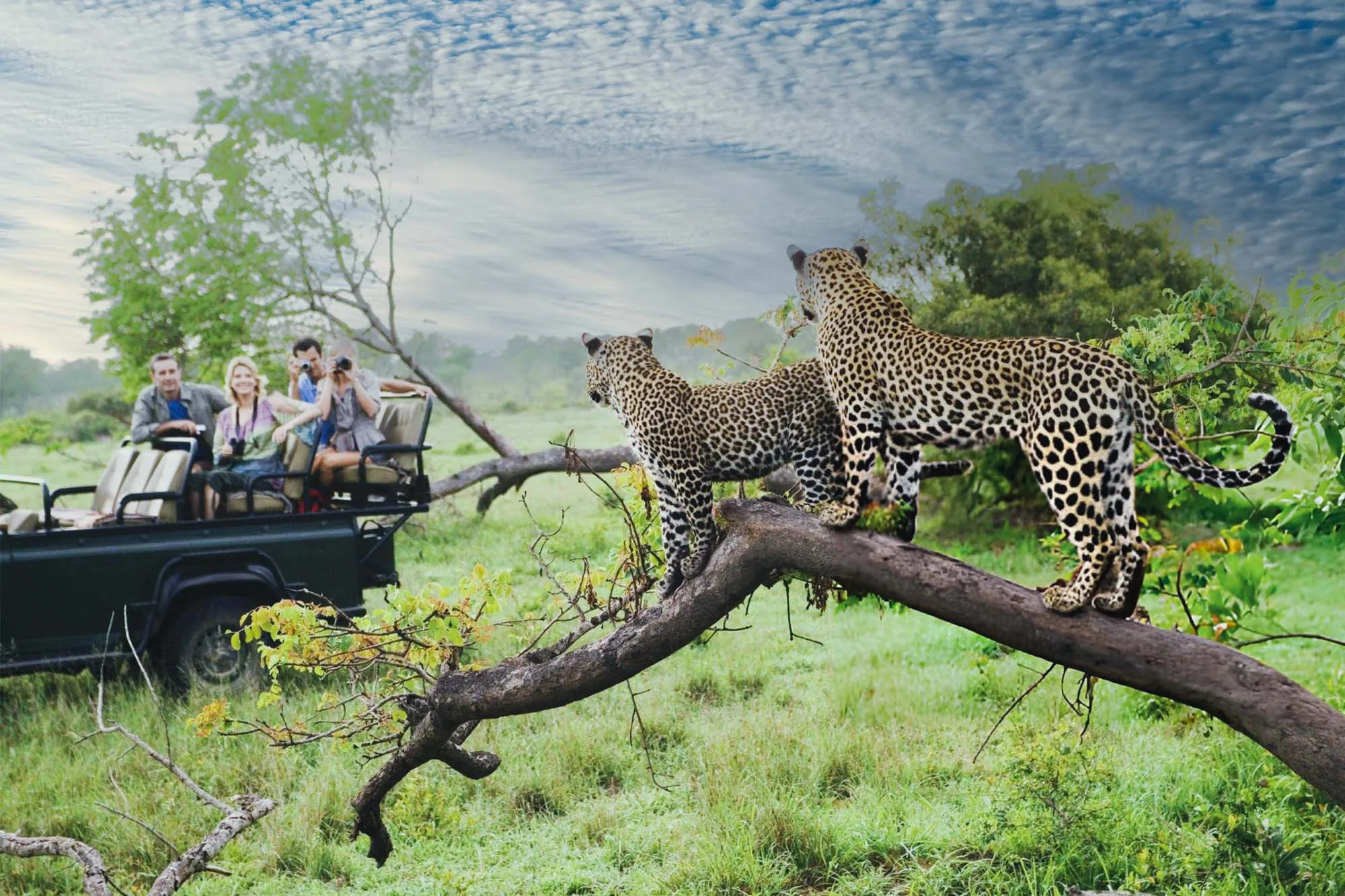
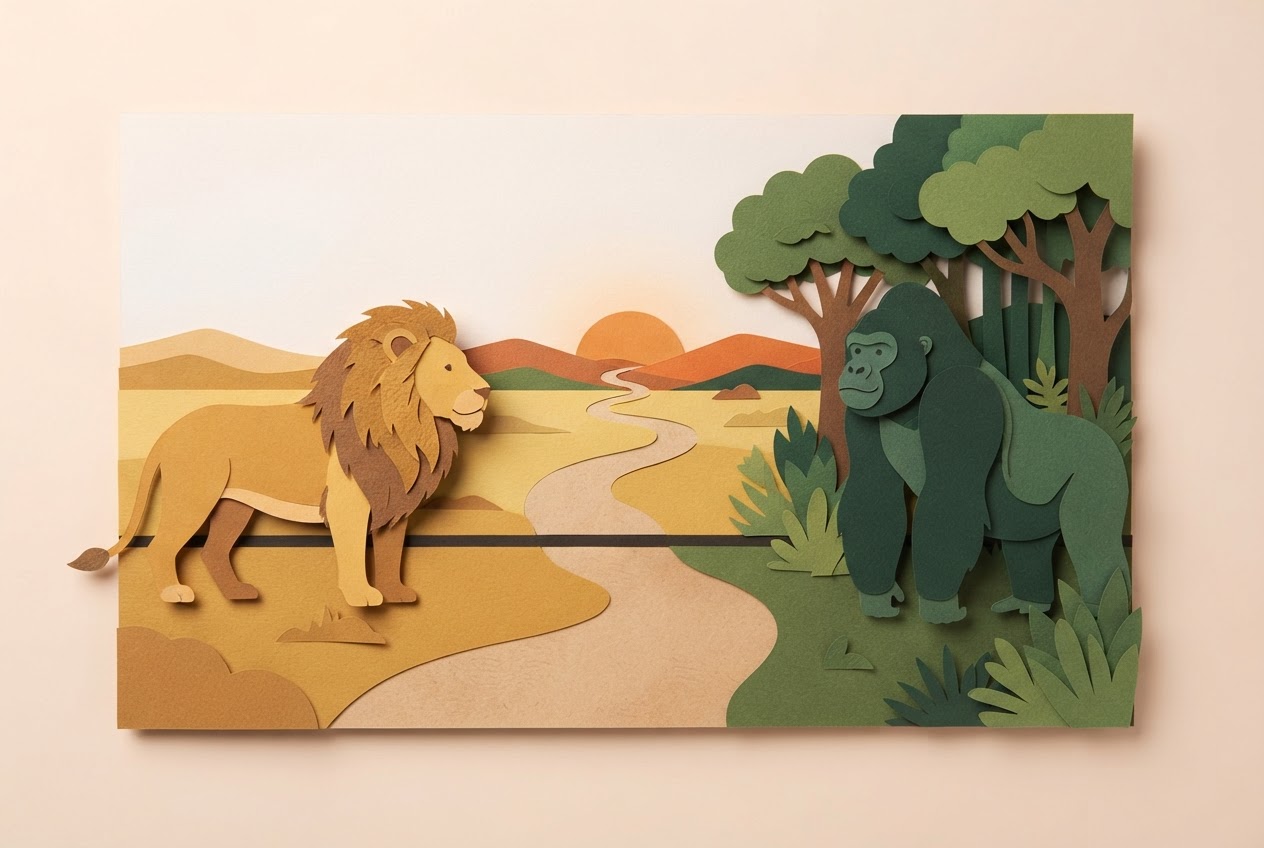
Start with the single experience you would regret missing. If it is big cats, river crossings and wide plains full of herds, your shortlist is Kenya and Tanzania, and either one can carry the whole trip on its own. If it is gorilla trekking, you are choosing between Uganda and Rwanda, because those are the two countries where that goal is met.
Each goal has a natural home, so match it first and add countries second. A traveler who wants classic plains animals gains little from tacking on a third country. The extra border, the extra flight or long drive, and the extra day of packing and unpacking all eat into time that could be spent in the vehicle watching wildlife.
A simple test helps. Write your main goal at the top of a page, then list what each added country contributes toward it. If an addition contributes nothing, it is a planning cost rather than a benefit. Gorilla-focused travelers can still pair a trek with a short plains extension, but the trek should anchor the route, and the plains stay a bonus.
Treat the number of countries as a variable you adjust, not a target. Two well-chosen parks in one country often beat four countries squeezed into the same number of days. At Sankofa Afrika Safaris we build tailor-made packages across Tanzania, Uganda, Rwanda and Kenya, so you can start from your goal and let the route follow.
Should a first safari combine Kenya and Tanzania for the Great Migration?
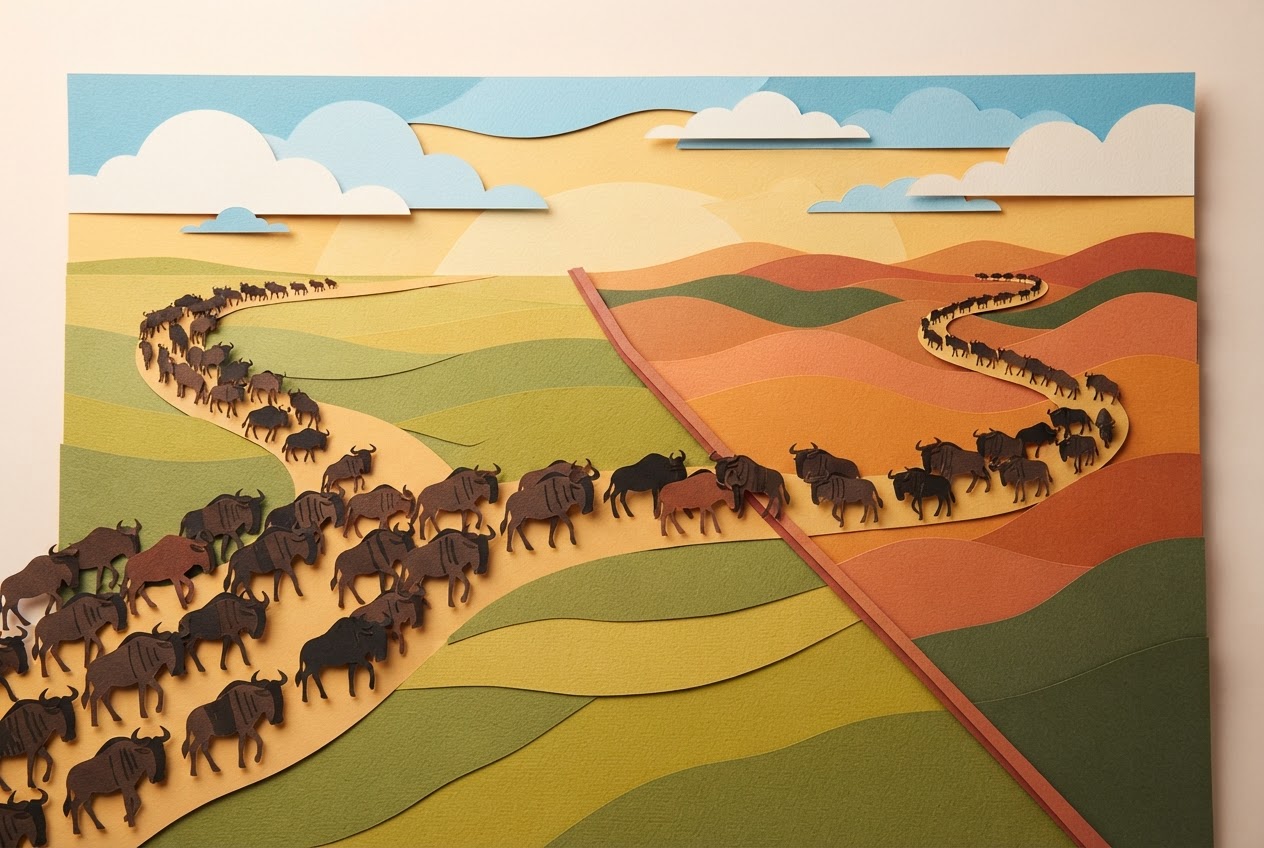
Only if your dates match where the herds actually are. Great Migration planning is really a calendar question. Sankofa Afrika Safaris’s says the herds are generally in Kenya for roughly July through October, and in Tanzania for most of the rest of the year. Sankofa Afrika Safaris likewise gives July through October as the generally recommended migration period for the Masai Mara.
The turn comes with the weather. Rains generally begin in October, and the herds start heading back toward the Serengeti by November, according to MasaiMara.com. A trip planned for late October or November therefore risks catching the herds mid-move, and movement cannot be guaranteed on a fixed date.
Here is how that plays out in practice. For example, if you travel in August, Kenya is the obvious base, and adding Tanzania mostly adds a border without adding herds. If you travel in the months when the herds are in the Serengeti, a Tanzania-only route may serve you better than a split itinerary that spends days in a Kenyan park with fewer herds.
A Kenya, Tanzania itinerary earns its place when your travel window sits at the edge of the Kenya season and you want to follow the herds across. Ask any operator which country the herds are expected in during your exact month, and treat Kenya and Tanzania as different destinations rather than interchangeable ones.
How do gorilla permit costs differ between Uganda and Rwanda?
The permit is the biggest single price gap between the two countries. Sankofa Afrika Safaris citing the Rwanda Development Board tariff, lists Rwanda at US$1,500 per person per trek. Citing the Uganda Wildlife Authority tariff, it lists Uganda at US$800 per person per trek.
For a couple, that difference is easy to calculate: the permit alone is US$700 less per person in Uganda for each trek. If you trek twice, the gap doubles for each traveler. That is a meaningful sum before you have paid for a single lodge night.
Permit price is not total trip cost, though. Uganda’s lower fee can offset extra travel time when gorilla viewing is the main goal, but a longer journey means more transfer days, more driving, and possibly more nights of accommodation. Rwanda’s higher fee may suit travelers who would rather pay more and keep the gorilla extension shorter and simpler.
So compare in two steps. First, price the permits for your group at each country’s rate. Second, ask your operator for the full route, including transfer time and nights, and set the permit saving against those extras. The cheaper permit wins only if the rest of the itinerary does not give the saving back.
What does the East African Tourist Visa cover, and does it include Tanzania?
It covers Uganda, Kenya and Rwanda only, and Tanzania is not included, according to Uganda’s Directorate of Citizenship and Immigration Control. The same page gives the visa a 90-day validity and allows multiple entries for tourism within those three countries. It is not renewable after expiry or after leaving the participating bloc.
For a route that crosses into Tanzania, you need separate Tanzanian entry authorization, since Tanzania sits outside the visa’s coverage. That adds paperwork to any Kenya, Tanzania plan, even though the herds move across that border freely.
Arrival order matters too. The Embassy of Rwanda in the Netherlands says the visa must be issued by the traveler’s first-entry country, so don’t assume you can pick it up in any of the three after you arrive. Sketch your arrival sequence before you apply.
On cost, Paramount Gorilla, citing official portals, lists the visa fee at US$100 per person. The Kenya eTA portal lists Kenya’s standard eTA at US$30. A Kenya-only trip may use the eTA, while a qualifying three-country route may use the joint visa, so the right document depends on the route you choose.
How do East Africa safaris compare on park fees, permits, and logistics?
Seasonal fees can change the cost of the same park by a wide margin. The figures below come from Sankofa Afrika Safaris, citing the Narok County fee sheet and the TANAPA tariff, plus the earlier permit and visa figures.
| Item | Fee | Season or note |
|---|---|---|
| Masai Mara, non-resident adult | US$100 per day | January to June |
| Masai Mara, non-resident adult | US$200 per day | July to December |
| Serengeti, adult | US$82.60 including VAT | Peak: May 16 through March 14 |
| Serengeti, adult | US$70.80 including VAT | Low: March 15 through May 15 |
| Gorilla permit, Uganda | US$800 per person per trek | Separate from park fees |
| Gorilla permit, Rwanda | US$1,500 per person per trek | Charged on top of park fees |
| East African Tourist Visa | US$100 per person | Uganda, Kenya, Rwanda only; not Tanzania |
The Mara’s fee doubles just as the migration season begins, while the Serengeti’s seasonal gap is far smaller. Gorilla permits sit outside park fees, so budget them individually. Any Kenya, Tanzania route adds a second entry process because the joint visa excludes Tanzania.
Frequently asked questions
When should travelers plan a Kenya, Tanzania Great Migration itinerary?
Plan around the herds’ location, not the calendar alone. Choose a month that places the herds in the country you intend to visit, then build the route around that. MasaiMara.com gives July through October as the usual Kenya window, so dates outside it favor a Tanzania-focused plan.
How much do gorilla permits cost in Uganda versus Rwanda?
Uganda is considerably cheaper. Paramount Gorilla, citing the national tariffs, lists Uganda at US$800 and Rwanda at US$1,500 per person per trek. Multiply by the number of travelers and treks, then weigh the saving against any extra travel time to reach the gorillas.
Does the East African Tourist Visa cover Tanzania?
No, the visa covers only Uganda, Kenya and Rwanda. Uganda’s immigration directorate states that Tanzania is not included, so a trip that crosses into Tanzania needs separate entry authorization. Plan that paperwork alongside the joint visa rather than assuming one document covers the whole route.
How do seasonal Maasai Mara and Serengeti fees affect the trip budget?
Maasai Mara fees rise during the migration months, while Serengeti fees move less. Paramount Gorilla, citing the Narok County fee sheet, lists US$100 per day through June and US$200 from July. Its TANAPA figures run from US$70.80 to US$82.60 for the Serengeti, so the Mara is where timing hits hardest.
What should buyers ask an operator about park fees and border crossings?
Ask which fees the quoted price includes and whether each country on the itinerary needs its own visa or permit. Gorilla permits and park entry are priced separately, and Tanzania sits outside the joint visa. Request the arrival sequence too, since the visa is issued by the first-entry country.
Selecting your East Africa safari route
The best first safari is the shortest route that delivers the one wildlife experience you value most. Check migration dates against your travel month, add permit and seasonal park fees to the budget, and confirm visa rules for every border you cross. If you would like help turning a single goal into a route, ask Sankofa Afrika Safaris for a tailor-made itinerary.