

3-Day Budongo Chimpanzees & Reforestation Walk
Track chimpanzees in Budongo Forest with rangers, plant native trees with a local youth conservation group and visit the conservation education centre. The chimpanzee permit is included.
Tour Overview
Budongo Forest Reserve is one of East Africa's largest mahogany forests, on the slopes above the Albertine Rift escarpment in western Uganda. It has one of the continent's most studied and habituated chimpanzee communities. On this three-day trip you track chimpanzees with an experienced ranger, plant native tree seedlings with a local youth conservation group along the forest edge, and visit the education centre where Budongo's long-term research is turned into community action. You stay two nights in a lodge close to the forest boundary. It is a short trip, but a hands-on one.
Trip Highlights
Chimpanzee tracking
An early start with an experienced ranger to find a habituated chimpanzee community that has been observed for decades.
Reforestation with youth volunteers
Plant native seedlings, grown from seed collected in the reserve, in cleared sections where the forest edge has retreated.
Conservation education centre
See how wildlife monitoring, habitat protection and school programmes work in practice.
Forest-edge photography and birding
An optional evening photography session and a short morning birding walk along the forest boundary.
Plan Your Budongo Trip
Tell us your dates and group size. We'll confirm availability and send you a quote.
Day-by-Day Itinerary
Transfer to Budongo and Evening Briefing
You leave in the morning from Masindi, a drive of about an hour, or from Kampala, a drive of five to six hours west towards the Albertine Rift escarpment. Your driver-guide explains the forest's history, the chimpanzee research programme that has made Budongo one of the most studied primate habitats in Africa, and the conservation work going on in the reserve.
You check in at a comfortable lodge near the forest edge, where farmland meets old mahogany canopy, and have lunch. In the evening your ranger guide briefs you on chimpanzee tracking rules, forest etiquette, safety and the conservation projects run by the ranger team and their community partners. Guests' questions at this briefing often lead to some of the best conversations of the trip.
- Morning transfer from Masindi or Kampala
- Lodge check-in and lunch
- Evening briefing with your ranger guide
Chimpanzee Tracking and Reforestation
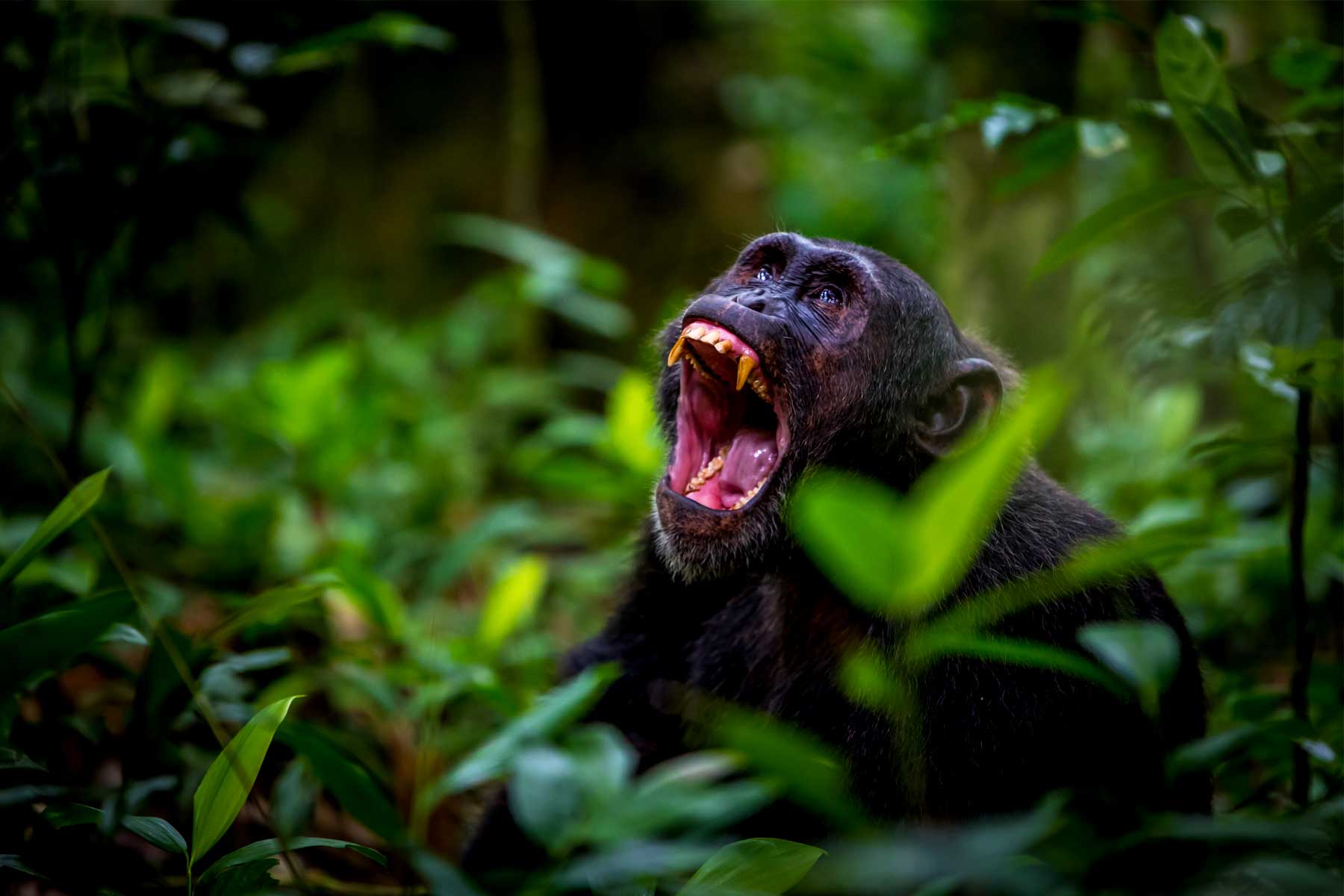
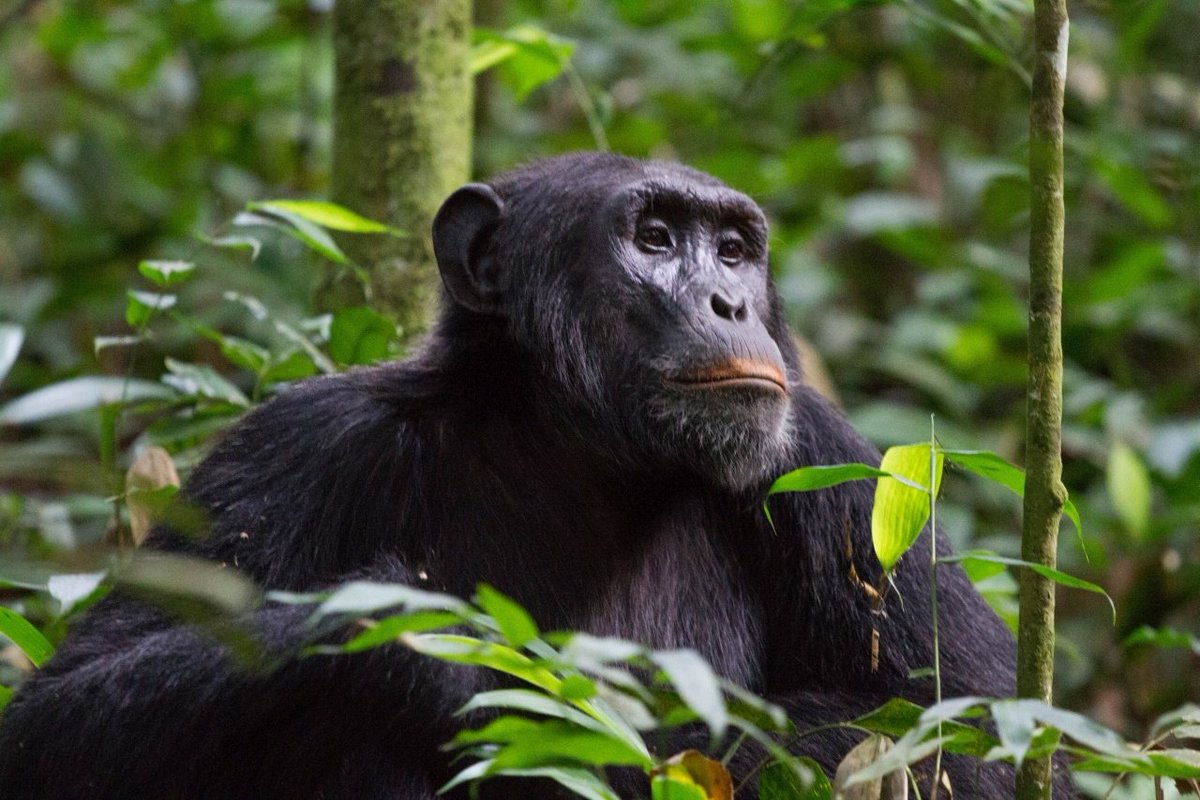
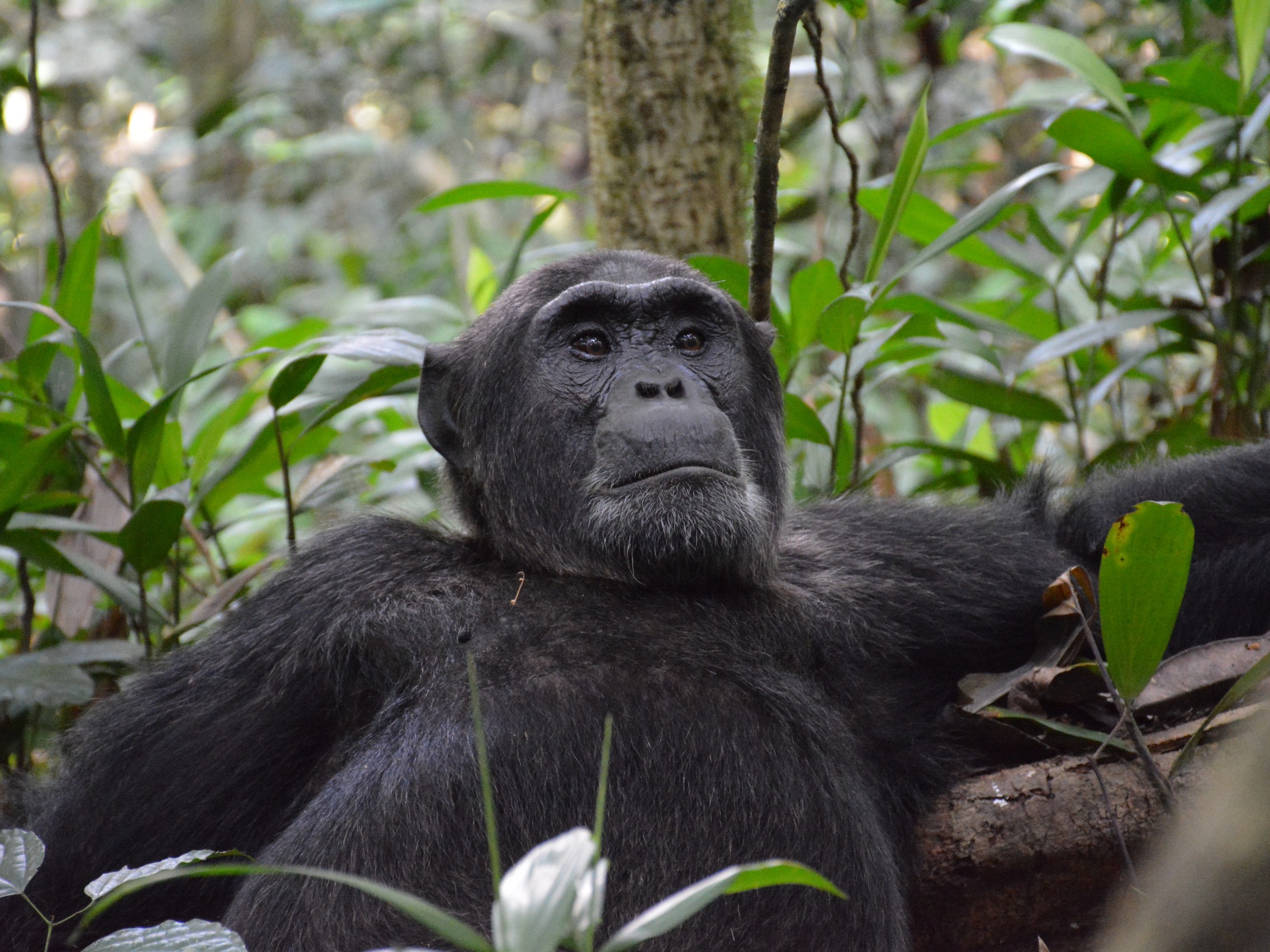
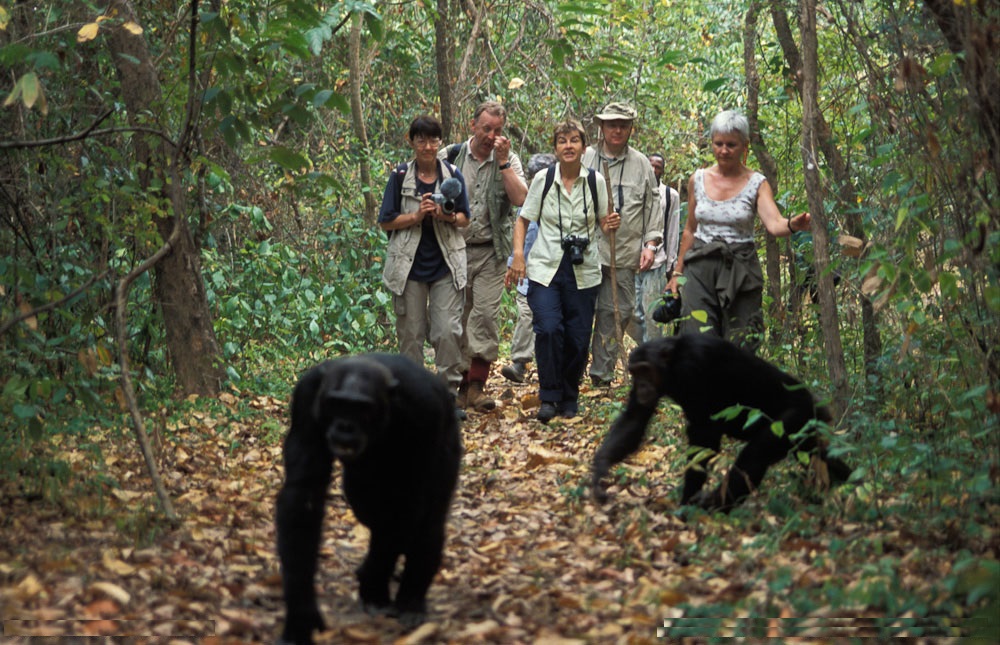
Tracking starts early, when the forest is most active and mist still hangs in the mahogany canopy. Your ranger leads the group using knowledge of the community's usual movements and radio contact with trackers ahead. The Budongo chimpanzees have been observed continuously for decades and are comfortable with respectful visitors, so encounters are often close and long. You may see a family feeding in a fruiting fig, a male displaying through the undergrowth, or juveniles moving through the mid-canopy. The session lasts two to four hours, depending on where the community has moved overnight.
You return to the lodge for breakfast and a rest. In the afternoon you join the reforestation session, led by a local youth conservation group that runs tree nurseries and planting programmes along the degraded forest edge. You plant native seedlings by hand, grown from seed collected in the reserve, in cleared sections where the forest boundary has retreated. The youth leaders explain how species are chosen, how closely they are planted, the seasonal upkeep and how they monitor canopy recovery over time.
For the optional evening session, your guide takes you to the forest boundary in the hour before sunset, when bird activity and the light are good for photography. The session ends with an informal talk about conservation impact: what the reforestation data shows, what it does not, and why both matter.
- Early chimpanzee tracking with a ranger
- Native tree planting with youth volunteers
- Optional forest-edge photography session
Conservation Centre Visit and Return
The last morning is at the conservation education centre, which turns Budongo's long-term research into community programmes. Staff work on wildlife monitoring, habitat protection and environmental education with local schools. They explain how ecological data is gathered and used, covering the chimpanzee behaviour research, the forest inventory work and how the boundary between protected forest and farming communities is managed.
Before departure you can take a short birding walk along the forest edge with your ranger. Budongo is one of Uganda's premier birding sites, with species such as Cassin's spinetail, chocolate-backed kingfisher and many forest sunbirds and warblers, and a short morning walk can turn up good sightings.
After lunch your driver-guide takes you back to Masindi or Kampala. The Kampala drive is five to six hours. The trip ends on arrival, as arranged when you book.
- Conservation education centre visit
- Optional short birding walk
- Lunch, then the drive back
What's Included
Included
- Private transfers as specified
- 2 nights at a lodge near Budongo Forest (full board)
- Chimpanzee tracking permit and ranger guide
- Reforestation with a youth group
- Conservation education centre visit and fees
- Meals as specified and bottled water throughout
Excluded
- International flights and Uganda entry visa
- Travel, medical and evacuation insurance
- Tips for guides, rangers and lodge staff
- Alcohol and premium drinks
- Optional activities outside the itinerary
- Additional chimp permits if you request more than one session
- Personal expenses and souvenirs
Price Per Person
| Group Size | Price per Person | Notes |
|---|---|---|
| 1 person | $560 | Solo traveller rate |
| 2 people | $380 | Per person |
| 3 people | $320 | Per person |
| 4 people | $290 | Per person |
| 5 people | $270 | Per person |
| 6 people | $255 | Best group value |
Before You Book
Good to Know
- Getting there: Masindi to Budongo Forest takes about 1 to 1.5 hours, and Kampala to Budongo takes 5 to 6 hours depending on traffic. Leave in the morning from either place so you arrive for the afternoon orientation and evening briefing.
- Permits: Chimpanzee tracking permits must be booked in advance and depend on availability. We reserve yours as part of your booking, so please confirm your travel dates early, especially in peak season.
- Fitness: You need moderate fitness for 2 to 4 hours of active walking on uneven forest trails that can be muddy and steep after rain. Wear waterproof trekking boots with ankle support. Gaiters help in the wet season.
- Photography: The forest interior is dim. A lens with a wide aperture (f/2.8 or faster) and a camera that handles high ISO will help a lot. A 100 to 400 mm telephoto zoom is ideal for the canopy, and a wider lens suits the reforestation session. Bring a waterproof camera bag or dry bag.
- Health: A yellow fever vaccination is required for entry to Uganda. Malaria prophylaxis is recommended, so see a travel clinic before you leave. Chimpanzees can catch human respiratory infections, so visitors with respiratory symptoms may be asked to stay at the lodge on trek day. Travel and medical insurance is strongly advised.
Ready for Budongo?
Send us your dates and group size. We'll confirm availability and send a quote.