
Feeding Wildlife in Uganda: Where to Enjoy Ethical Animal Feeding Experiences and Wildlife Encounters
Introduction: Discover Uganda Through Its Wildlife Feeding Experiences
Uganda is one of Africa’s most rewarding destinations for wildlife lovers. Known for its mountain gorillas, chimpanzees, elephants, lions, giraffes and extraordinary birdlife, the country offers much more than traditional game drives and wildlife photography.
For travelers looking for a closer educational experience, wildlife feeding activities in Uganda offer an opportunity to understand how animals eat, behave, interact and survive. From supervised animal-care experiences at the Uganda Wildlife Conservation Education Centre, popularly known as Entebbe Zoo, to observing rescued chimpanzees during feeding sessions at Ngamba Island, visitors can learn about wildlife conservation in a memorable and engaging way.
These activities are particularly interesting for families, children, wildlife photographers, conservation enthusiasts and visitors who want to learn about Uganda’s animals beyond simply observing them in the wild.
However, it is important to understand the difference between responsible, supervised animal feeding and feeding wild animals in their natural habitats. Wildlife should never be given food by visitors unless the activity is officially organized and supervised by qualified animal-care professionals.
In this guide, Sankofa Afrika Safaris explores some of the best places to experience wildlife feeding and animal-care activities in Uganda, what to expect, and how to enjoy these encounters responsibly.
1. Uganda Wildlife Conservation Education Centre (Entebbe Zoo)
The Uganda Wildlife Conservation Education Centre (UWEC), popularly known as Entebbe Zoo, is one of the best-known destinations for visitors interested in wildlife education and supervised animal-care experiences.
Located on the shores of Lake Victoria in Entebbe, UWEC provides an opportunity to see different species of Ugandan wildlife while learning about animal rescue, rehabilitation, veterinary care and conservation education.
Unlike a traditional wildlife safari, where animals are observed from a vehicle or at a distance, UWEC offers selected special programmes that allow visitors to learn more about the daily work of animal keepers.
The Behind-the-Scenes Wildlife Experience
One of the most interesting activities at Entebbe Zoo is the Behind the Scene experience.
This is an educational programme that takes visitors beyond ordinary wildlife viewing and introduces them to the work involved in caring for animals at the centre.
According to UWEC, the programme lasts approximately two hours and provides a closer look at the care of resident animals, including lions, elephants and other wildlife.
Visitors can learn about:
- How animal keepers prepare and distribute food.
- The nutritional requirements of different wildlife species.
- How animals are monitored and cared for.
- Veterinary attention and animal health management.
- The importance of environmental enrichment.
- How rescued animals are supported in managed environments.
Some animal interactions and feeding-related opportunities may be available through approved programmes, depending on the animals, staff arrangements and welfare requirements. Visitors should confirm the exact activities available when making a reservation.
This experience is particularly valuable because it helps visitors understand that feeding wildlife is not simply about giving an animal food. It involves carefully planned diets, appropriate feeding methods, hygiene and knowledge of animal behaviour.
Official information: UWEC Behind the Scene Experience
Keeper for a Day Experience
For visitors who want to understand wildlife care at a deeper level, UWEC also offers a programme known as Keeper for a Day.
This experience is designed for adults and students interested in learning about the responsibilities of professional animal keepers.
Participants spend time with animal-care staff and may take part in approved activities such as:
- Preparing animal meals.
- Cleaning animal enclosures.
- Providing environmental enrichment.
- Learning about feeding routines.
- Understanding animal behaviour.
- Discovering the daily responsibilities of wildlife-care professionals.
The programme is especially interesting for students studying veterinary medicine, zoology, wildlife conservation, animal science and environmental management.
It also provides a valuable educational experience for anyone interested in understanding the work behind wildlife conservation.
Advance reservations are required. The centre publishes different rates for East African visitors, residents and non-East African visitors, so travelers should check the latest fees directly before booking.
Official booking information: UWEC Keeper for a Day
What Animals Can You See at Entebbe Zoo?
Depending on the animals available at the centre, visitors may encounter:
- African elephants.
- Lions.
- Giraffes.
- Chimpanzees.
- White rhinoceroses.
- Various monkey species.
- Crocodiles.
- African birds and other wildlife.
Not every animal is included in a special feeding or close-up experience. Activities are determined by the centre’s programme and animal welfare considerations.
Why visit Entebbe Zoo?
UWEC is an excellent starting point for travelers who want to learn about Uganda’s wildlife without travelling far from Entebbe International Airport. It is also suitable for families, school groups, educational tours and visitors with limited time.
2. Ngamba Island Chimpanzee Sanctuary – Watch Rescued Chimpanzees During Feeding Sessions
Located on Lake Victoria, Ngamba Island Chimpanzee Sanctuary is one of Uganda’s most remarkable primate conservation destinations.
The sanctuary is managed by the Chimpanzee Sanctuary and Wildlife Conservation Trust, an organisation established in 1998 to promote the understanding, appreciation and conservation of chimpanzees and their habitats.
Ngamba Island provides long-term care for rescued and orphaned chimpanzees that cannot safely return to the wild.
Unlike an ordinary zoo visit, the Ngamba Island experience takes visitors across Lake Victoria by boat to a forested island where they can learn about chimpanzee rescue, rehabilitation, feeding, behaviour and conservation.
The Chimpanzee Feeding Experience
One of the major highlights of visiting Ngamba Island is observing the chimpanzees during their scheduled feeding sessions.
Visitors watch from a designated raised viewing platform while trained sanctuary staff manage the feeding process.
During the experience, guests can observe how chimpanzees:
- Recognise and respond to feeding routines.
- Collect and consume fruits and vegetables.
- Interact with other members of their group.
- Communicate through vocalisations and body language.
- Display their intelligence, curiosity and social behaviour.
Chimpanzees are highly intelligent primates with complex social relationships. Watching them during feeding provides an opportunity to understand their behaviour and the importance of maintaining a suitable diet and environment.
Importantly, this is a supervised feeding and viewing experience. Visitors observe the feeding process rather than independently feeding or handling the chimpanzees.
What Makes Ngamba Island Special?
The sanctuary’s work goes beyond providing food and shelter. Its conservation activities include:
- Rescue and long-term care of orphaned chimpanzees.
- Veterinary treatment and health monitoring.
- Rehabilitation and social integration.
- Environmental education.
- Protection of chimpanzees and their natural habitats.
- Community conservation initiatives.
A visit therefore provides both a memorable wildlife encounter and an opportunity to learn about the challenges facing chimpanzees in Uganda.
How to Visit Ngamba Island
Visitors travel from Entebbe by speedboat across Lake Victoria. The Chimpanzee Trust publishes boat departures at 9:00 am and 12:45 pm, with feeding and viewing times listed at 7:30 am, 11:00 am, 2:30 pm and 6:30 pm. These schedules need to be matched with the selected trip and confirmed before travel.
Pre-booking is required.
Official website: Chimpanzee Sanctuary and Wildlife Conservation Trust
Book your experience: Visit Ngamba Island
Why visit Ngamba Island?
Ngamba Island is particularly suitable for wildlife enthusiasts, families with older children, photographers, primate lovers and travelers who want to support chimpanzee conservation while enjoying a unique Lake Victoria excursion.
3. Uganda Reptile Village – Discover the World of Reptiles
For travelers interested in reptiles, another educational wildlife attraction near Entebbe is the Uganda Reptile Village.
Located in Bunono, the centre provides an opportunity to learn about reptiles and their importance in Uganda’s ecosystems.
Depending on the available educational programme, visitors may learn about:
- African rock pythons.
- Monitor lizards.
- Different snake species.
- Crocodiles and other reptiles.
- Reptile feeding habits.
- The role of reptiles in controlling pest populations.
- The importance of protecting reptiles from illegal trade and unnecessary killing.
Reptiles have highly specialised feeding behaviours. Snakes, for example, swallow their prey whole, while other species have different dietary requirements depending on their biology and natural habitats.
A guided educational visit can help visitors understand why reptiles should not be treated as pets or handled without professional supervision.
Important: Uganda Reptile Village is best presented as an educational reptile encounter rather than a guaranteed visitor feeding activity. Ask the centre about its current programmes and animal interaction policies before booking.
This experience can be added to an Entebbe excursion for visitors who have additional time.
4. Mabamba Wetland – Discover Wildlife Feeding in Its Natural Habitat
Not every wildlife feeding experience requires visitors to enter an animal facility. Uganda also offers opportunities to observe animals feeding naturally in their own ecosystems.
One of the best examples is Mabamba Wetland, located on the northern shores of Lake Victoria.
Mabamba is internationally recognised for its birdlife, particularly the prehistoric-looking shoebill stork.
A guided canoe excursion through the wetland provides an opportunity to observe birds searching for fish, frogs and other aquatic food sources.
Understanding the Shoebill’s Feeding Behaviour
The shoebill is one of Africa’s most fascinating bird species.
It is known for its enormous shoe-shaped bill, which is specially adapted for catching prey in shallow wetlands.
Its diet includes:
- Lungfish.
- Other fish species.
- Frogs.
- Small reptiles.
- Other suitable aquatic animals.
Shoebills are often observed standing quietly in shallow water before making a sudden strike at prey.
Watching this behaviour in the wild is an excellent educational experience because it demonstrates how wildlife has adapted to particular habitats and food sources.
Other Birds and Wildlife at Mabamba
Depending on the season and conditions, visitors may also encounter:
- African jacanas.
- Kingfishers.
- Herons.
- Egrets.
- Cormorants.
- African fish eagles.
- Various wetland birds.
Mabamba is ideal for birdwatchers, nature photographers and travelers who enjoy peaceful boat excursions.
Responsible wildlife viewing: Visitors should avoid throwing food into the wetland, disturbing birds or attempting to attract animals for photographs. The best experience is observing wildlife as it naturally behaves.
5. Entebbe Botanical Gardens – Observe Monkeys and Birds in a Natural Setting
The Entebbe Botanical Gardens provide another opportunity to experience Uganda’s wildlife in a relaxed environment.
Established in 1898, the gardens are located along the shores of Lake Victoria and are known for their tropical vegetation, mature trees and diverse birdlife.
Although this is not a dedicated animal-feeding attraction, visitors can enjoy observing different wildlife species in the gardens.
Possible sightings include:
- Vervet monkeys.
- Black-and-white colobus monkeys.
- Various tropical birds.
- Butterflies and other small wildlife.
The gardens offer a useful opportunity to understand how wildlife depends on healthy vegetation and natural food sources.
Monkeys may sometimes be seen searching for fruits, leaves and other natural food. However, visitors should never feed them.
Feeding monkeys can change their natural behaviour, encourage dependence on human food and increase the possibility of aggressive encounters.
Why visit?
The botanical gardens are suitable for families, photographers, nature lovers and travelers who want a peaceful outdoor experience in Entebbe.
6. CTC Conservation Centre – A Wildlife Learning Experience Near Kampala
Travelers exploring destinations beyond Entebbe can also look into the CTC Conservation Centre in the Mpigi area.
This conservation-focused visitor facility provides guided wildlife learning experiences and is an alternative for people who want to explore animal conservation outside the main city attractions.
Visitors should contact the centre directly to understand which animals, guided activities and welfare-approved interactions are currently available.
As with all wildlife attractions, feeding should only take place when it is part of an approved programme managed by qualified staff.
This is an option to consider for travelers staying in Kampala who want to add a wildlife-focused excursion to their itinerary.
7. Can You Feed Wild Animals During a Uganda Safari?
One of the most important things visitors should understand is that feeding wildlife in a conservation centre is very different from feeding wild animals in a national park.
Uganda is home to several protected national parks and wildlife reserves where animals depend on their natural environments for food.
During a safari, visitors may encounter:
- Elephants feeding on vegetation.
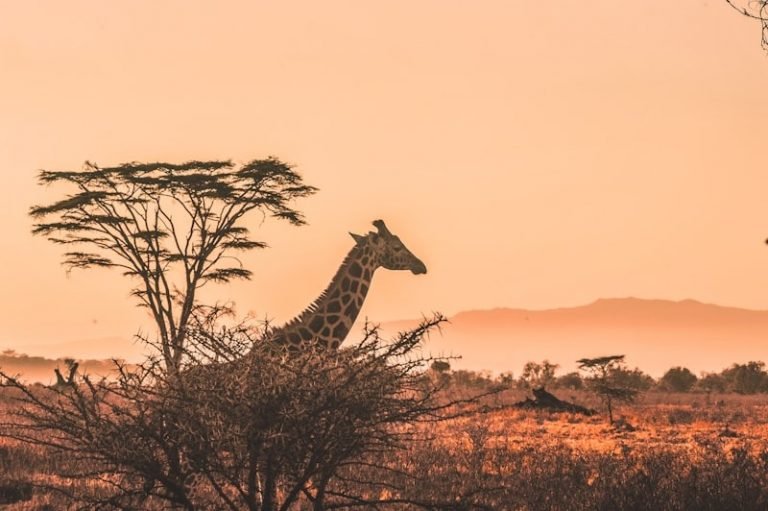
- Giraffes browsing on tree leaves.
- Zebras grazing in open grasslands.
- Buffaloes feeding in wetlands.
- Hippos grazing at night.
- Chimpanzees searching for fruits in forests.
- Mountain gorillas feeding on leaves, stems and other vegetation.
These activities are part of the natural behaviour of wildlife.
Visitors should never throw food to animals, attempt to attract them with snacks or approach them to provide food.
Why Feeding Wild Animals Can Be Harmful
1. It changes natural feeding behaviour
Animals that regularly receive food from people may begin to associate humans with food instead of relying on natural feeding patterns.
2. It can cause nutritional problems
Human foods may contain ingredients that are unsuitable for wild animals. Even seemingly harmless foods can affect their health.
3. It can encourage dangerous behaviour
Animals that become accustomed to human food may approach vehicles, campsites and visitors, creating safety risks.
4. It can increase disease transmission
Close contact between people and wildlife can expose animals to diseases, particularly primates that are biologically close to humans.
5. It can disrupt conservation efforts
Wild animals need to maintain their natural behaviours to survive and reproduce successfully in their ecosystems.
For these reasons, responsible wildlife tourism means allowing wild animals to feed naturally while supporting professionally managed animal-care programmes.
8. Best Places for Wildlife Feeding and Animal-Care Experiences in Uganda
The following comparison can help travelers decide which experiences best suit their interests.
| Destination | Main Experience | Best For |
|---|---|---|
| Entebbe Zoo (UWEC) | Behind-the-scenes animal care and approved feeding-related activities | Families and wildlife enthusiasts |
| Ngamba Island | Observing rescued chimpanzees during feeding sessions | Primate lovers and conservation travellers |
| Uganda Reptile Village | Reptile education and conservation awareness | Reptile enthusiasts |
| Mabamba Wetland | Observing shoebills and other birds feeding naturally | Birdwatchers and photographers |
| Entebbe Botanical Gardens | Observing monkeys and birds in a green environment | Nature lovers |
| CTC Conservation Centre | Guided wildlife learning and approved animal encounters | Visitors near Kampala |
9. When Is the Best Time to Enjoy Wildlife Feeding Experiences in Uganda?
Uganda can be visited throughout the year, and most organised wildlife education experiences are not restricted to a particular safari season.
However, the best time for your visit depends on the activity you want to enjoy.
January to February
These months can be suitable for visitors who want to combine Entebbe wildlife experiences with safaris in Uganda’s national parks.
March to May
This is one of Uganda’s wetter periods. Rain may affect some outdoor excursions, especially canoe trips and nature walks, so flexible planning is recommended.
June to September
These months are generally popular for Uganda safaris. They are also suitable for combining wildlife education experiences with gorilla trekking, chimpanzee tracking and game drives.
October to December
The final months of the year provide another opportunity to enjoy Uganda’s wildlife attractions. Visitors should consider occasional rainfall when planning wetland and outdoor activities.
Important: The availability of special animal feeding and behind-the-scenes programmes depends on the individual centre, animal welfare conditions, staff schedules and advance reservations. Always confirm the programme before travelling.
10. How to Combine Wildlife Feeding Activities with a Uganda Safari
One of the best ways to experience Uganda is to combine a short wildlife education excursion with a longer safari.
For visitors arriving through Entebbe International Airport, the nearby attractions provide an excellent introduction to Uganda’s natural heritage.
Here are some recommended combinations:
Option A: Entebbe Wildlife and Chimpanzee Experience – 2 Days / 1 Night
Day 1:
- Visit Entebbe Zoo.
- Enjoy the Behind-the-Scenes experience.
- Learn about animal feeding and wildlife care.
- Relax at the shores of Lake Victoria.
Day 2:
- Travel by boat to Ngamba Island.
- Observe rescued chimpanzees during a scheduled feeding session.
- Learn about chimpanzee conservation.
- Return to Entebbe.
Option B: Kampala, Entebbe and Mabamba Wildlife Experience – 2 Days / 1 Night
Day 1:
- Explore Kampala.
- Visit Entebbe Zoo.
- Enjoy an educational wildlife experience.
- Overnight in Entebbe.
Day 2:
- Take an early morning canoe excursion to Mabamba Wetland.
- Search for the shoebill stork.
- Enjoy birdwatching and photography.
- Return to Entebbe.
Option C: Uganda Wildlife and Primate Safari – 5 Days / 4 Nights
For visitors with more time, wildlife education activities can be combined with Uganda’s natural forests and savannah ecosystems.
A possible itinerary includes:
- Entebbe wildlife and conservation experience.
- Ngamba Island chimpanzee feeding observation.
- Kibale Forest chimpanzee tracking.
- Queen Elizabeth National Park game drives.
- Kazinga Channel boat cruise.
This combination allows travelers to understand the difference between rescued wildlife in managed care and wild animals living freely in protected ecosystems.
For travelers interested in extending their journey, explore our Uganda safari experiences with Sankofa Afrika Safaris.
11. Responsible Wildlife Tourism: How Visitors Can Support Conservation in Uganda
Wildlife tourism can make an important contribution to conservation when visitors choose responsible experiences and support organisations working to protect animals and their habitats.
When planning an animal-feeding or wildlife-care experience, consider the following:
- Choose established wildlife conservation centres.
- Book special programmes directly through official organisations or trusted tour operators.
- Never bring your own food to feed wildlife.
- Follow instructions from animal keepers and guides.
- Avoid touching or handling animals unless explicitly authorised.
- Do not encourage animals to approach you for photographs.
- Respect animal space, feeding routines and resting periods.
- Avoid activities that cause distress or force unnatural animal behaviour.
- Support conservation organisations through responsible tourism and donations.
The most meaningful wildlife experience is not necessarily the one that allows the closest physical contact. It is the one that helps visitors understand wildlife while protecting the animals’ well-being.
Frequently Asked Questions About Feeding Wildlife in Uganda
1. Where can I feed animals in Uganda?
The Uganda Wildlife Conservation Education Centre in Entebbe offers special programmes that introduce visitors to animal care and approved close-up wildlife experiences. Specific feeding opportunities depend on the current programme and animal welfare requirements.
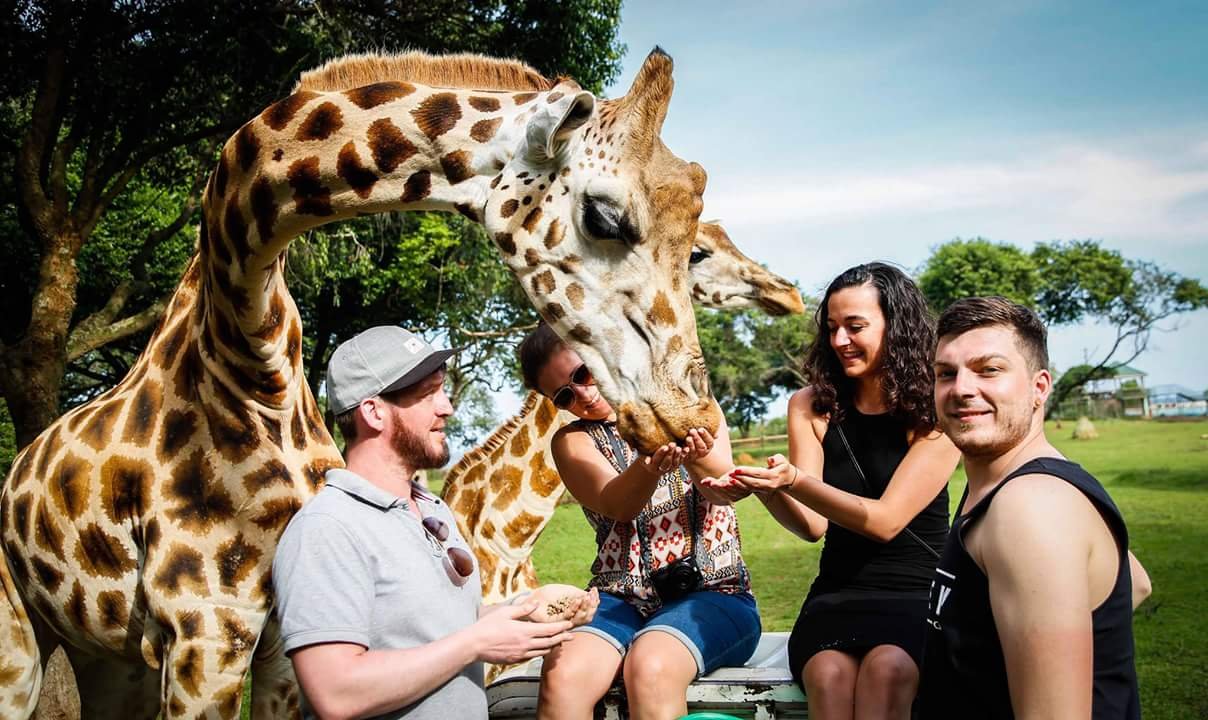
2. Can tourists feed giraffes at Entebbe Zoo?
UWEC offers special behind-the-scenes and animal-care programmes. Some feeding-related interactions may be available depending on the approved activities at the time of your visit. Contact the centre before booking to confirm whether giraffe feeding is available on your preferred date.
3. Can visitors feed chimpanzees at Ngamba Island?
Visitors can observe scheduled chimpanzee feeding sessions from the designated viewing platform. The feeding is managed by sanctuary staff; it is not an independent visitor feeding or handling activity.
4. Is Entebbe Zoo suitable for children?
Yes. UWEC is a useful educational destination for families and school groups. Children can learn about different wildlife species, conservation and animal care. Special programmes may have age requirements, so confirm these before booking.
5. Can I feed monkeys in Uganda?
Visitors should not feed wild monkeys in national parks, forests, botanical gardens or other natural habitats. Feeding can encourage dependence on human food, increase conflict and expose animals to disease.
6. Can I combine Entebbe Zoo with Ngamba Island?
Yes. Both attractions are accessible from Entebbe and can be included in a multi-day itinerary. However, Ngamba Island requires a boat transfer and advance booking, so it is important to organise the schedule carefully.
7. Is wildlife feeding available throughout the year?
Many visitor programmes operate throughout the year, but individual activities depend on availability, animal welfare and staff arrangements. Confirm your preferred experience with the attraction before travelling.
8. What is the difference between wildlife feeding and wildlife viewing?
Wildlife feeding involves an approved animal-care activity in which trained staff manage the food and feeding process. Wildlife viewing involves observing animals without interfering with their natural behaviour. In national parks, wildlife viewing is the appropriate approach for tourists.
Plan Your Uganda Wildlife Experience with Sankofa Afrika Safaris
Uganda offers extraordinary opportunities to connect with wildlife, from observing chimpanzees at Ngamba Island to learning about animal care at Entebbe Zoo and watching the shoebill hunt in the Mabamba wetlands.
Whether you are planning a short Entebbe excursion, a family wildlife holiday, an educational tour or a longer Uganda safari, Sankofa Afrika Safaris can help organise a personalised experience around your interests.
As a local expert tour operator, we arrange wildlife, primate, cultural and adventure experiences across Uganda and East Africa. Our goal is to connect visitors with meaningful experiences while promoting responsible tourism and supporting local conservation initiatives.
Explore our Uganda safari planning services or visit Sankofa Afrika Safaris to start planning your journey.
Discover Africa. Experience the Wild. Travel With Purpose.
Wildlife. Conservation. Education. Unforgettable Memories.
References and Further Reading
For accurate information about animal-care programmes, visitor arrangements and conservation work, consult these official organisations: