

4 Days Rwenzori Mountains & Bakonzo Cultural Experience
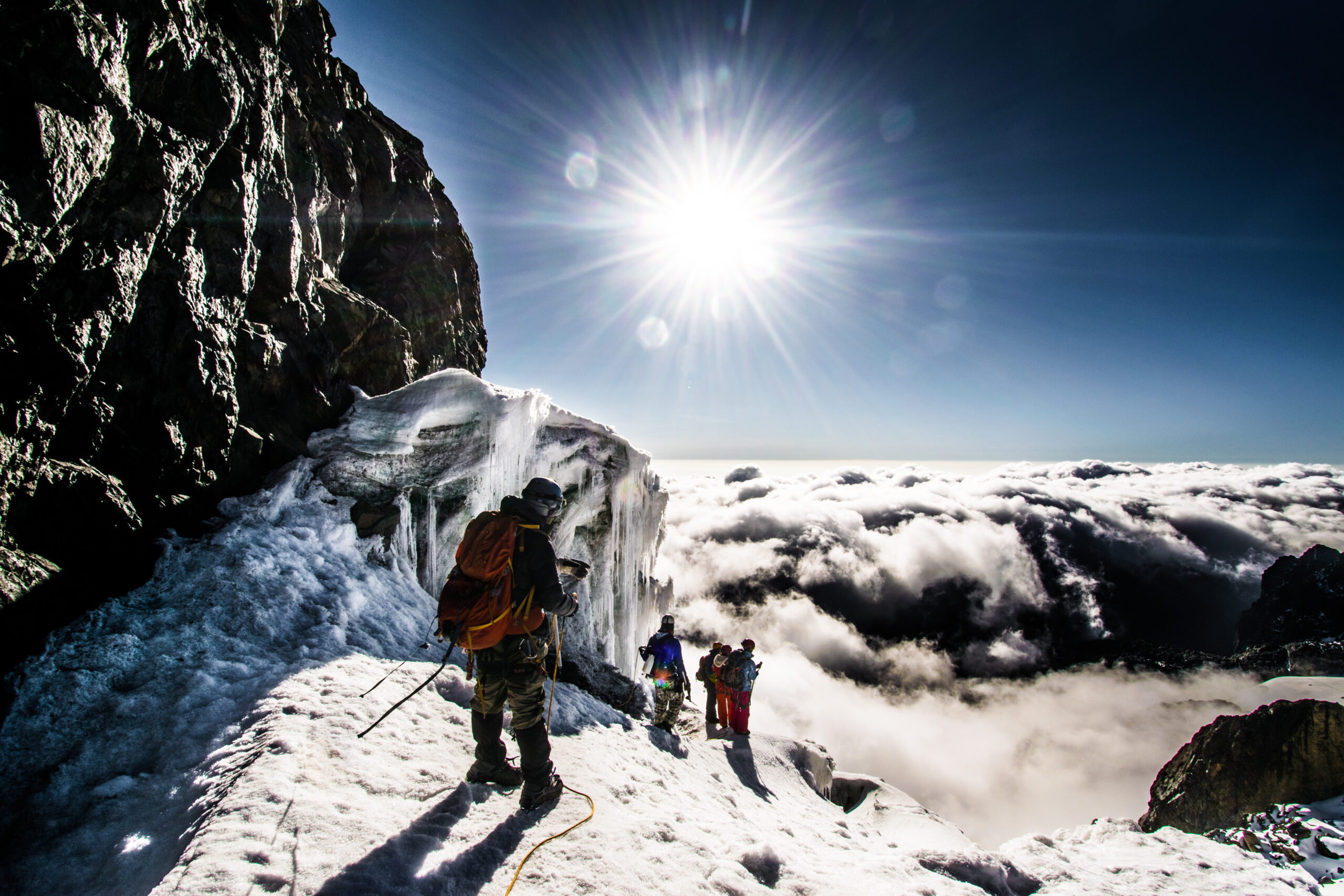
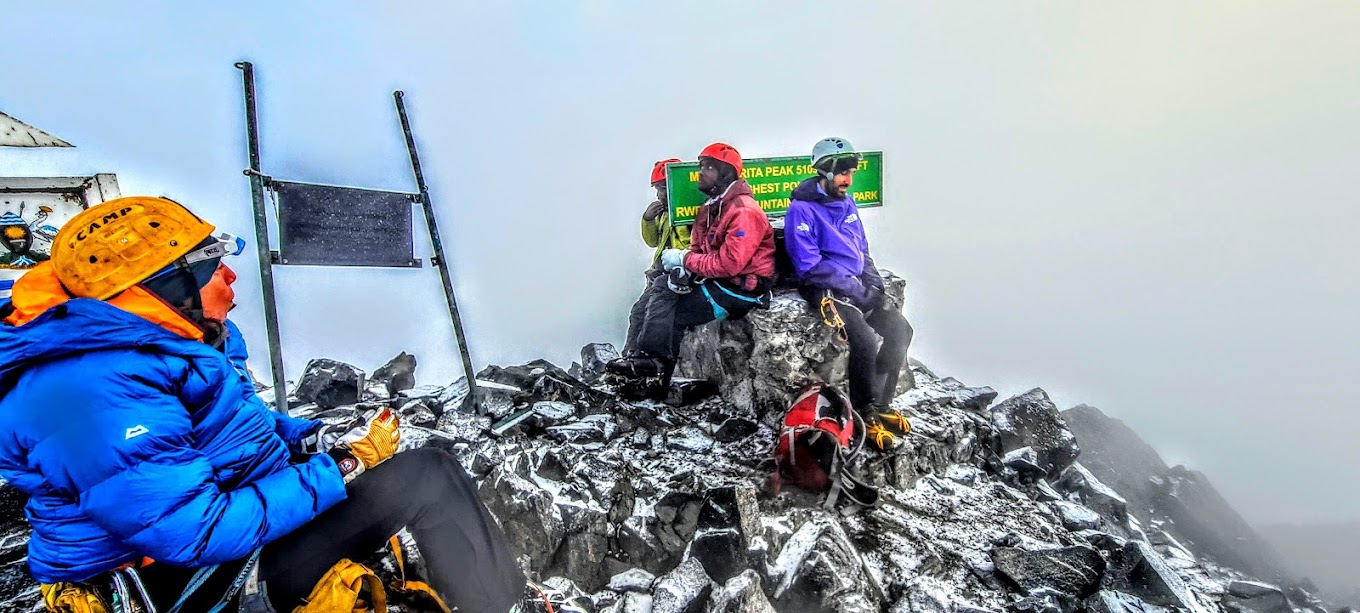
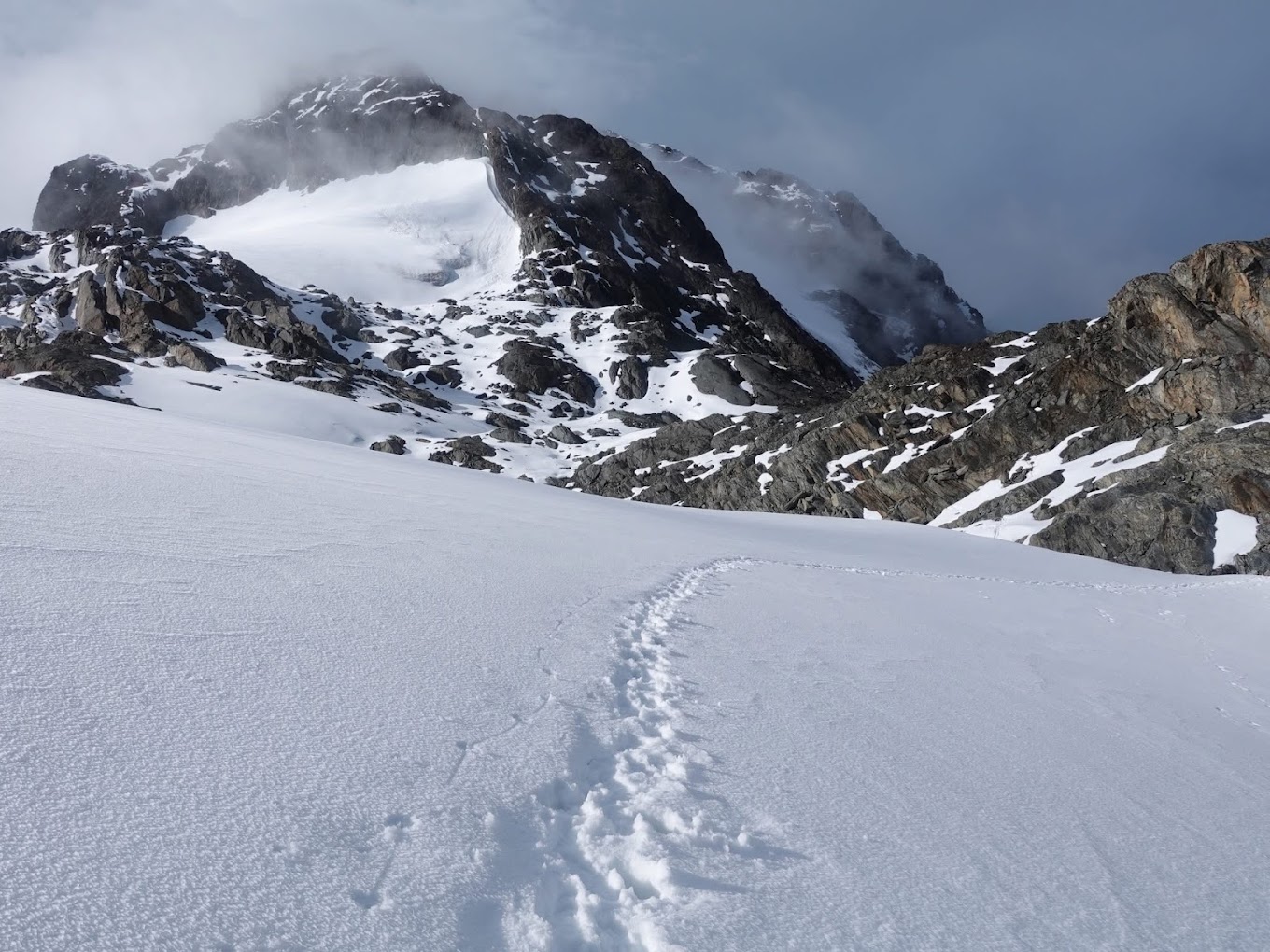
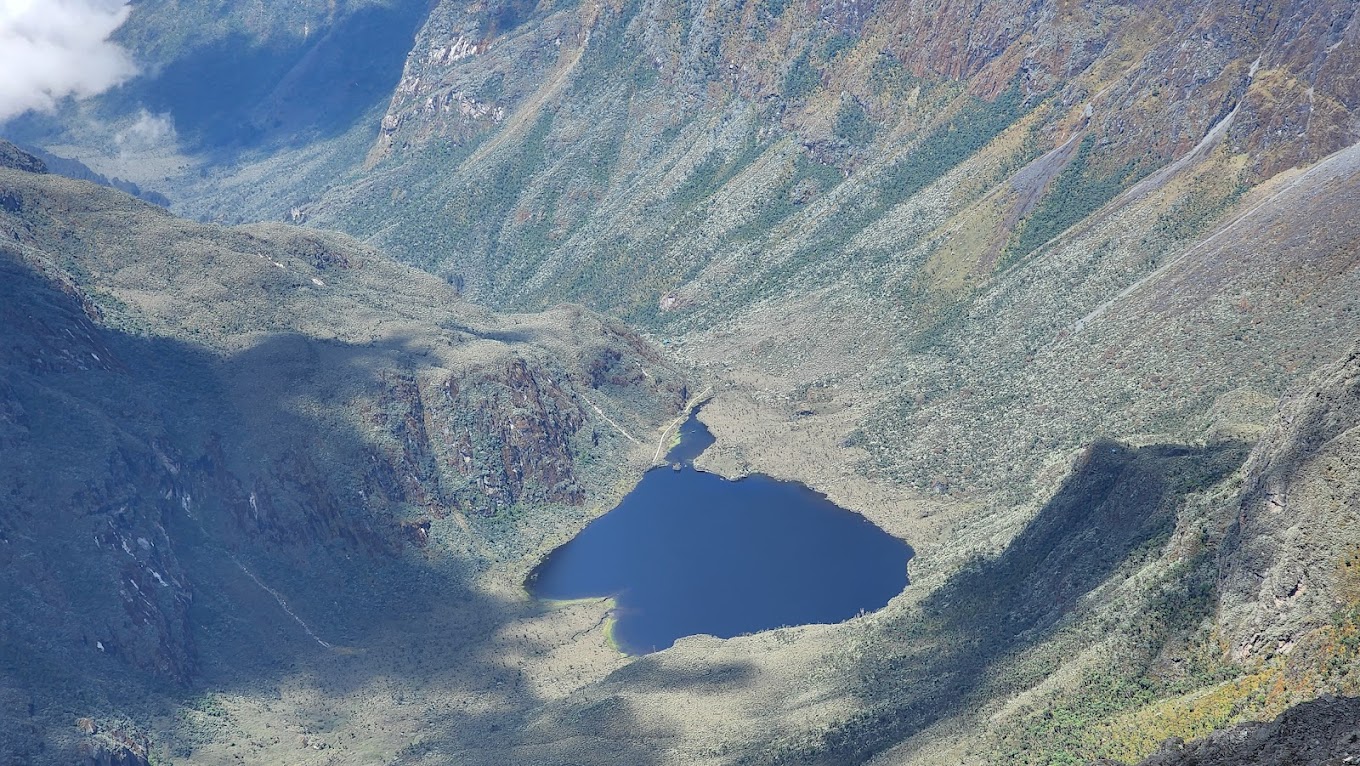
The Rwenzori Mountains — known since antiquity as the "Mountains of the Moon" — rise dramatically from the western rift of Uganda into a realm of glaciers, ancient forest, and cloud-wrapped ridgelines that have defined the landscape and the imagination of the Bakonzo people for generations. This four-day cultural and soft-adventure experience takes you from Kampala into the foothills of one of Africa's most mythologised mountain ranges, where you will trek through farmland, forest, and waterfall country, sleep in a community lodge surrounded by mountain views, share meals and stories with Bakonzo families, and leave with an understanding of what it means to live alongside one of the world's most extraordinary natural environments — arranged from start to finish by Sankofa Africa Safaris.
An early departure from Kampala sets the tone for the days ahead — the six to seven hour drive west to Kasese is itself a journey worth making slowly, with the Ugandan countryside unfolding through tea plantations, crater lakes, and the rising profile of the Rwenzori range as it gradually fills the horizon ahead. En route stops for refreshments and photography allow you to absorb the changing landscape at a relaxed pace: the equatorial light on the hills of western Uganda, the red-earth roads through farming communities, and the first glimpses of the snow-capped Rwenzori peaks appearing above the cloud line provide an extended visual introduction to where you are going and why it matters.
Arrival in Kasese is followed by an orientation and formal welcome from members of the local Bakonzo community — one of Uganda's most culturally distinct peoples, whose identity, cosmology, and traditional governance have been shaped over centuries by their intimate coexistence with the Rwenzori Mountains. Your community guide introduces the programme for the following three days and the principles that guide it: respectful engagement, reciprocal exchange, and an understanding of the Bakonzo world on its own terms rather than through an external lens. The evening's storytelling session — conducted over a traditional dinner of local dishes prepared in the community lodge — opens a window into Bakonzo oral tradition, with the mountains as ever-present characters in stories that have been passed from generation to generation within earshot of their peaks.
The morning begins with a guided trek into the Rwenzori foothills — a walk through one of Uganda's most visually spectacular landscapes, where cultivated terraces give way to stream-crossed forest paths, and the peaks above shift in and out of their daily cloud cover to reveal tantalising glimpses of the permanent snowfields that have astonished travellers since the ancient world. Your local guide navigates the trails with the intimate knowledge of someone who grew up within this landscape — pointing out medicinal plants used in Bakonzo traditional healing, explaining the farming practices that transform steep hillsides into productive terraced gardens, and pausing at waterfalls where the water descends from the glacial zones above in braided silver threads through dense forest ferns and moss-covered boulders.
A picnic lunch in the foothills — with the mountain panorama spread out behind you and the valleys of western Uganda visible far below — is the kind of simple moment that stays with travellers far longer than planned excursions. The afternoon visit to the Ruboni Community Craft Centre introduces you to the skilled artisans who produce woven baskets, carved wooden pieces, and traditional beadwork using materials and techniques that carry deep cultural significance within the Bakonzo tradition. The artisans work while they talk — your guide interpreting the commentary on what each pattern means, which materials come from which part of the forest, and how the craft practices connect to ceremonies and rites of passage that remain central to Bakonzo community life. Purchases made directly at the centre support the artisans and the broader community initiatives that Sankofa Africa Safaris is partnered with in the region.
Today is the fullest and most immersive day of the experience — a complete engagement with Bakonzo domestic and ceremonial life that moves through cooking, dance, farming, and the remarkable tradition of salt extraction at Lake Katwe. The morning begins in the community kitchen: Bakonzo women guide you through the preparation of traditional dishes using locally grown ingredients — matoke, groundnut stew, sorghum porridge — with the kind of good-humoured instruction that crosses every language barrier. The cooking session is not a performance but a genuine participation in daily domestic practice, and the shared meal that follows it is eaten with the families whose kitchen it is, around a table where conversation — mediated by your guide — flows between the practical and the philosophical.
Traditional Bakonzo dance follows the meal — a communal practice whose rhythms, costumes, and movements encode history and social values in physical form. Community members of all ages participate, and guests are inevitably drawn in, to general collective delight. The afternoon is dedicated to Lake Katwe — a volcanic crater lake whose extraordinary concentration of mineral salts has been harvested by communities in this region for centuries, providing a trade resource and a livelihood that connects the present community directly to their pre-colonial ancestors. The salt extraction process — manual, labour-intensive, and performed with the precision of long-practised knowledge — is explained in full by the workers themselves, and the lake's otherworldly landscape of ochre and white mineral deposits against the deep water makes it one of the most photographically compelling environments in western Uganda. The optional afternoon photography session in the surrounding villages and with the mountain backdrops in evening light is the ideal close to the expedition's most culturally concentrated day.
The final morning in Kasese is unhurried — a last guided walk through the surrounding village or along the lower forest trails, where the Rwenzori peaks catch the early morning light with particular clarity before the day's cloud builds across the slopes. The walk is a gentle re-engagement with the landscape that has structured the preceding three days, and the familiarity that comes from having been in a place long enough to begin recognising its rhythms — the sounds of the morning, the people going about their routines, the light on the mountains — gives this final walk a quality of belonging that a first-day orientation cannot replicate.
A farewell breakfast with community members marks the formal close of the cultural immersion, and the leave-taking is typically warm and genuinely felt on both sides — these exchanges between travellers and Bakonzo community members are designed from the outset to be reciprocal rather than transactional, and by the final morning that intention has almost always become a reality. The return drive to Kampala traces the same spectacular western Ugandan landscape in reverse, with stops for photography and refreshments along the route, arriving back in the capital in the late afternoon. The Rwenzori Mountains have a way of staying present long after you leave them — the people who live in their shadow, and the stories those people carry, are the reason.
| Group Size | Price per Person | Notes |
|---|---|---|
| Solo (1 pax) | $560 | Exclusive private guide & transport |
| 2 people | $390 | Shared transport; most popular option |
| 3 people | $330 | Strong per-person saving vs. solo |
| 4 people | $310 | Ideal group size for community visits |
| 5 people | $290 | Maximum shared efficiency |
| 6 people | $275 | Lowest per-head rate; full immersion group |
Prices include private 4×4 transport and fuel (full itinerary), 3 nights full-board accommodation at community lodge, all guided hikes and cultural experiences with local facilitators, community project support fees, bottled water throughout, and all local taxes. Excludes international flights, visas, travel and medical insurance, tips, alcoholic drinks, personal expenses, and optional activities not listed in the itinerary.