
8-Day Katavi Remote Wilderness Safari
Fly into one of Tanzania's most remote national parks for six days among huge buffalo herds, hippos, lions and almost no other visitors. For travellers who have done the classic parks and want something wilder.
Tour Overview
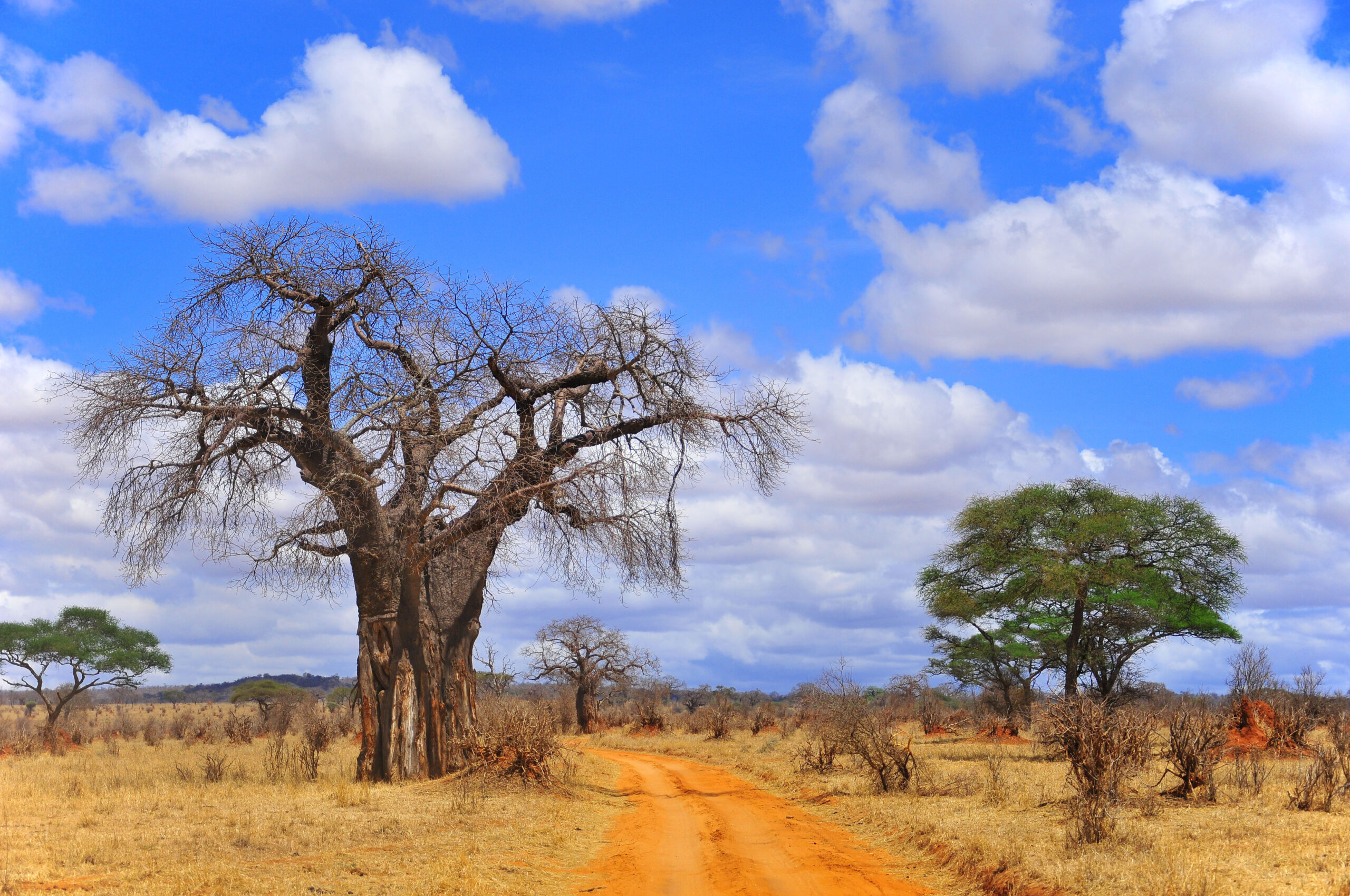
Katavi sits in the far west of Tanzania, far beyond the northern circuit, and very few people visit. In the dry season its floodplains and shrinking lakes pull in huge herds of buffalo, big pods of hippos and plenty of predators. You fly in from Dar es Salaam, spend six days exploring with your guide, and fly out. With so few other vehicles, you can stay with a sighting for as long as you like.
Trip Highlights
Huge Buffalo Herds
Herds of a thousand or more cross the open floodplains, with lions often hunting among them.
Lake Katavi & Lake Chada
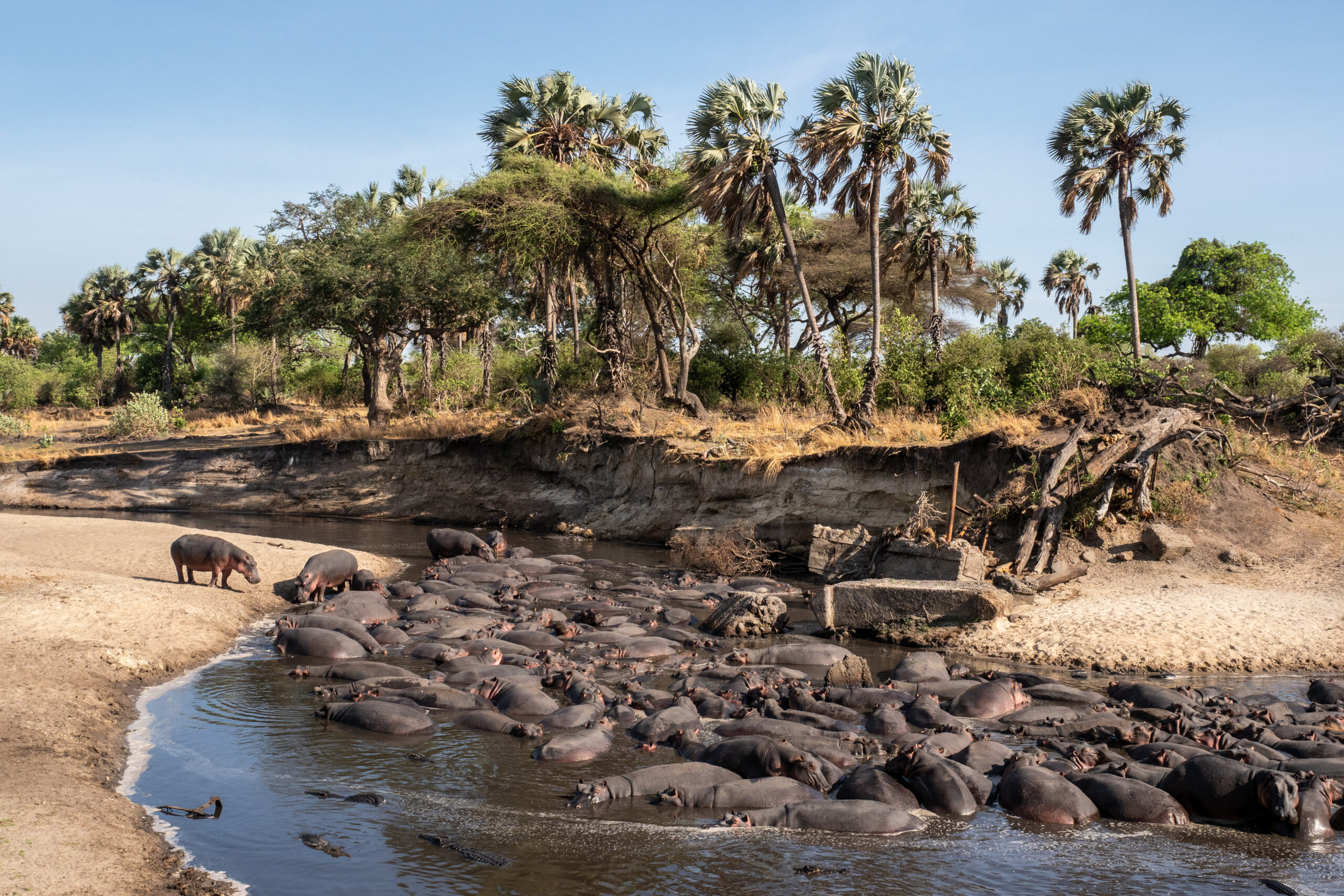
In the dry season the shrinking lakes crowd hippos, crocodiles and waterbirds together.
A Day Tracking Predators
Follow lions and leopards with no time pressure and few other vehicles around.
Fly-In, Fully Included
Return flights, camps, meals and park fees are all in the price.
Plan Your Katavi Safari
Camps are small and access is seasonal, so book early. Tell us your dates and group size and we'll confirm availability and send you a quote.
Day-by-Day Itinerary
Dar es Salaam → Fly to Katavi
You fly from Dar es Salaam in a scheduled light aircraft. Below you the coast gives way to the central plateau and then to miombo woodland and the pale floodplains of the far west. There are no towns and no roads, and the remoteness shows from the air.
You land on Katavi's bush airstrip and transfer straight to camp. After lunch and a rest, an afternoon game drive takes you onto the open floodplains. Buffalo herds in the hundreds, elephant family groups along the treeline and animals clustered around the remaining water give you a taste of the days ahead.
- Light aircraft flight to Katavi's bush airstrip
- Lunch and rest at camp
- Afternoon game drive on the floodplains
Full Day on the Plains
Start with an early breakfast and spend the whole day in the park. Your guide follows the animals rather than a fixed route. In the dry season that often means lion prides hunting among huge buffalo herds, hyenas and vultures at a kill, and buffalo concentrations that can run past a thousand animals in a single view.
Lunch is a picnic in the bush, at a spot overlooking water or the plain, so you lose no time in the best areas. You return to camp in the late afternoon as the floodplain turns gold. Expect buffalo, elephant, lion, leopard, giraffe, zebra, spotted hyena and puku antelope.
- Dawn game drive
- Picnic lunch in the field
- Evening return as the animals move to water
Lake Katavi & Lake Chada
Spend the morning at Katavi's seasonal lakes. As the water drops through the dry season, the animals that rely on it are squeezed into a smaller and smaller area. You'll see hippo pods in the hundreds, big Nile crocodiles basking on the banks, and pelicans, storks and herons crowding the shallows. Your guide explains how the lake system works, which makes it even more interesting.
Return to camp for lunch and a midday rest. In the afternoon, take an optional short drive or just watch the wildlife from the camp veranda as the day cools.
- Morning at Lake Katavi and Lake Chada
- Lunch and rest at camp
- Optional afternoon drive
Predator Tracking Day
Today is all about predators. Katavi has a huge prey base and few visitors, so it's one of the best places in East Africa to watch them. Your guide leaves early and uses what you've learned over the past days: where the prides were last seen, where there's fresh leopard sign and where the hyenas were moving at dusk. Lions here are known for their encounters with the big buffalo herds.
With few other vehicles around, your guide can park up and wait. You might watch a pride resting through the morning heat, a leopard walking a dry riverbed at last light or a hunt on the open floodplain. A picnic lunch in the field keeps the day unbroken.
- Early start to track lions and leopards
- As long as you like at each sighting
- Picnic lunch in the field
Remote Wilderness Exploration
Today your guide takes you to Katavi's more remote areas, which see almost no visitors. There is no fixed programme. Your guide follows fresh lion tracks into the miombo, positions you to intercept a big buffalo herd or stays with a rare wild dog sighting if one turns up. In these quiet areas, the animals often ignore the vehicle completely.
- Guide-led day, following the wildlife
- Remote areas of the park
- Picnic lunch in the field
Leisure Day & Farewell Campfire
Today is relaxed and up to you. Take an early game drive, a photography-focused outing or a quiet morning at camp. The camps sit close to water and wildlife corridors, so you can often watch elephants, giraffe and antelope without leaving camp.
The afternoon is free. In the evening, enjoy a farewell dinner around the campfire. Far from any city, the sky is dark and full of stars.
- Short drive, photography outing or quiet morning at camp
- Free afternoon
- Farewell campfire dinner
Final Morning Game Drive
Set out at dawn for a last drive. The floodplain comes out of the darkness, hippos return from their night grazing, buffalo columns move to water and the predators make their last moves before the heat. Your guide uses what the group has learned over the week to make the most of it. Back at camp for brunch, you spend the afternoon packing, reviewing photos and enjoying the quiet.
- Dawn game drive
- Brunch at camp
- Free afternoon
Fly Katavi → Dar es Salaam
After an early breakfast, transfer to the airstrip for your scheduled light aircraft flight back to Dar es Salaam. You arrive in the late afternoon.
- Transfer to the bush airstrip
- Light aircraft flight to Dar es Salaam
What's Included
Included
- Return scheduled light aircraft flights, Dar es Salaam – Katavi
- 7 nights safari camp or tented lodge
- Full board
- All game drives as listed
- Picnic lunches in the field
- Professional safari guides throughout
- All park and conservation fees
- Bottled drinking water throughout
- Local taxes
Excluded
- International flights and visas
- Travel and medical insurance
- Activities not listed above
- Tips for guides and camp staff
- Alcohol and premium drinks
- Personal expenses
Price Per Person
| Group Size | Price per Person | Notes |
|---|---|---|
| 1 traveller | $6,950 | Single supplement applies |
| 2 travellers | $5,250 | Per person |
| 3 travellers | $4,750 | Per person |
| 4 travellers | $4,450 | Per person |
| 5 travellers | $4,250 | Per person |
| 6 travellers | $4,050 | Best group value |
Before You Book
Good to Know
- When to go: June to October (dry season) is when animals crowd onto the floodplains and lakes. In the wet season some camps close and access can be very limited. Contact us well in advance to confirm camp availability.
- Flights: Bag limit is typically 15 kg per person in a soft-sided bag. Hard cases can't go on bush flights.
- Where you'll stay: Katavi Wildlife Camp, Chada Katavi Camp or Katuma Bush Lodge, depending on availability. The camps are comfortable but deliberately simple. You come for the wilderness, not the amenities.
- What to pack: Neutral clothing (khaki, olive, tan) and no white, bright colours or camouflage. Bring insect repellent, binoculars and a long telephoto lens for predators and herds.
- Health: Antimalarial precautions are strongly advised. Check with a travel clinic before you leave.
- Best suited to: Experienced safari travellers who want raw wilderness over polished infrastructure.