

7-Day Walking & Camel Safari in Laikipia
Walk the Laikipia Plateau with trackers and a guide, then travel on foot beside camels that carry your gear to a mobile fly-camp. Scheduled flights from Nairobi are included.
Tour Overview
Laikipia is one of Kenya's most important conservation landscapes. Private and community conservancies protect wildlife across open plains, acacia woodland and river valleys with no fences between them. This trip is about moving through it slowly, on foot. You fly from Nairobi to Laikipia, spend two days on guided walks from camp, then travel for three days with a camel caravan, sleeping in a mobile fly-camp. The last day or so focuses on the community conservancy model and a visit to a local conservation project. Departures are private, so it is just your own group, guide, trackers and camel handlers.
Trip Highlights
Walking with trackers
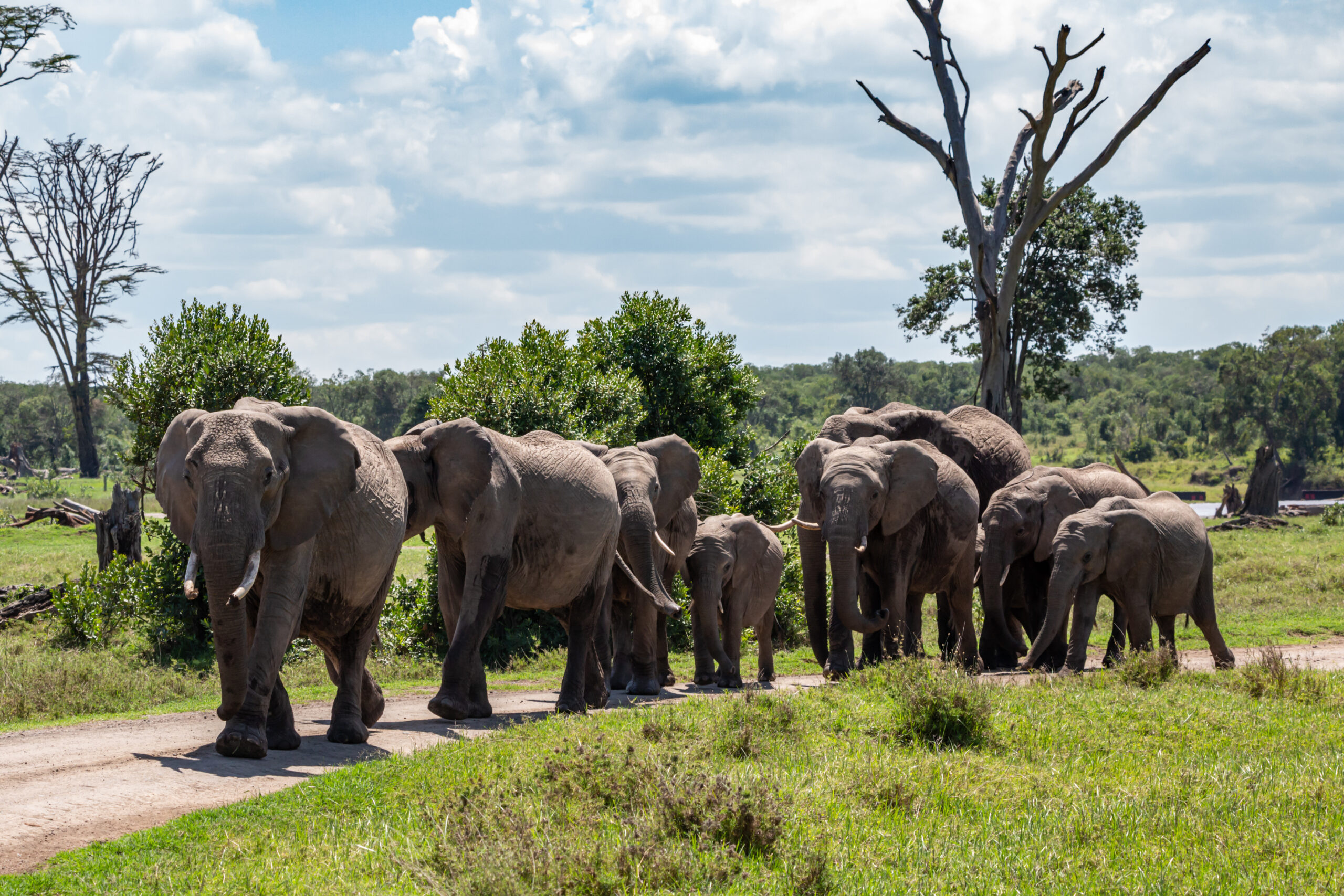
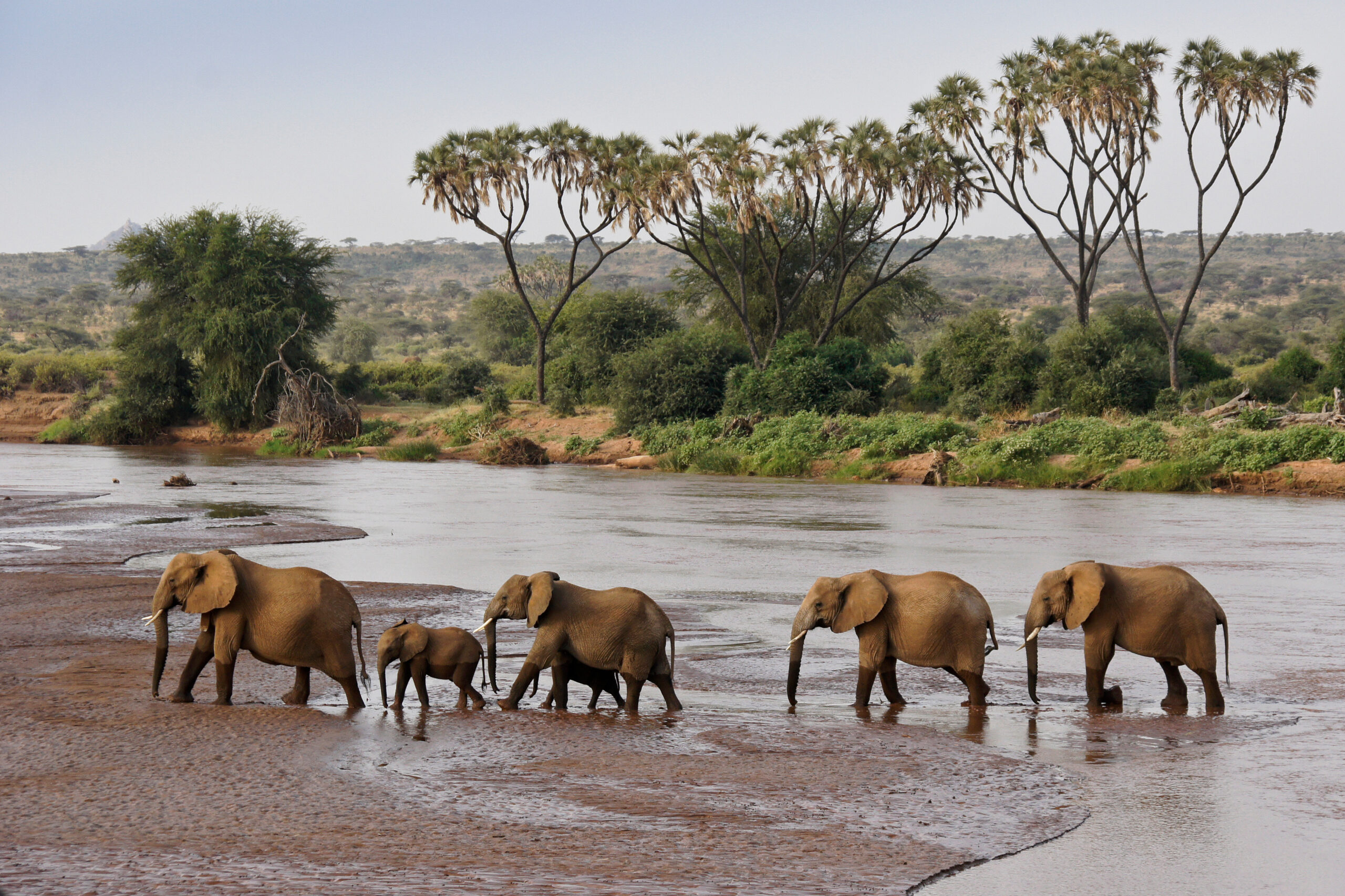
Learn to read prints, scat and browsing signs. The wildlife includes elephant, reticulated giraffe, Grevy's zebra, lion and wild dog.
Camel-supported travel
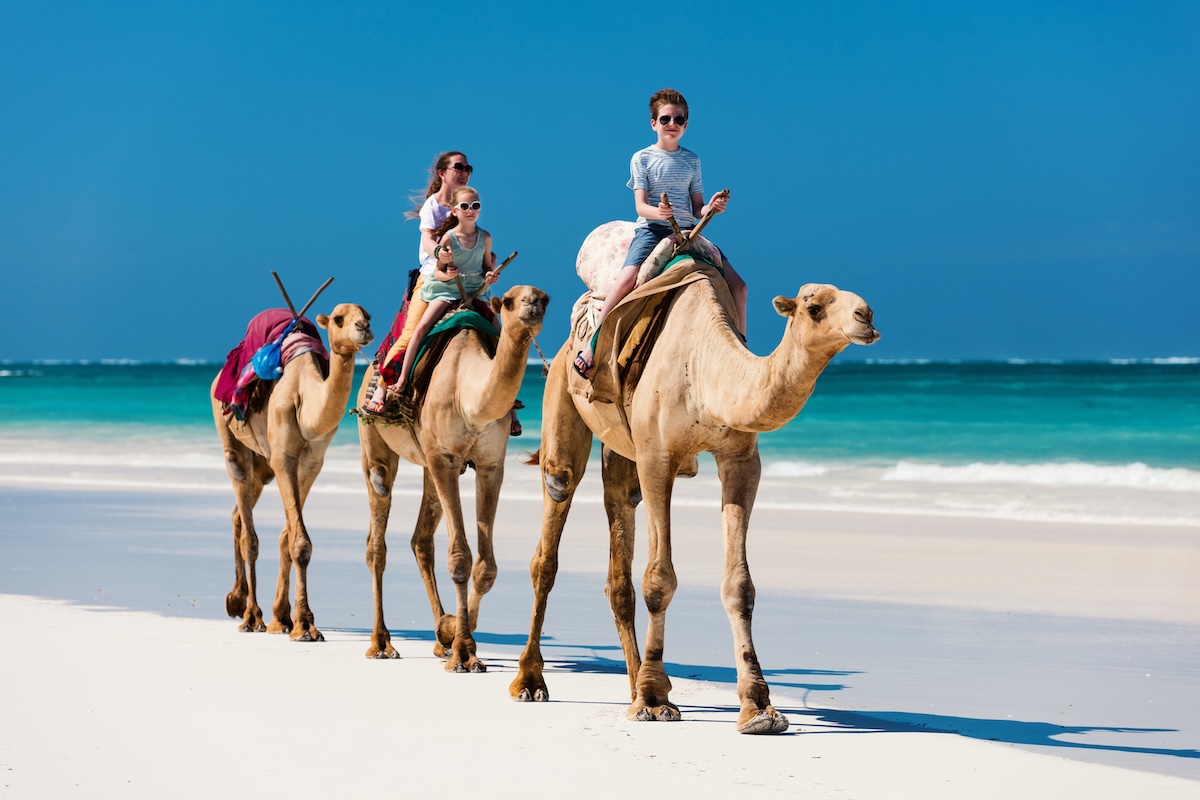
The camels carry your supplies, water and equipment, so you walk without a pack along routes vehicles rarely reach.
Mobile fly-camp
Two nights in a simple canvas camp set up ahead of you, under an open Laikipia sky.
Community conservation
See how Maasai and Samburu pastoralists and wildlife share the land, and visit a local conservation project.
Plan Your Laikipia Safari
Tell us your dates and group size. We'll confirm availability and send you a quote.
Day-by-Day Itinerary
Nairobi to the Laikipia Plateau
You arrive at Jomo Kenyatta International Airport in Nairobi and transfer across the city to Wilson Airport for a scheduled domestic flight west to Laikipia. Your guide meets you on landing and takes you straight to camp.
The afternoon is a gentle walk around the camp perimeter. It is a first chance to tune in to the landscape, the sounds and the pace of a walking safari. Over dinner your guide briefs you on walking safety, the days ahead and how camel-supported travel works.
- Transfer to Wilson Airport and flight to Laikipia
- Introductory walk around camp
- Walking safety briefing at dinner
Walking Safari on the Laikipia Plateau
After an early breakfast you set out with your Laikipia guide and trackers. The aim is depth, not distance. You learn to read prints, scat, browsing patterns and worn paths through the grass, and your guide explains the behaviour of the plateau's wildlife. Elephant, reticulated giraffe, Grevy's zebra, lion, wild dog and more than 400 bird species live here. Your guide also points out medicinal plants, acacia species and landscape features.
You return to camp for lunch and rest through the midday heat. In the afternoon you can take a short optional walk or simply watch the light change over the plateau.
- Morning walk with guide and trackers
- Lunch and midday rest at camp
- Optional afternoon walk
Camel Safari into the Wilderness
After breakfast the camel caravan sets out. The camels carry all supplies, water and equipment, so you walk freely beside the handlers and guides. The route crosses remote parts of the plateau that vehicles rarely reach, through open grassland and river valleys. People have travelled this land at this pace for generations.
On foot, wildlife encounters feel closer and more direct than from a vehicle, and your trackers read the ground ahead. The camp crew goes ahead of you, and in the afternoon you reach your mobile fly-camp, already set up with canvas and cots under the open sky.
- Camel caravan through remote terrain
- Walking with trackers
- Arrival at the mobile fly-camp
Full Wilderness Day by Camel and on Foot
This is the middle of the trip, and the day guests often remember best. In the morning you walk across open terrain, following wildlife sign and stopping wherever something catches your attention, with the camels following behind.
Your guide explains how Maasai and Samburu pastoralists share the land with wildlife, and how community conservancies make that arrangement work for both. Lunch is in the shade of acacia trees, and the afternoon walk continues at the same slow pace. In the evening the crew lights the fire and you sit under a very dark, clear sky.
- Morning and afternoon walks with trackers
- Lunch under the acacias
- Campfire evening at the fly-camp
Return to the Permanent Camp
You start with a last walk from the fly-camp while the crew breaks camp. The camels carry the equipment, and the return route covers different ground where possible, so you see the plateau from a new direction.
You reach the permanent camp in the early afternoon, with a hot shower and a proper chair waiting. The rest of the day is free. You can rest, write, watch birds from camp, or do nothing at all.
- Morning walk and camel return
- Hot showers at the permanent camp
- Afternoon at leisure
Conservation and Community Experience
Today is about the people and systems behind the landscape. The morning is a guided walk or short game drive on conservation: ranger patrols, wildlife monitoring, the species that have recovered under community protection, and how local livelihoods are tied to keeping wildlife alive.
In the afternoon you visit a nearby community or conservation project and meet people who live alongside the wildlife. You hear about the choices and trade-offs they deal with every day. Your farewell dinner is in camp.
- Conservation-focused walk or game drive
- Visit to a community or conservation project
- Farewell dinner
Laikipia to Nairobi and Departure
After an early breakfast you transfer to the Laikipia airstrip for the scheduled flight to Nairobi. On landing at Wilson Airport, a private vehicle takes you across the city to Jomo Kenyatta International Airport for your onward flight.
- Airstrip transfer and flight to Nairobi
- Private transfer to Jomo Kenyatta Airport
What's Included
Included
- All scheduled domestic flights
- Private guiding team and camel handlers
- Full support crew throughout
- 6 nights in eco-lodges, tented camps and a fly-camp
- All meals as per the itinerary (full board)
- Walking safaris and camel safari
- Conservation and community visits
- Bottled water during all activities
- Local taxes and levies
Excluded
- International flights
- Visas and travel insurance
- Tips and guide gratuities
- Alcohol and premium drinks
- Personal expenses and souvenirs
- Optional activities not listed
Price Per Person
| Group Size | Price per Person | Notes |
|---|---|---|
| 1 person | $6,850 | Solo traveller rate |
| 2 people | $5,250 | Per person |
| 3 people | $4,650 | Per person |
| 4 people | $4,250 | Per person |
| 5 people | $4,050 | Per person |
| 6 people | $3,900 | Best group value |
Before You Book
Good to Know
- The walking: It is easy to moderate, with no technical trekking. The pace is slow, and you rest at camp through the midday heat.
- The camels: They carry all luggage, supplies, water and equipment, so you walk without a heavy pack.
- The flights: Scheduled domestic flights between Wilson Airport in Nairobi and Laikipia are included in both directions.
- When to go: June to October and January to March are the best months. Private departures run all year.
Ready for Laikipia?
Send us your dates and group size. We'll confirm availability and send a quote.