

6-Day Chyulu Hills & Amboseli Backcountry Fly-In Safari
Fly from Nairobi to the volcanic Chyulu Hills, then drive on to a private conservancy beside Amboseli. Off-road game drives, a walk with a Maasai guide and Kilimanjaro on the horizon, with few other vehicles around.
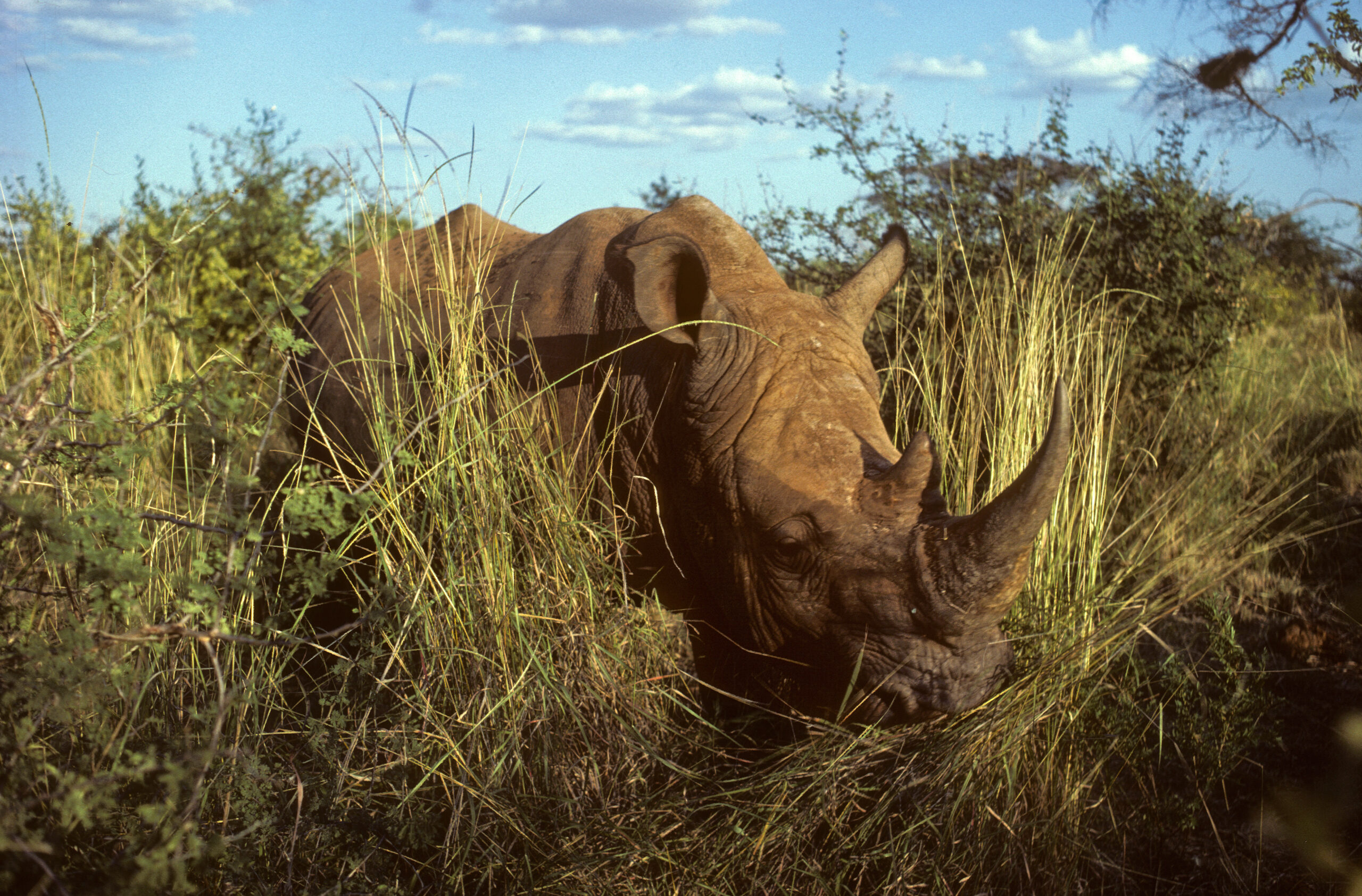
Tour Overview
This six-day safari covers two of southern Kenya's quieter wild areas. You start in the Chyulu Hills, a young volcanic range of dark lava fields and forested ridges. You spend two nights there, walking and driving. Then you move south to a private conservancy lodge beside Amboseli National Park for three nights. In the conservancy your vehicle can leave the road, other vehicles are few, and drives follow the wildlife. Mount Kilimanjaro rises across the Tanzanian border behind the elephant herds. You fly in from Nairobi's Wilson Airport and fly back at the end. Departures are private.
Trip Highlights
Fly-in start
A light aircraft takes you over the Rift Valley and the Kapiti Plains to the Chyulu Hills, so you save a long road journey and see the landscape from above.
Volcanic Chyulu Hills
Walk across lava fields and through pockets of forest in one of Africa's youngest mountain ranges, with views towards Kilimanjaro.
Private conservancy drives
Outside the national park, your vehicle can go off-road, there are few other visitors and the day follows the wildlife.
Elephants and a Maasai-guided walk
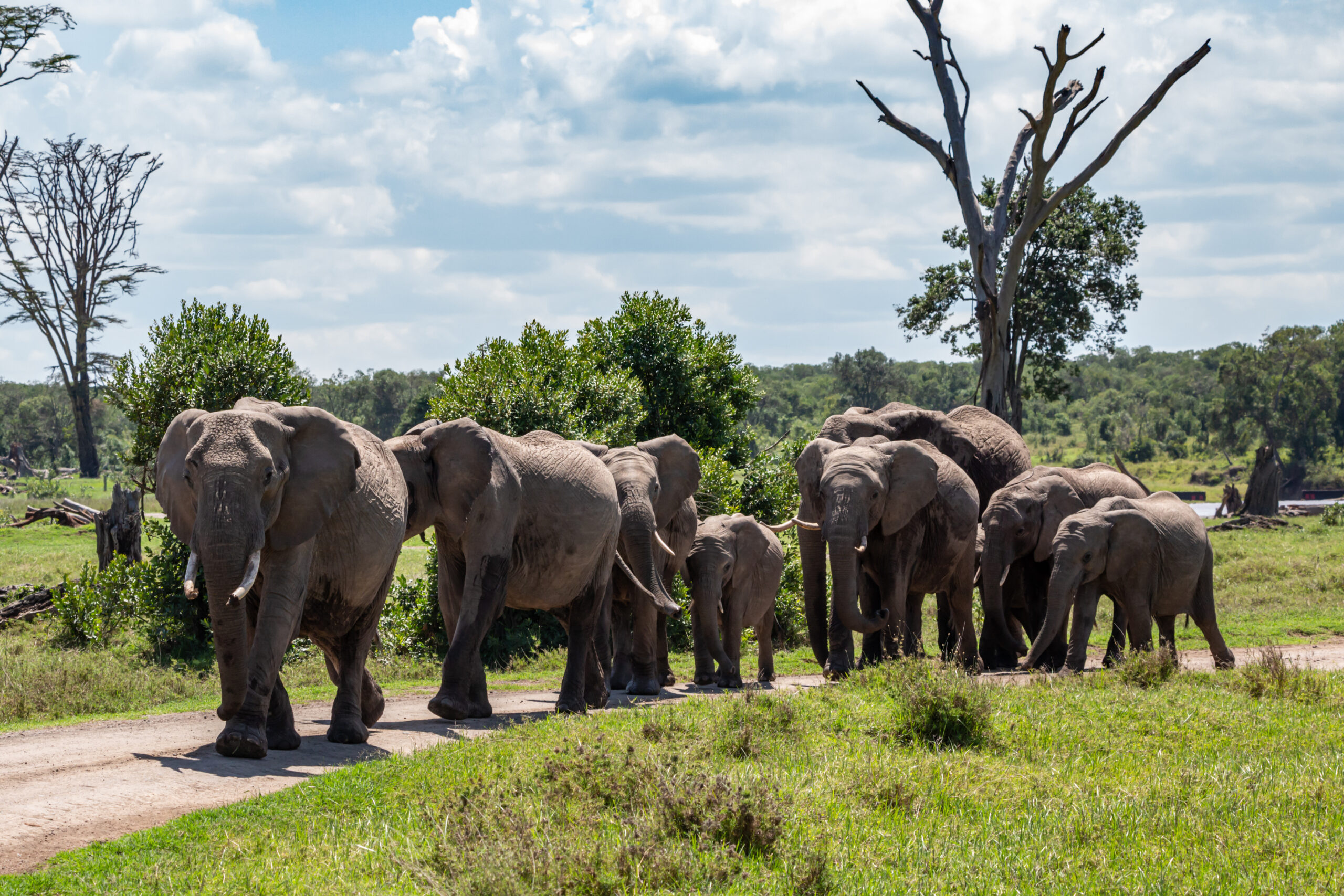
Amboseli's elephants are some of the most studied in the world. A local Maasai guide leads a walking safari on Day 4.
Plan Your Fly-In Safari
Tell us your dates and group size. We'll confirm availability and send you a quote.
Day-by-Day Itinerary
Nairobi to the Chyulu Hills
You transfer from Jomo Kenyatta International Airport across Nairobi to Wilson Airport. A scheduled light aircraft then flies you south-east over the Rift Valley and the Kapiti Plains to the Chyulu Hills, a young volcanic range whose dark lava fields and forested ridges rise out of the savannah. The aerial view gives you a sense of the landscape you are about to enter.
Your guide meets you on landing and drives you to camp. In the late afternoon you take a short guided walk. The lava underfoot is still sharp in places, and the forest edges are full of birds. As the sun drops towards Kilimanjaro, a sundowner is set up at a viewpoint over the plains stretching south towards Amboseli.
- Transfer to Wilson Airport and flight to Chyulu
- Short guided walk on the volcanic terrain
- Sundowner over the plains
Chyulu Hills Exploration
Today is a full day in the Chyulu Hills. Some of the lava flows are thought to be less than 500 years old. The morning walk crosses broken lava fields and passes through pockets of montane forest. Elephant, buffalo and many birds move between the Chyulu Hills and Tsavo East.
Your guide explains how the volcanic rock acts like a sponge, soaking up rain that comes out as Mzima Springs in Tsavo, one of the most important freshwater sources in this part of Kenya. An optional walk to higher ridgelines offers views towards Mount Kilimanjaro on a clear morning. After lunch at camp, a short game drive crosses the surrounding wilderness as the land drops from volcanic highland to open savannah.
- Guided walk across lava fields and forest
- Optional ridge walk with Kilimanjaro views
- Afternoon game drive
Chyulu Hills to the Amboseli Backcountry
After breakfast you leave the Chyulu Hills camp and drive south. The volcanic highlands give way to flat, open savannah and the Amboseli plains, with Mount Kilimanjaro on the southern horizon just across the Tanzanian border.
Instead of staying inside Amboseli National Park, you stay in the private conservancy land around it. Game drives here can go off-road, few vehicles are around, and the experience is more personal than inside the park. You reach your private conservancy lodge for lunch. The afternoon game drive follows elephants, the signature of Amboseli. This population is among the most studied in the world and moves between the park and the conservancies. With Kilimanjaro behind and golden light over the plains, photography is excellent.
- Drive south into the Amboseli ecosystem
- Lunch at the conservancy lodge
- Afternoon elephant game drive
Full Safari Day in the Amboseli Backcountry
This is a full day in the conservancies around Amboseli. Your vehicle can leave the road and approach wildlife at angles and distances set by the animals' behaviour. With no other vehicles waiting their turn, encounters go at their own pace. If the elephants are moving, the drive follows them. If a lion is resting in the shade, the vehicle waits.
At midday a local Maasai guide leads a walking safari. His knowledge of the landscape and wildlife comes from a lifetime living in it. Kilimanjaro, open plains and a high density of large mammals make for strong photography all day.
- Flexible morning and afternoon game drives
- Walking safari with a Maasai guide
- Off-road wildlife viewing
A Slower Day in the Backcountry
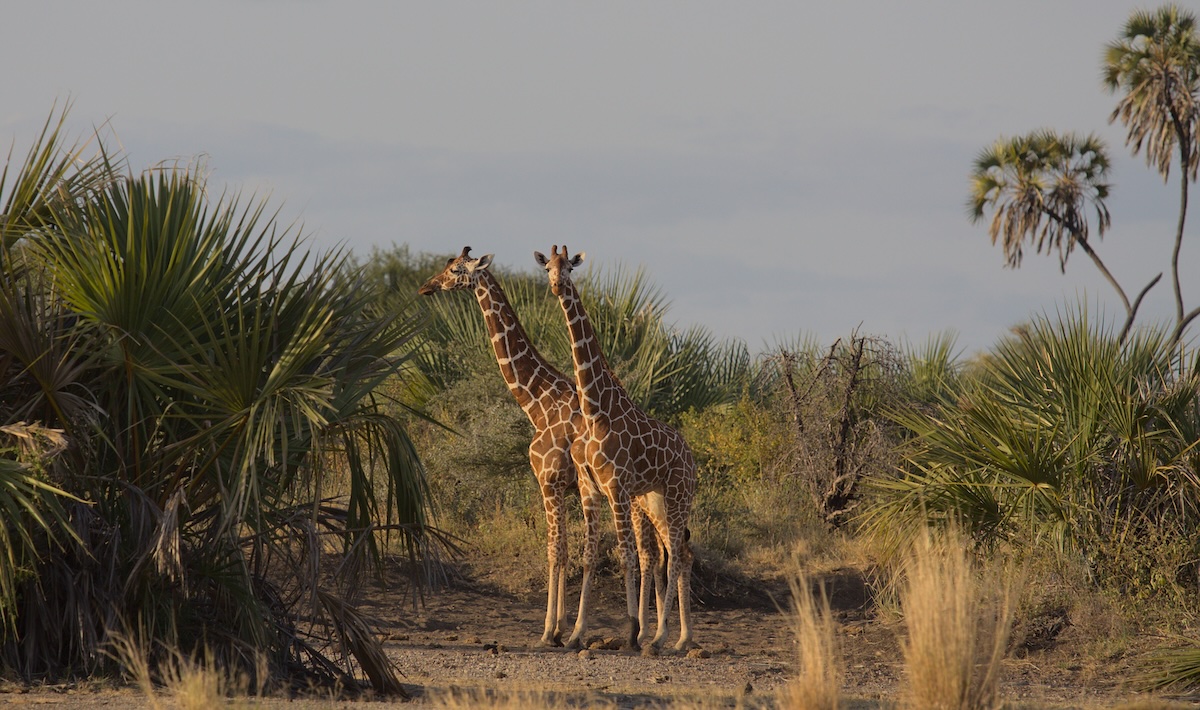
The last full day is slower. In the morning you choose a game drive or a guided walk, depending on what the wildlife is doing and what you feel like. After lunch at camp the afternoon is free, a good time to sit with a view and just watch. Elephants, giraffe, buffalo and smaller animals often come near camp.
A short sunset drive catches the last light over the plains, and clouds permitting, Kilimanjaro glows with alpenglow above the horizon. Your farewell dinner is at the lodge.
- Morning game drive or guided walk
- Free afternoon at the lodge
- Sunset drive and farewell dinner
Fly to Nairobi and Departure
After an early breakfast you transfer to the airstrip for the light aircraft back to Nairobi. From the air you may see elephants as dark shapes moving across the pale ground. At Wilson Airport a private vehicle takes you across the city to Jomo Kenyatta International Airport for your onward flight.
- Airstrip transfer and flight to Wilson Airport
- Private transfer to Jomo Kenyatta Airport
What's Included
Included
- All domestic scheduled flights as per the itinerary
- Private guiding and safari vehicle in each region
- 5 nights in eco-lodges and tented camps
- All meals as per the itinerary (full board)
- Park and conservancy fees
- Game drives and walking safaris
- Bottled water during all activities
- Local taxes and levies
Excluded
- International flights
- Visas and travel insurance
- Tips and guide gratuities
- Alcohol and premium drinks
- Personal expenses and souvenirs
- Optional activities not listed
Price Per Person
| Group Size | Price per Person | Notes |
|---|---|---|
| 1 person | $6,950 | Solo traveller rate |
| 2 people | $5,450 | Per person |
| 3 people | $4,850 | Per person |
| 4 people | $4,450 | Per person |
| 5 people | $4,250 | Per person |
| 6 people | $4,100 | Best group value |
Before You Book
Good to Know
- Physical level: It is easy, and all walking is optional.
- The flights: Scheduled light aircraft fly you from Wilson Airport in Nairobi to the Chyulu Hills, and from the Amboseli area back to Wilson Airport, as set out in the itinerary.
- The conservancy: You stay in private conservancy land next to Amboseli, not inside the national park. That is why off-road driving is allowed and few vehicles are around.
- When to go: June to October and January to March are the best months. Private departures run all year.
Ready for Chyulu and Amboseli?
Send us your dates and group size. We'll confirm availability and send a quote.