

3-Day Lake Bunyonyi Cultural Canoe & Island Retreat
Paddle a traditional dugout canoe between the islands of Lake Bunyonyi, visit Bakiga communities, and spend your mornings among the birds. A quiet stop before or after gorilla trekking.
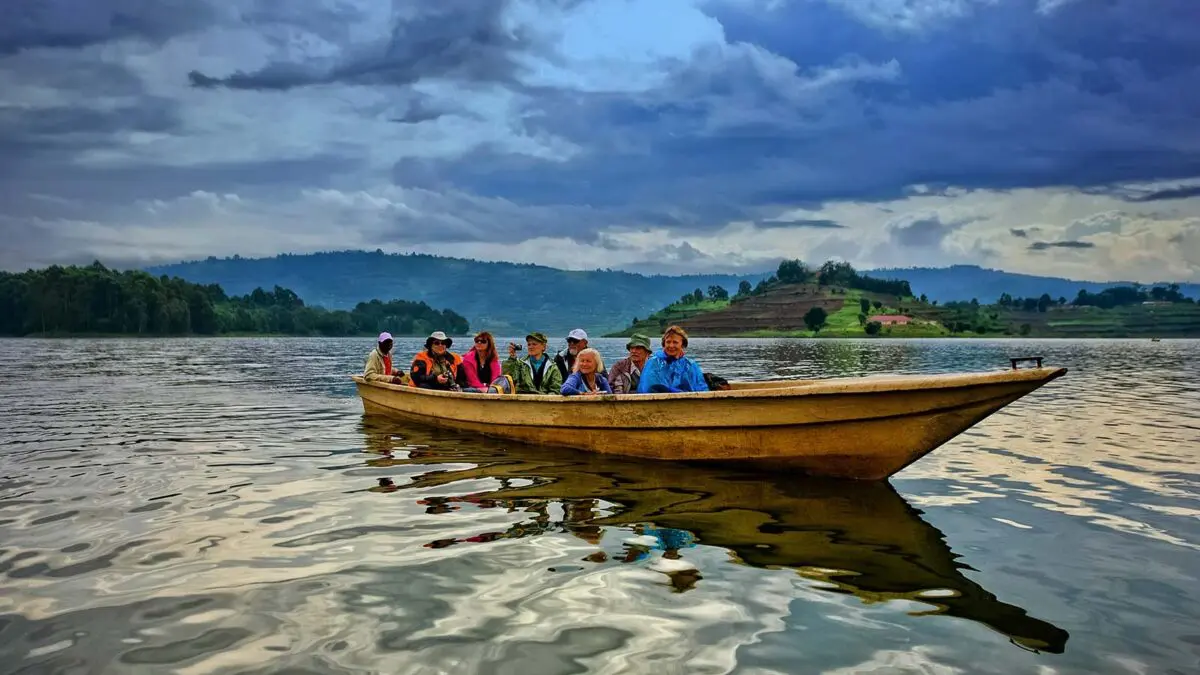
Tour Overview
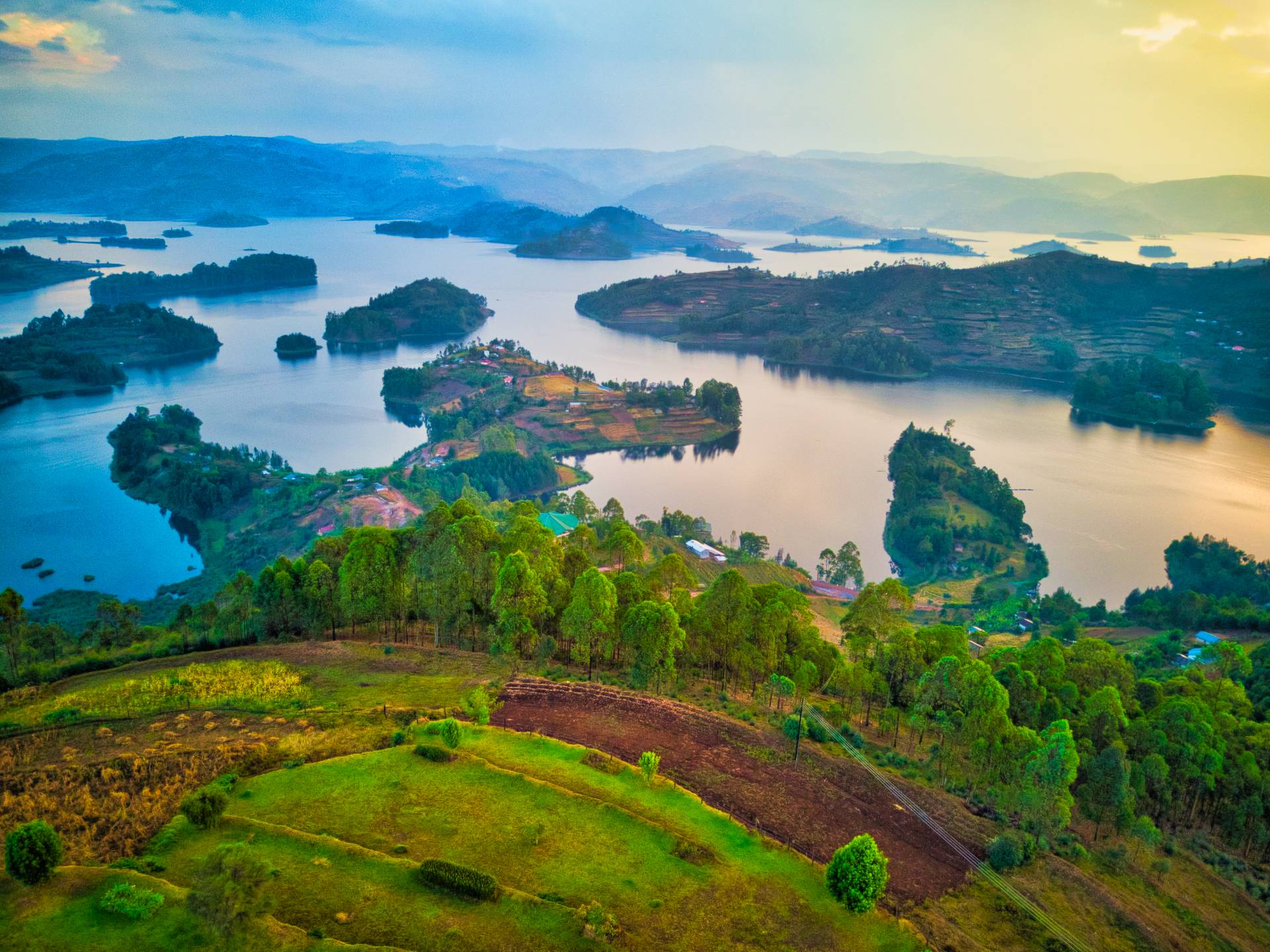
Lake Bunyonyi has 29 forested islands set among terraced hills, and the name means "place of little birds". This short retreat is slow on purpose: a dugout canoe is your transport, and the days are spent paddling between islands, meeting Bakiga communities and watching birds. It pairs well with gorilla trekking in Bwindi, which is a few hours away.
Trip Highlights
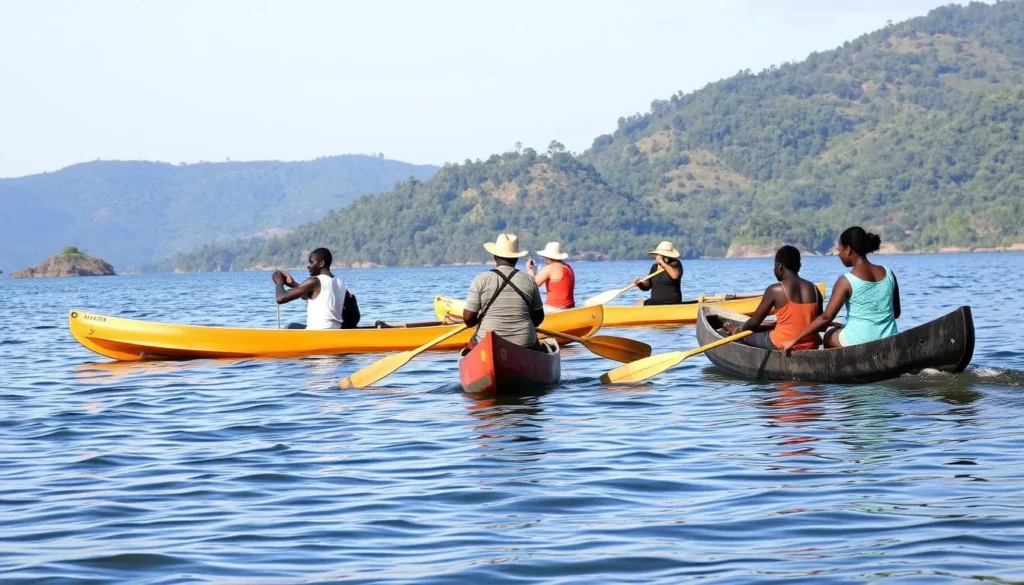
Dugout Canoe Tour
Paddle between the islands with a local guide, no experience needed.
Punishment & Bwama Islands
One island with a painful history, and one with a living school community.
Bakiga Culture
Dance, basket weaving and, if you like, cooking and millet beer brewing.
Dawn Birdwatching
Kingfishers, cranes and fish eagles on a misty lake.
Plan Your Lake Bunyonyi Retreat
Tell us where you're starting from and your dates, and we'll send you a quote. We can also combine it with Bwindi gorilla trekking.
Day-by-Day Itinerary
Travel to Lake Bunyonyi
After breakfast you set off, either from Kampala (7–8 hours) or from Bwindi (3–4 hours) if you're coming straight from gorilla trekking. The road crosses the Kigezi Highlands, with terraced ridges, deep valleys and hill farms worked in the traditional Bakiga way. The air gets cooler as you climb.
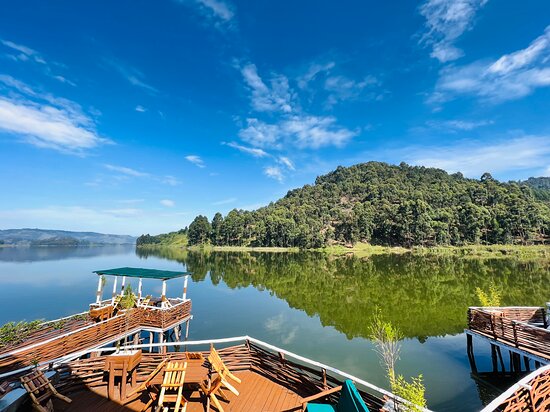
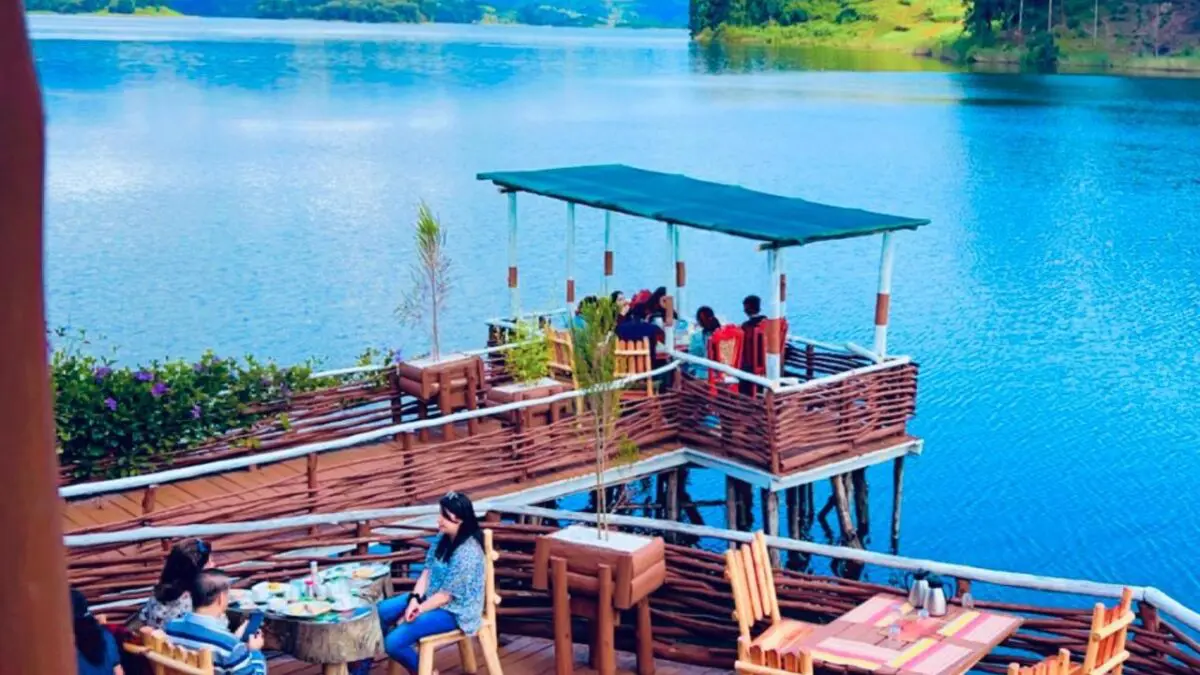
You reach the lake in the afternoon and check in at your lakeside eco-lodge. Spend the rest of the day on the terrace, or take a short optional canoe ride at sunset, when the islands stand out against the evening sky.
- Scenic drive to Lake Bunyonyi
- Lodge check-in
- Optional sunset canoe
Canoe Safari & Bakiga Cultural Experience
After breakfast a local guide takes you out in a traditional dugout canoe. He knows the history, the communities and the wildlife of each island. You paddle between islands, past fishing boats, people washing at the water's edge and smoke from morning fires. Watch for African jacanas walking on floating plants, malachite kingfishers, grey-crowned cranes and many weavers and sunbirds.
You stop at Punishment Island, a tiny rock where young women who became pregnant outside marriage were once left to die, because the family couldn't collect a bride price. Your guide explains the history and how the practice ended. It is a sobering stop.
Then you visit Bwama Island, where a school serves the island community. Children practise their English and teachers show you their classrooms.
In the afternoon you join a Bakiga cultural gathering on the mainland, with traditional dancing and basket weaving demonstrations. You can also join in the cooking or millet beer brewing if you like.
- Dugout canoe tour between the islands
- Punishment Island and Bwama Island
- Bakiga dance, basket weaving and cooking
Dawn Birding & Departure
Bunyonyi means "place of little birds", and the best time to see why is early morning. Mist lies on the water, grey herons stand on the rocks, fish eagles call from high perches and kingfishers work the shallows.
You can add a short hike up into the hills above the lodge. From the terraced ridges you look down on the whole lake, and on a clear morning you can see the hills of Rwanda to the south.
After a final breakfast overlooking the water, you check out. Your guide arranges the onward journey, whether that's back to Kampala, on to Bwindi for gorilla trekking, across to Kigali or to Queen Elizabeth National Park.
- Dawn birdwatching on the lake
- Optional hill hike or swim
- Onward transfer
What's Included
Included
- Private vehicle with English-speaking guide
- 2 nights at a lakeside eco-lodge, full board
- Dugout canoe tour with a local guide
- Island visits: Punishment Island and Bwama Island
- Bakiga cultural visit and demonstrations
- Park and community fees
- Bottled drinking water
Excluded
- International flights and visas
- Travel, medical and evacuation insurance
- Tips for guides, lodge staff and boat crew
- Alcohol and premium drinks
- Laundry and personal purchases
- Optional extras: specialist birding guide, zipline, extended swim excursion
Price Per Person
| Group Size | Price per Person | Notes |
|---|---|---|
| 1 traveller | $620 | Private vehicle, guide and canoe |
| 2 travellers | $430 | Per person |
| 3 travellers | $380 | Per person |
| 4 travellers | $355 | Per person |
| 5 travellers | $340 | Per person |
| 6 travellers | $320 | Best group value |
Before You Book
Good to Know
- Activity level: Gentle. Easy paddling on calm water and light walking on maintained paths. It suits families, couples and all fitness levels, and you don't need paddling experience.
- Drive times: About 7–8 hours from Kampala and 3–4 hours from Bwindi. Your guide handles both journeys.
- Swimming: The lake is reported to be free of bilharzia, which is unusual in Uganda. Your guide will show you the best swimming spots on arrival.
- What to pack: The Kigezi Highlands are cool, so bring a light layer for mornings and evenings on the lake.
- Health: Yellow fever vaccination is required for entry to Uganda. Malaria prophylaxis is recommended, so see a travel clinic 4–6 weeks before you leave.
- Combine it: Bunyonyi fits well with Bwindi gorilla trekking, Queen Elizabeth National Park or a cross-border trip to Kigali. We can arrange the onward logistics.