

3-Day Bwindi Gorilla Trekking & Batwa Cultural Trail
Trek to a mountain gorilla family in Bwindi, then spend an afternoon with the Batwa, the forest's original people. Your permit, lodge and transport are all taken care of.
Tour Overview
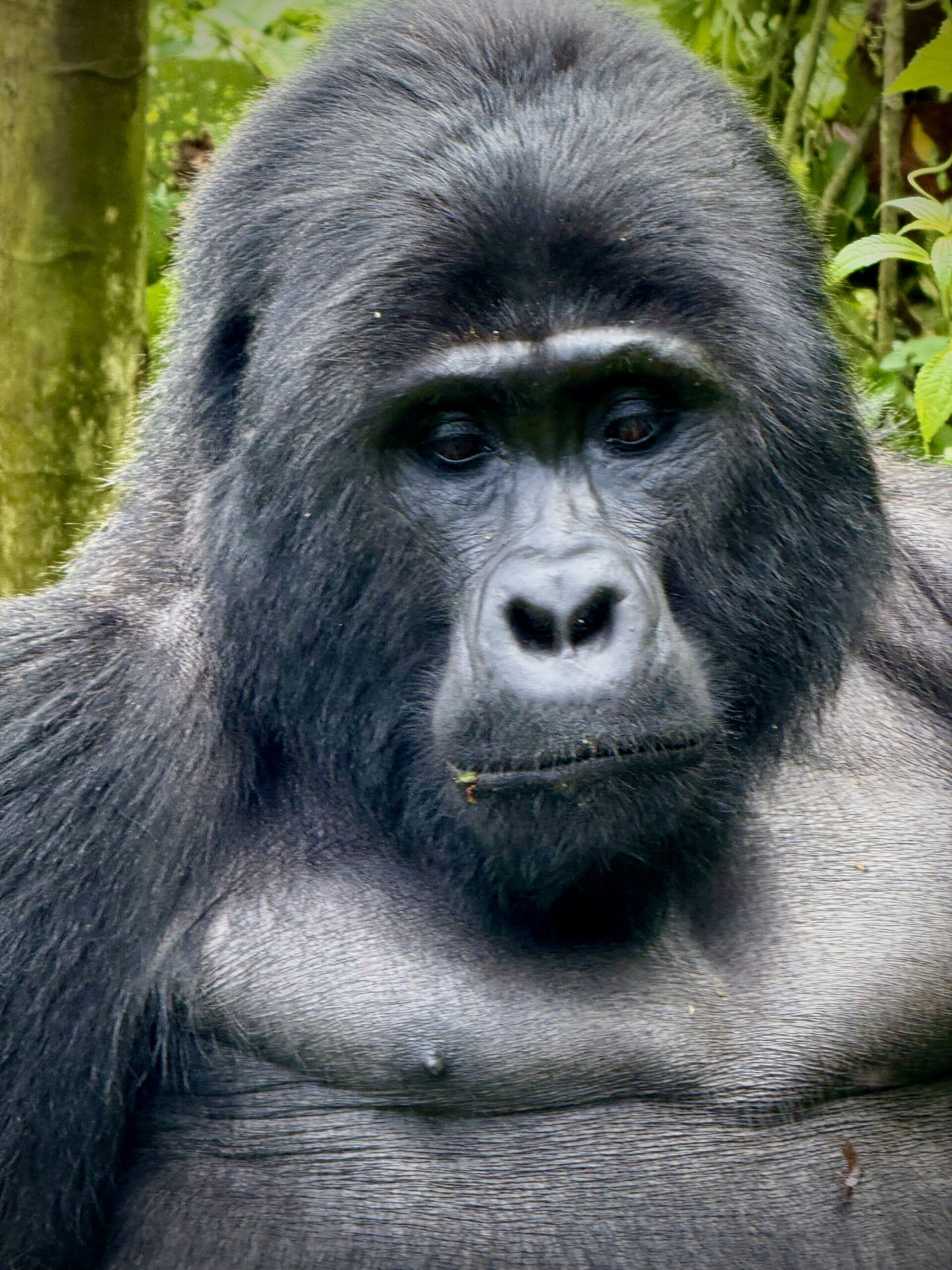
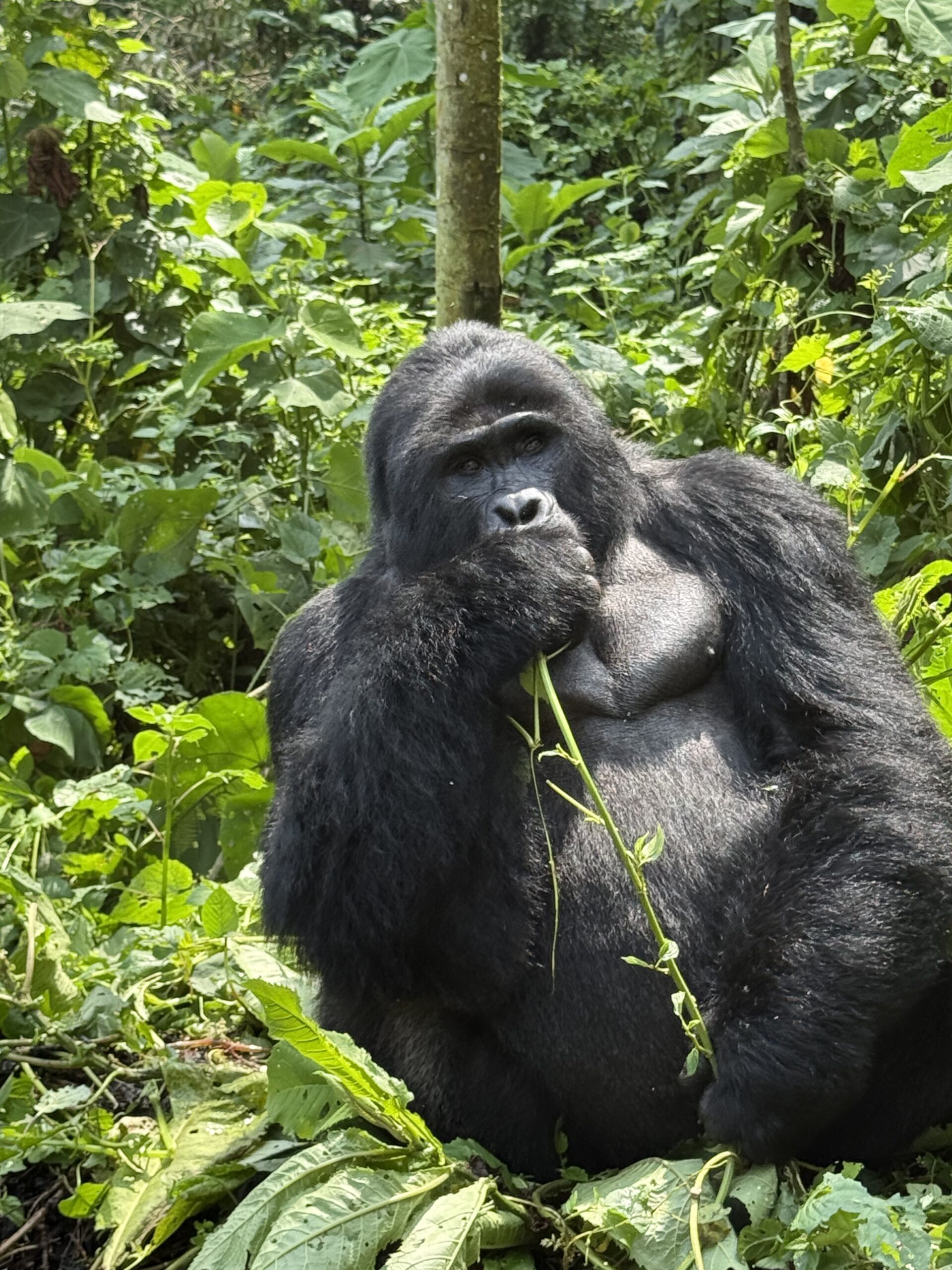
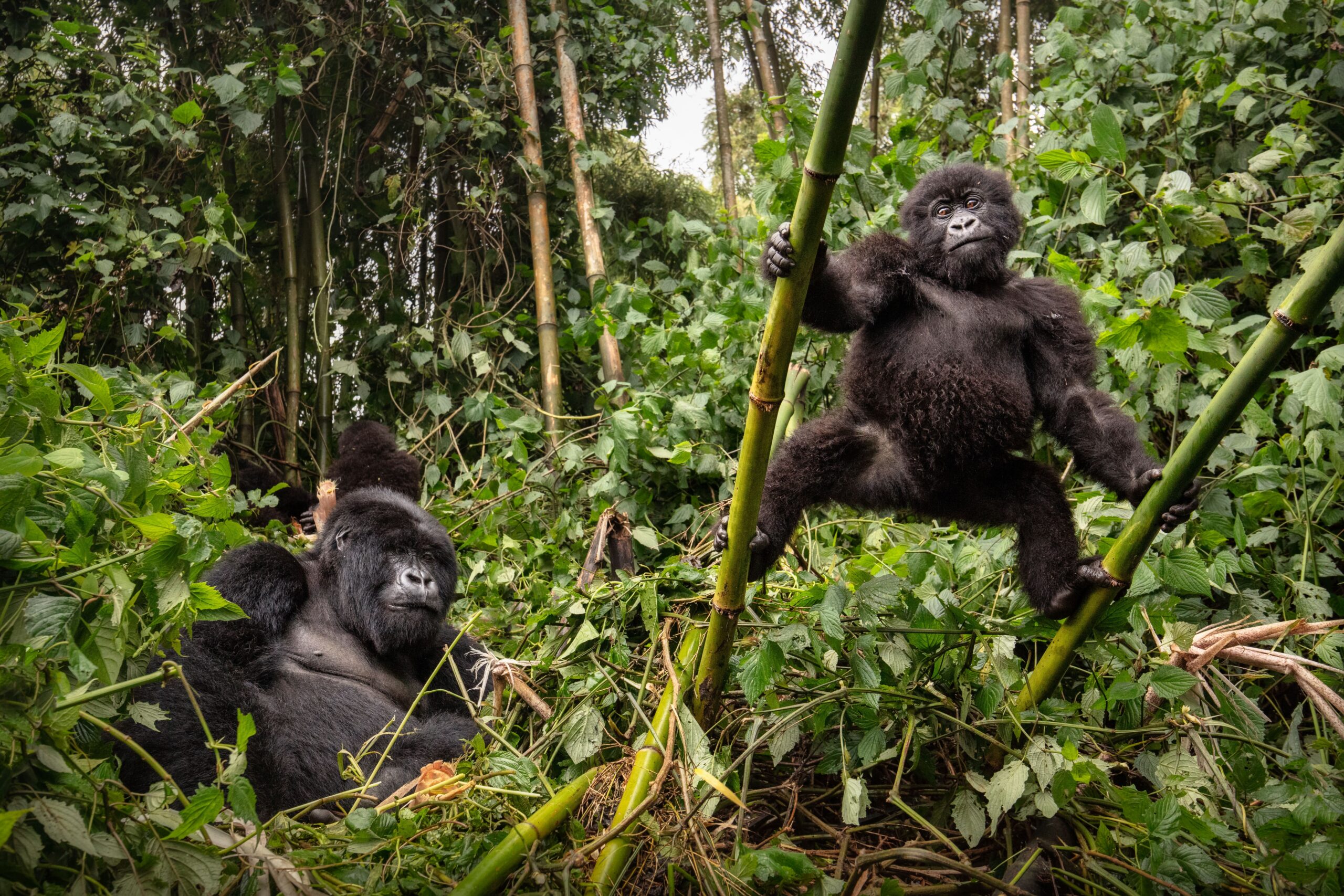
Bwindi is home to almost half of the world's remaining mountain gorillas. Over three days you'll trek to a habituated family and spend one hour with them, then walk with Batwa hosts who lived in this forest for thousands of years. We book your permit, arrange the lodge and drive you from Kampala or Entebbe and back.
Trip Highlights
One Hour with Gorillas
Trek into Bwindi Impenetrable Forest and sit with a habituated gorilla family in the wild.
Batwa Cultural Trail
Music, fire-making and forest knowledge, shared by the people who lived in Bwindi long before it was a park.
Kigezi Highlands Drive
Banana farms, cattle plains and steep tea terraces on the way to the forest.
Forest Lodge Stay
Two nights at a midrange lodge with views over the misty Bwindi canopy.
Secure Your Gorilla Permit
Permits are limited and fill up fast in peak season. Tell us your dates and we'll check availability and send you a quote.
Day-by-Day Itinerary
Kampala / Entebbe → Bwindi
Leave Kampala or Entebbe by 6:00–7:00 am so you reach the lodge before dark. The road runs through banana farms and the Ankole cattle plains, then climbs into the steep tea terraces of Kigezi. Your driver-guide points out the hills, rivers and local history along the way. We stop for lunch in Mbarara, and you arrive in time for dinner and an early night before trekking day.
- Early departure by private 4×4
- Lunch stop in Mbarara
- Dinner and overnight at the forest lodge
Gorilla Trek & Batwa Cultural Trail
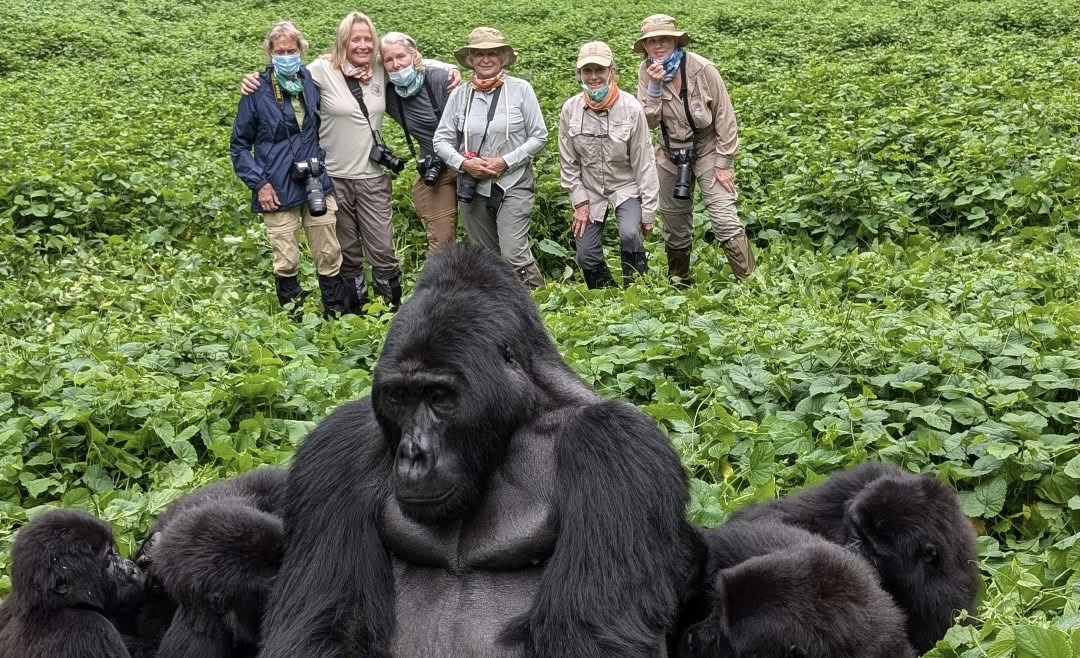
After an early breakfast, a short transfer takes you to the Uganda Wildlife Authority briefing. Rangers explain the rules (stay seven metres back, no flash photography) and introduce the family you'll visit. The trek can take anywhere from 2 to 6 hours, depending on where the gorillas spent the night. When you find them, you get one hour in their company. Your $700 permit is included in the price.
In the afternoon, join Batwa hosts on the Cultural Trail. They lived in Bwindi for thousands of years before it became a national park. You'll see fire-making and hunting methods, learn about medicinal plants, and hear their songs, along with their honest account of life since leaving the forest. If you'd rather rest after the trek, you can swap this for a village walk or a guided bird walk (350+ species, including 23 Albertine Rift endemics).
- Ranger briefing and gorilla trek with an expert tracker team
- One hour with a habituated gorilla family
- Batwa Cultural Trail, or a village or bird walk instead
Bwindi → Kampala / Entebbe
After breakfast, drive back the way you came, at whatever pace suits you. Stop at a craft market for baskets, bark cloth and carvings, visit a tea estate, and cross the equator at Kayabwe before reaching Kampala. We drop you at your hotel or the airport.
- Optional craft market and tea estate stops
- Equator crossing at Kayabwe
- Drop-off at your hotel or the airport
What's Included
Included
- Private 4×4 vehicle with English-speaking driver-guide
- 2 nights midrange forest lodge (full board)
- Gorilla trekking permit ($700 per person)
- Batwa Cultural Trail and community fees
- UWA park entry and ranger fees
- Bottled drinking water throughout
- All local taxes and activity levies
Excluded
- International flights and Uganda entry visa
- Travel, medical and evacuation insurance
- Tips for guides, porters, lodge staff and Batwa hosts
- Optional flights to Kihihi or Kisoro airstrip
- Alcohol and premium drinks
- Souvenirs, laundry and personal expenses
Price Per Person
| Group Size | Price per Person | Notes |
|---|---|---|
| 1 person | $2,050 | Private vehicle and guide |
| 2 people | $1,690 | Per person |
| 3 people | $1,580 | Per person |
| 4 people | $1,480 | Per person |
| 5 people | $1,440 | Per person |
| 6 people | $1,390 | Best group value |
Before You Book
Good to Know
- The drive: 8–9 hours each way, so we leave by 6:00–7:00 am. If you're short on time, we can book a flight to Kihihi or Kisoro airstrip instead (about 1 hour). Ask us when you book.
- Fitness: The trek is steep and can be slippery after rain, and lasts 2–6 hours. Porters are available at the trailhead for a fee and are worth it.
- Permits: Limited to 8 visitors per gorilla family per day. We secure yours when you book. Book early for Jun–Sep and Dec–Feb.
- What to pack: Long sleeves and trousers, waterproof boots with ankle support, gardening gloves, a light rain jacket, and a camera that handles low light.
- Health: A yellow fever vaccination is required to enter Uganda. Anyone with a cold or flu will be asked not to trek, as gorillas catch human illnesses easily. Malaria tablets are recommended, and travel, medical and evacuation insurance is required.