

14-Day Ultimate Congo Discovery Safari
Bonobos in Salonga, eastern lowland gorillas in Kahuzi-Biega, savannah in Garamba and wetlands in Upemba, on one fully supported route out of Kinshasa. Charter flights, permits and a ranger-led anti-poaching patrol are included.
Tour Overview
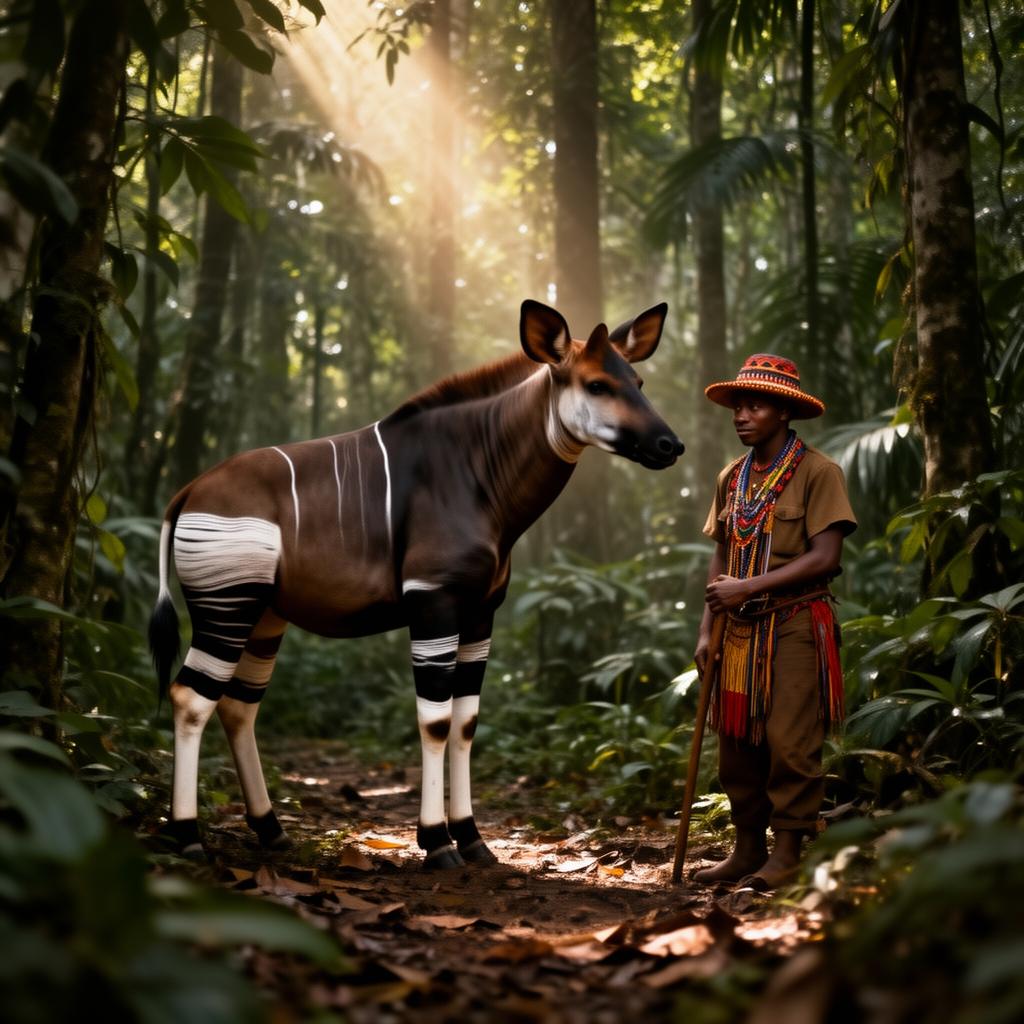
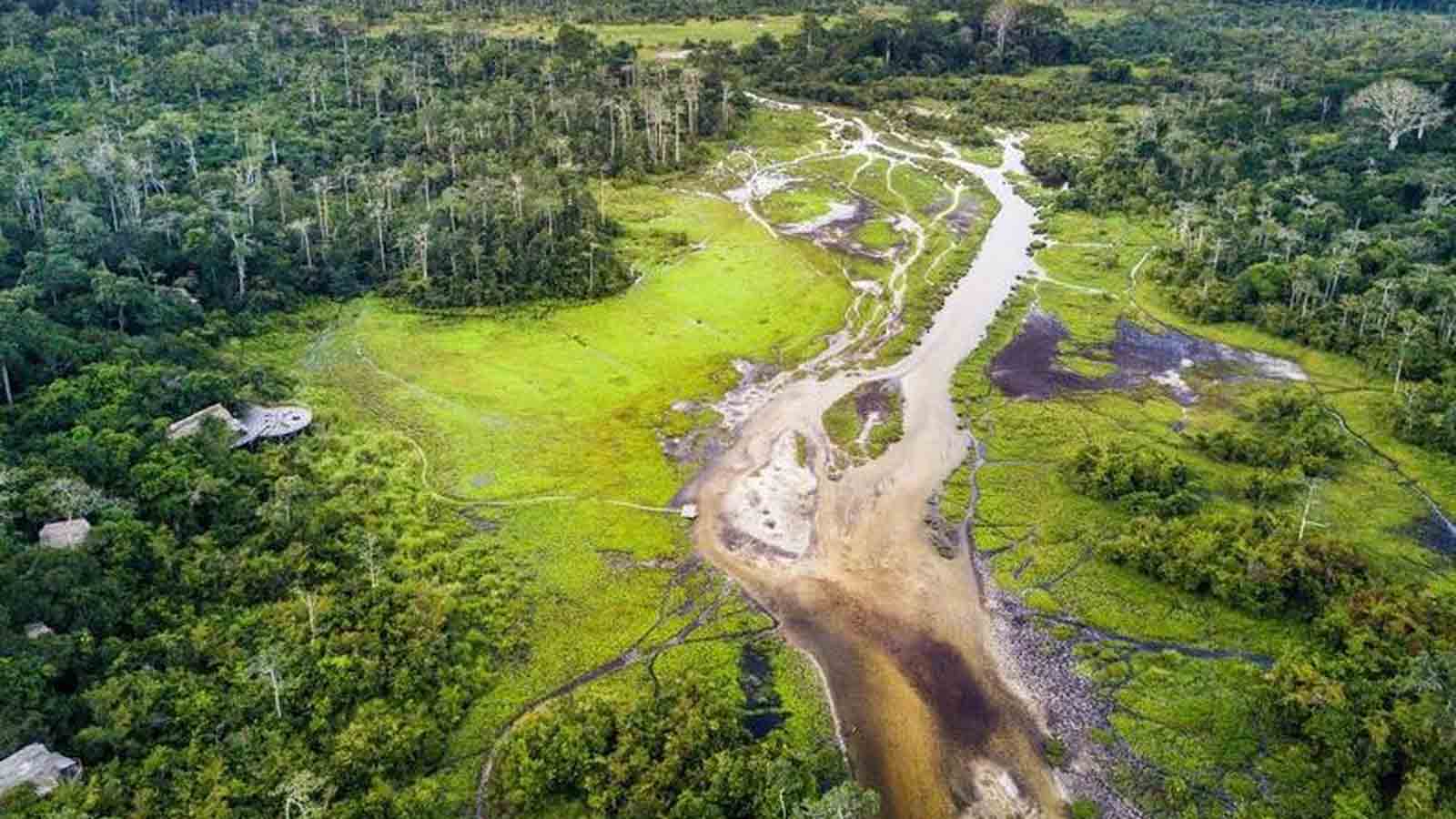
This 14-day expedition starts and ends in Kinshasa and visits Luki Wildlife Reserve, Garamba, Salonga, Upemba and Kahuzi-Biega National Parks. You move between them by charter flight, then go deeper on foot and by canoe. The middle of the trip is the hardest part: a river expedition and three days of trekking in Salonga's primary rainforest, with nights in remote camps and hammocks. After that you track eastern lowland gorillas, spend a day with a forestry community, and finish in Kinshasa with an eco-market visit and a farewell dinner with live music. Sankofa Africa Safaris runs the whole route, and you should book at least six months ahead for the June to September peak.
Trip Highlights
Bonobos in Salonga
Salonga is the main stronghold of the bonobo, found only in the DRC. You track habituated groups on a three-day trek through primary rainforest.
Eastern lowland gorillas
Trek in Kahuzi-Biega to see the world's largest gorilla subspecies. The permit is included, and you meet the rangers and researchers who protect them.
Anti-poaching patrol
In Garamba you ride out with park rangers on an active patrol and see how wildlife protection works on the ground.
Remote nights
Camp beside the river in Salonga and sleep in hammocks under the rainforest canopy, with no roads or other visitors nearby.
Plan Your Congo Safari
Tell us your dates and group size. We'll confirm availability and send you an exact quote.
Day-by-Day Itinerary
Arrival in Kinshasa
You land at N'djili International Airport and transfer to a boutique hotel near the Congo River. In the evening you walk the waterfront, where fishermen work the river at dusk and street traders crowd the embankment.
A local chef cooks your welcome dinner: fufu with groundnut sauce, moambe chicken slow-cooked in palm butter and smoked tilapia from the river. Your lead guide then briefs you on the 14 days, including health and safety, the trekking and river requirements, and the conservation projects you will visit. The night ends with a private photography walk along the waterfront.
- Airport pick-up and hotel transfer
- Welcome dinner and safari briefing
- Night photography walk on the Congo River
Transfer to Luki Wildlife Reserve
A charter flight or private 4×4 takes you to Luki, a UNESCO Biosphere Reserve near the Congo River. Savannah and forest meet here, so you can see species from both: forest elephants, bongo antelope, hornbills and rare duikers. The birdlife draws specialist birdwatchers from around the world.
In the afternoon a ranger-guide leads your first walk in the forest. In the evening you sit around a campfire with rangers who have worked here for decades and hear the stories and legends of the local communities.
- Transfer to Luki
- Afternoon walk with a ranger-guide
- Campfire storytelling
Hidden Waterfalls of Luki
You trek on foot through dense forest to one of Luki's hidden waterfalls, on paths only the rangers know. If you like, you can swim in the clear natural pools below the falls.
In the afternoon you go birdwatching in habitat that holds endemic species, including the Congo serpent eagle. Before returning to camp, your guide leads a session on the plant medicine used by the communities around Luki.
- Waterfall trek with rangers
- Optional swim in the natural pools
- Birdwatching and plant medicine session
Garamba National Park
A charter flight north takes you to Garamba, one of Africa's oldest protected areas and a UNESCO World Heritage Site. It is one of the last places the northern white rhino was recorded in the wild. The open grassland and river forest hold elephants, giraffes, lions and hyenas, and you cover it in open safari vehicles with a guide who reads tracks and animal behaviour.
On the night drive you look for civets, genets and nightjars. You can also take an optional photography masterclass with your guide. The key experience here is the anti-poaching patrol ride-along. You go out with park rangers on an active patrol and see the surveillance, intelligence work and field decisions behind the protection of the park.
- Game drives in open vehicles
- Night drive
- Anti-poaching patrol ride-along with rangers
Salonga River Expedition
Salonga is the largest tropical rainforest national park in Africa and one of its most remote. It is the main stronghold of the bonobo, the great ape most closely related to humans, which lives only in the DRC. You travel in by canoe along narrow, tea-coloured waterways where the forest canopy closes overhead. Few visitors come this way.
You stop at riverside villages where people fish in traditional ways and rarely meet outsiders. Forest elephants, hippos, crocodiles and many waterbirds live along the route. The day ends at a riverside camp on the forest edge.
- Canoe expedition through the forest
- Village stops and traditional fishing
- Overnight at a riverside camp
Deep Jungle Trek in Salonga
These three days are the hardest and most distinctive part of the trip. Expert local trackers lead you into forest with no roads, no infrastructure and no other visitors. It is primary, unlogged rainforest, with canopy at 50 metres and buttress roots as tall as a person.
You track habituated bonobo groups. Bonobos are more acrobatic and vocal than gorillas, and many visitors feel a strong sense of kinship with them. You sleep in remote clearings in suspended hammocks, above the forest floor and surrounded by the night sounds of the forest. Night walks may turn up bush babies, pangolins and civets.
- Multi-day trek with expert trackers
- Bonobo tracking
- Hammock nights and guided night walks
Upemba Wetlands Canoe Safari
A charter flight takes you to Upemba National Park, built around the wetlands of the upper Lualaba River. After the closed-in forest of Salonga, you have open water and wide marsh horizons. You paddle a canoe among hippos, Nile crocodiles and waterbirds, including shoebills, African fish eagles, wattled cranes, herons and egrets.
Upemba survived decades of neglect and conflict and still holds a waterbird community of international importance. Conservation groups now work with local communities on sustainable fishing and water management. You can join an optional photography session on the marsh at sunset.
- Charter flight to Upemba
- Wetland canoe safari
- Optional sunset photography
Gorilla Trek in Kahuzi-Biega
You travel to Kahuzi-Biega National Park, home of the eastern lowland gorilla, the world's largest gorilla subspecies, found only in the DRC. The trek follows mossy forest trails in the cool light of mid-altitude rainforest. Black-and-white colobus monkeys, hornbills and turacos live here too.
In the afternoon you rest at a luxury forest lodge, your most comfortable stay since Kinshasa. Before dinner you meet local rangers and researchers working on gorilla conservation and habitat restoration.
- Eastern lowland gorilla trek (permit included)
- Afternoon at the forest lodge
- Meeting with rangers and researchers
Village and Community Conservation
Today is about the communities who live beside the parks. You visit a village that practises sustainable forestry and farming next to the park boundary, and see how conservation and community livelihoods work together in the DRC.
You help plant trees for the habitat corridors that link Kahuzi-Biega's forest patches and give the gorillas more range. In the evening you sit around a fire for local songs, folklore and storytelling.
- Visit a sustainable forestry village
- Tree planting for habitat corridors
- Songs and folklore around the fire
Return to Kinshasa and Eco-Market
You fly back to Kinshasa. The afternoon is free for the city's eco-markets, which sell locally made crafts, textiles and woodwork. Your purchases support the makers directly.
The farewell dinner has live Congolese music and a menu of Congolese dishes.
- Flight to Kinshasa
- Free afternoon at the eco-markets
- Farewell dinner with live music
Departure
A private transfer takes you to N'djili International Airport for your onward flight. If you want to extend your trip into a neighbouring country, we can plan that with you.
- Private airport transfer
What's Included
Included
- All internal charter flights and private ground transfers
- Experienced ranger-guides and local trackers throughout
- 13 nights' accommodation, full board
- Jungle trekking, river canoe expeditions and wetland safaris
- Gorilla trekking permit for Kahuzi-Biega National Park
- Park entrance fees and permits at every destination
- Cultural village visits and conservation activities
- Anti-poaching patrol ride-along in Garamba
- Bottled water during transfers and treks
- Government taxes and levies
Excluded
- International flights to and from Kinshasa
- DRC visa and border fees
- Travel and medical evacuation insurance (mandatory)
- Personal expenses, laundry and souvenirs
- Alcohol and drinks beyond those specified
- Tips for guides, rangers and camp staff
- Optional activities not listed in the itinerary
- Extra costs from itinerary changes due to security or weather
Price Per Person
| Group Size | Price per Person | Notes |
|---|---|---|
| 1 person | $8,500 to $12,000 | Solo traveller rate |
| 2 people | $6,500 to $9,500 | Per person |
| 4 people | $5,500 to $8,000 | Per person |
| 6 people | $5,000 to $7,500 | Lowest rate, subject to camp capacity and permit availability |
Before You Book
Where You Stay
- Kinshasa, nights 1 and 13: A boutique city hotel near the Congo River waterfront.
- Luki, Garamba and Upemba: Managed camps and eco-lodges in or next to each reserve, full board.
- Salonga, nights 6 to 9: Riverside and forest expedition camps, with hammock sleeping in the forest interior.
- Kahuzi-Biega, nights 11 and 12: A luxury forest lodge with forest views.
- We confirm the exact properties when you book, depending on availability and current conditions.
Fitness and Safety
- Fitness: You need moderate to good fitness. On Days 7 to 9 you walk several hours a day through dense forest on uneven ground. You also need basic paddling ability for the canoe days. Trekking poles and porters are available where conditions allow.
- Remote stages: Days 6 to 10 are remote, with limited medical facilities. We carry full first-aid equipment and have evacuation plans for these stages. Travel and medical evacuation insurance is mandatory.
- Security: Several parks on this route are in complex security areas. We monitor conditions at every destination and will change the itinerary if official risk assessments require it. Wildlife encounters are done with armed ranger escorts under park authority.
- Gorilla health rule: You cannot trek with a cough, cold, flu symptoms or any contagious illness, because human viruses can seriously harm great apes. Kahuzi-Biega applies this without exception.
Health and Packing
- Vaccinations: Yellow fever vaccination is mandatory for entry to the DRC. Malaria prophylaxis is strongly recommended, and hepatitis A and typhoid vaccines are also advised. See a travel clinic at least 6 weeks before you leave.
- Clothing: Long sleeves and trousers in neutral colours, and avoid blue and black. Bring waterproof hiking boots that you have broken in, plus rain gear and insect repellent.
- Kit: A head torch with spare batteries for night walks and camp. No flash photography near wildlife.
- Cash: Bring US dollars in cash for park fees and tips in remote areas.
- Planning: This route links several protected areas, charter flights and permit systems. Book at least 6 months ahead for June to September.
Ready for the Congo?
Send us your dates and group size. We'll confirm availability and send an exact quote.