
12 Days Adventure & River Safari

Responsive 3 Image Slider
10-Day Wildlife & Big Game Safari — Sankofa Africa Safaris

The Democratic Republic of Congo is one of Africa's most underrated big-game destinations — a country of staggering landscape diversity where open savannah, dense equatorial rainforest, and expansive wetlands exist within the same borders, each harbouring its own extraordinary cast of wildlife. This 10-day expedition moves between two of the DRC's most celebrated but rarely visited national parks: Garamba in the north, a UNESCO World Heritage Site and one of the last strongholds of the northern white rhino's range, whose savannahs support elephants, giraffes, lions, and a bird list that includes the iconic shoebill stork; and Upemba in the south, where the Lualaba River wetlands attract vast numbers of hippos, crocodiles, African fish eagles, and the full complement of savannah predators. Arranged from start to finish by Sankofa Africa Safaris, this journey offers a genuinely rare and immersive encounter with a side of Congo that very few travellers ever see.

Duration
10 Days
9 Nights
Difficulty
Moderate
Savannah & wetland terrain
Best Season
June – September
Dry season; also Dec–Mar
Arrival Orientation

Your safari begins at N'djili International Airport, where your Sankofa Africa Safaris guide meets you in the arrivals hall and transfers you to your city hotel through the extraordinary energy of Kinshasa — one of Africa's largest and most dynamic capitals, spread across the southern bank of the Congo River with Brazzaville visible as a low skyline on the opposite shore. Kinshasa is a city of contradictions and vitality, and even the drive from the airport offers an immediate immersion in the rhythm of Congolese urban life that serves as useful context for the landscapes and communities you will encounter deeper in the country over the following nine days.

After resting from your flight, the afternoon is given over to a thorough orientation briefing covering the full arc of the expedition: the route between Kinshasa, Garamba National Park, and Upemba National Park; realistic wildlife expectations at each location; what to carry on game drives and bush walks; health and safety protocols; and an open question session to ensure you head into the first full safari day with complete clarity and genuine anticipation. The evening offers an optional excursion to Kinshasa's vibrant riverfront and local markets — a lively and colourful introduction to Congolese street life — before an early night in preparation for the charter flight north tomorrow morning.

Game Drive Big Game

An early departure from Kinshasa by chartered flight takes you north-east to Garamba National Park — a journey of approximately three to four hours that delivers you from the urban intensity of the capital to one of central Africa's most spectacular and least visited savannah ecosystems. A UNESCO World Heritage Site covering nearly five thousand square kilometres of open grassland, gallery forest, and riparian woodland along the Garamba and Dungu rivers, Garamba occupies a position in central African conservation history that is both significant and sobering: it was once the last refuge of the northern white rhino, and today it is a front line in the fight to protect its remaining megafauna — particularly its significant elephant population — against the persistent pressure of poaching in this remote corner of the DRC. Arrival and check-in at your safari lodge or tented camp is followed by a brief rest before the afternoon's game drive.

The first game drive in Garamba rarely disappoints even the most experienced safari traveller — the park's open savannah landscape makes wildlife visibility considerably easier than in the dense forest ecosystems further south, and the late afternoon light across the grassland creates the quality of golden illumination that is the savannah's great photographic gift. African elephants — a significant and well-studied population — move across the open plains in family groups, and the first sighting of Garamba's tall, open-country giraffes against the evening sky is reliably among the expedition's most memorable early moments. Kob antelopes graze in large herds across the grassland, buffalo move in dust-churning masses through the tree lines, and the descending sun paints the horizon in a spectrum of colour that makes Garamba's savannah landscape feel genuinely cinematic. Your guide conducts a debrief around the camp as darkness falls, setting the context for the deeper exploration that begins tomorrow.

Wildlife to see today
African Elephants Giraffes Kob Antelopes Buffalo
Game Drives Bush Walk Birdwatching

The first of three full days in Garamba settles into the expedition's core rhythm: an early morning game drive that takes full advantage of the hours immediately after dawn when predators are most active and the light is at its most dramatic, a midday break at camp during the hottest part of the day, and a second game drive in the long cooling hours of late afternoon. The open savannah and gallery forest edges of Garamba reward patient observation — lions and hyenas are present in the park and most often encountered in the early morning near water sources and in the shade of tree lines where they rest through the midday heat. Elephants are the park's most consistently visible large mammal and can be found throughout the savannah in family groups whose behaviour — the social interaction between adult females and calves, the periodic movement of young bulls on the periphery of groups — provides hours of observation without any need for a different species to appear.

The guided bush walk, conducted with armed park rangers who double as trackers and naturalists, transforms the savannah landscape from a backdrop for wildlife viewing into a legible text: the freshness of a buffalo track pressed into soft soil, the territorial scratch marks of a lion on a prominent tree, the seed-dispersal story told by a pile of elephant dung containing dozens of intact seeds. Walking on the same ground as the animals — at the same scale, subject to the same heat and distance — creates an entirely different relationship with the ecosystem than any game drive can achieve. Birdwatching enthusiasts will find Garamba one of central Africa's most rewarding destinations: the African grey parrot, the Congo peacock, and the extraordinary shoebill stork are all recorded in the park, alongside hundreds of more commonly encountered species in a bird list that reflects Garamba's position at the junction of central African and East African avifaunal zones.

Wildlife to see today
Lions Hyenas Elephants Giraffes Buffalo Antelopes Shoebill Stork Congo Peacock
Remote Drives Conservation Night Safari

Today's game drives push into areas of the park that see fewer visitors — the more remote sections of Garamba's savannah and the gallery forest corridors along the river systems that support higher concentrations of some of the park's more elusive species. The Garamba River itself is a wildlife magnet: crocodiles occupy the sandbanks and shallower crossings, hippos hold their river pool territories with characteristic vocalisation, and the riverside forest attracts an entirely different suite of birds and mammals than the open savannah. The diversity of antelope species in Garamba is one of the park's underappreciated features — alongside the large kob herds, Uganda kob, oribi, hartebeest, and waterbuck are all present in varying numbers across the different habitat types, each species occupying its particular niche in the landscape.

The afternoon includes a briefing from a park ranger or conservation officer on Garamba's wildlife management challenges — the ongoing anti-poaching effort, the community engagement programmes that involve local populations in park protection, and the complex history of wildlife decline and partial recovery that characterises this remarkable park's story. The optional night safari, where available, opens up a completely different dimension of the savannah ecosystem: civets, genets, African wild cats, and various nocturnal rodents become visible in the vehicle's spotlight, while the calls of nightjars, owls, and African bush babies create an extraordinary sound environment as the savannah darkness settles over the landscape. The night drive is brief but reliably transforms how guests understand the scale of activity that continues in the African savannah after dark.

Wildlife to see today
Crocodiles Hippos Waterbuck Hartebeest Civets Genets African Wild Cat
Morning Drive Birding Wildlife

The final morning in Garamba is often the most rewarding — by this point in the stay, your eye has adjusted to the particular visual language of this savannah landscape and you find yourself seeing and interpreting things that passed unnoticed on the first drive. A dedicated birding focus on the final morning allows the guides to target species that may have been glimpsed but not properly seen on earlier drives — the shoebill stork, one of Africa's most sought-after birds, inhabits the papyrus swamps and flooded grasslands of Garamba's wetland margins and rewards patient, quiet approach. African grey parrots congregate noisily in feeding flocks that can number in the dozens, the Congo peacock emerges from forest edges in the early morning, and the gallery forest riverside strips host a sequence of kingfisher species, weavers, sunbirds, and raptors that make for an outstanding final morning of wildlife photography in Garamba's remarkable landscape.

The afternoon is set aside for rest and quiet appreciation of the camp environment — a moment of stillness in the middle of the expedition that allows you to absorb the intensity of the preceding three days' wildlife encounters before the next phase begins. The vast and unhurried quality of the Garamba savannah is most apparent in the afternoon heat, when the landscape settles into a slower rhythm and the sounds of wind, insects, and distant animal movement carry across the grassland with unusual clarity. Packing down for tomorrow's early departure to Upemba, and a final camp dinner under the Garamba sky, closes one of central Africa's most remarkable wildlife experiences and sets the scene for the very different ecosystem that awaits in the south.

Wildlife to see today
Shoebill Stork African Grey Parrot Congo Peacock Kingfishers Raptors
Boat Safari Wetlands Aquatic Birds

A private flight south to Upemba National Park — approximately two to three hours by air — bridges two of the Congo's most distinct ecosystems in the space of a single morning, and the transformation in landscape as the aircraft descends over Upemba's extraordinary wetland complex is one of the expedition's defining transition moments. Where Garamba's defining characteristic is the open sweep of its savannah under a vast northern sky, Upemba announces itself as a world of water: the Lualaba River — the upper Congo — threads through a system of lakes, floodplains, and wetland corridors that form one of central Africa's most productive aquatic ecosystems and a spectacle of waterbird diversity that few places on the continent can match. Check-in at your lodge is followed immediately by an afternoon boat safari on the Upemba wetlands — the most efficient way to begin understanding this completely different landscape.

The afternoon on the water introduces the cast of Upemba's aquatic world in rapid and rewarding succession. Hippos are encountered in numbers — family pods of ten to twenty animals occupying the deeper channels, their huge heads barely clearing the surface while the calls and yawns of dominant bulls carry clearly across the open water. Nile crocodiles bask on exposed mudflats with prehistoric stillness, launching silently into the water at the boat's approach. African fish eagles call from the tops of dead trees overhanging the water's edge — the sound of the Congo Basin's great rivers — while open-billed storks, yellow-billed storks, goliath herons, and multiple egret species work the shallows in dense and photogenic concentrations. The boat moves slowly through this extraordinary wetland aviary as the afternoon light turns the water gold and the papyrus beds glow against a sky that seems wider here, above the open water, than anywhere else in the expedition.

Wildlife to see today
Hippos Nile Crocodiles African Fish Eagle Goliath Heron Open-billed Stork
Game Drives Predators Village Visit

Upemba's savannah zones — the open grassland and miombo woodland corridors that lie between the wetland margins and the higher ground — support a predator population that makes early morning game drives here among the most wildlife-dense of the entire expedition. Lions are the park's apex predator and most often encountered resting in the shade of woodland edges in the late morning, or moving through the open grassland in the first light of dawn when they are most actively hunting. Leopards are present but considerably more elusive — most sightings occur in the gallery forest strips along seasonal watercourses, where the dense riverine vegetation provides daytime cover. Elephants move through the miombo woodland in characteristic Upemba family groups, and the interaction between the wetland-edge elephant populations and the savannah interior herds creates an unusual diversity of elephant behaviour that makes Upemba's pachyderms particularly rewarding to observe and photograph.

The afternoon includes a visit to a remote village on the park's boundary — a community whose livelihoods and cultural identity are deeply intertwined with the wetland and savannah ecosystem that surrounds them. Fishing, farming the rich floodplain soil, and the traditional use of wetland resources for materials, medicine, and food have shaped these communities over generations, and the village visit provides a human-scale counterpoint to the wildlife focus of the game drives: a reminder that conservation in central Africa is inseparable from the wellbeing and involvement of the people who share these extraordinary landscapes. Your guide-interpreter facilitates a genuine exchange — questions are as welcome from the community as from the visitors — and the afternoon's interaction consistently ranks among the most affecting human encounters of the expedition.

Wildlife to see today
Lions Leopards Elephants Buffalo Waterbuck
Canoe Safari Hippos Birds

Today's experience is defined entirely by water — a full canoe safari along the Lualaba River tributaries that form the capillary system of Upemba's wetland complex. Moving by paddle through these narrower channels creates an intimacy with the aquatic environment that no motorised boat can replicate: the canoe draws almost no wake, disturbs almost no sound, and can be brought within metres of animals resting on the bank in a way that produces the most photographic wildlife encounters of any component of the expedition. Hippo encounters by canoe — managed carefully and with the full guidance of your experienced river guide — are among the most viscerally thrilling wildlife experiences in the Congo Basin: at canoe height, a hippo surfacing five metres away fills the entire frame of your camera lens and fills your entire attention with the sheer scale of the animal.

The birdlife along these narrow river channels is extraordinary in its density and variety — the transition between open water, papyrus reed bed, riverine forest, and open bank creates a series of micro-habitats that each support their own specialist species, and the sequence of birds encountered in a single canoe journey can include malachite kingfishers at arm's length, pygmy geese on the open water, African jacanas walking on floating vegetation, black egrets in their characteristic umbrella-wing feeding posture, and the magnificent Pel's fishing owl perched in riverine forest overhangs. The late afternoon on the water coincides with the peak of Upemba's extraordinary sunset light — the colours reflected in the wetland's mirror-flat water create a photography opportunity that is both technically and emotionally extraordinary, and the evening return to camp by the last light of day closes another outstanding Upemba experience.

Wildlife to see today
Hippos Malachite Kingfisher African Jacana Pygmy Goose Pel's Fishing Owl Crocodiles
Game Drive Canoe Option Wildlife

The final full safari day in Upemba is given over entirely to what has most captured your attention — either a longer game drive into the park's more remote savannah zones, pushing towards lion territory and the open plains where buffalo and elephant are most concentrated, or a return to the water for a focused sunrise canoe session when the light on the wetland surface is at its most spectacular and the bird activity on the water reaches its morning peak. This flexibility is intentional: by Day 9 of the expedition, every traveller has developed their own sense of what they most want to spend their final safari hours pursuing, and the itinerary accommodates that clearly. Your guide makes a specific recommendation based on recent wildlife intelligence — what has been seen and where over the preceding two days — and the decision is made together on the morning over breakfast.

The Upemba sunrise alone is worth the early alarm call — the light emerging over the wetland complex, silhouetting the papyrus stands and the fishing eagle perches against a sky that moves from deep indigo to gold in the space of twenty minutes, is the kind of visual experience that returns vividly to memory years later when everything else about the schedule has faded. A final lunch at the lodge, the ritual of packing down a camp that has become familiar over three days, and a last slow circuit of the park boundary in the afternoon brings the expedition's safari component to its natural close. Tonight's last dinner in the field is a genuinely celebratory moment — nine days of extraordinary wildlife encounters, two of Africa's most remote and beautiful national parks, and the knowledge that very few people share this particular experience.

Wildlife to see today
Lions Elephants Leopards Hippos Abundant Birdlife
Kinshasa Farewell Dinner

A morning flight or drive returns you to Kinshasa — the aerial view of the DRC's extraordinary landscape providing a fitting final summary of the scale and diversity of the country you have moved through over the preceding nine days. The transition from the remote silence of Upemba's wetlands back to the extraordinary human density and energy of Kinshasa is one of the Congo experience's sharpest contrasts, and the city receives you on the final day with the same vitality and intensity that greeted you on the first. After resting from the journey, the afternoon is spent at one of Kinshasa's most rewarding craft markets — a genuine gathering of sculptors, weavers, textile artists, and painters from across the DRC's many cultural traditions, producing work of remarkable quality and originality that reflects the country's extraordinary ethnic and artistic diversity. The market offers the opportunity to purchase directly from the makers, with provenance and context that elevates the items far beyond any airport souvenir.

The farewell dinner gathers the expedition group for a celebratory final meal of Congolese cuisine at its most diverse and festive: grilled Congolese tilapia with plantain, moambe chicken slow-cooked in aromatic palm oil, saka saka with smoked fish, and the fresh tropical fruit that grows in extraordinary variety across the Congo Basin — a meal that tastes of the place and the journey in a way that no restaurant menu anywhere else in the world can replicate. Conversation runs long into the Kinshasa evening, as expeditions of this nature generate the kind of shared experience that is genuinely difficult to conclude. For guests with onward flights the following morning, an optional overnight in Kinshasa allows for a relaxed departure; for those flying out on Day 10, your Sankofa Africa Safaris guide accompanies you to N'djili International Airport for the end of the expedition — nine nights of savannah and wetland behind you, and every reason to return.

Estimated Cost Guide — Per Person
Group SizeEstimated Price per PersonWhat Drives the Range
Solo (1 pax)$5,500 – $7,500Single supplement; charter flights; exclusive guide
2 people$4,200 – $6,000Shared transport and guiding; shared charter cost
4 people$3,800 – $5,200Best balance of cost and group flexibility
6 people$3,500 – $4,800Maximum shared efficiency; lowest per-head cost

Exact pricing depends on lodge quality, flight availability, and transport arrangements. Prices include park fees, guided excursions, meals on safari days, internal charter flights, mid-range lodge and tented camp accommodation, and airport transfers. Excludes international airfare, Congo visas, travel insurance, tips, drinks, and personal expenses.

Included
All park entrance fees & guiding services
Safari game drives & canoe/boat excursions
All meals during safari days
Internal charter flights: Kinshasa ↔ Garamba ↔ Upemba
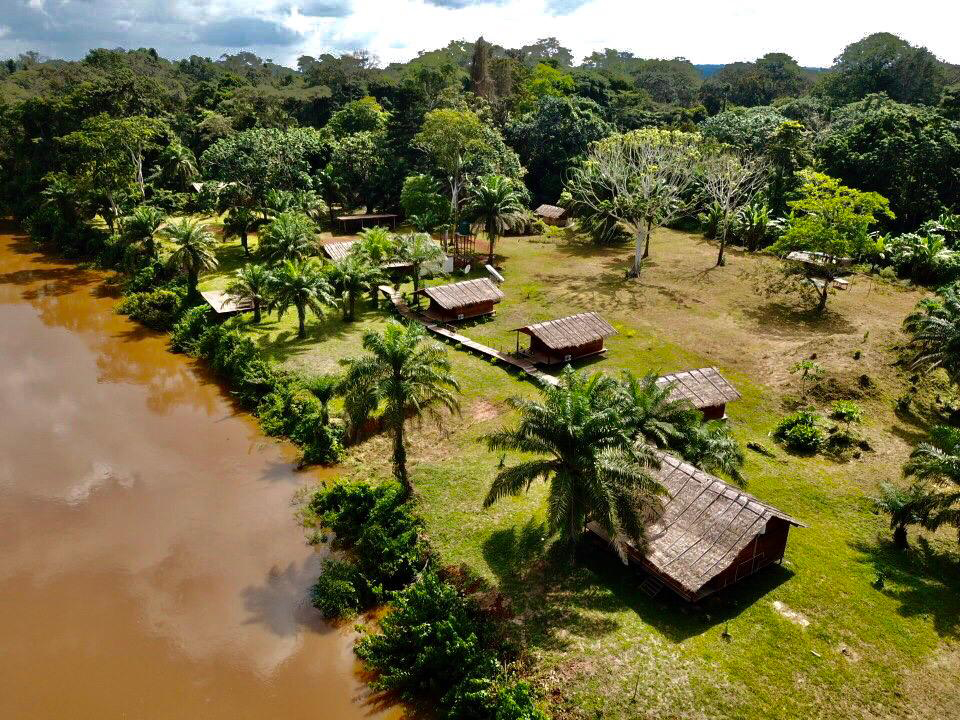
Mid-range lodge & tented camp accommodation (9 nights)
Airport transfers on arrival & departure
Armed ranger escorts on all bush walks
Village visit facilitation & interpreter
Expert English-speaking guide throughout
Bottled drinking water throughout
Excluded
International airfare to / from Kinshasa
Congo DRC visa & visa-related fees (typically $100+)
Travel, medical & evacuation insurance
Tips & gratuities for guides, rangers & camp staff
Drinks, bar tabs & premium beverages
Souvenirs & personal purchases
Vaccinations & malaria prophylaxis
Optional activities not listed in the itinerary
Optional Add-Ons
🎈
Hot air balloon sunrise safari over the savannah (subject to regional availability — enquire when booking)
🌙
Night game drive in Garamba to encounter civets, genets, and other nocturnal savannah species by spotlight
📷
Photography specialist guide — a professional wildlife photographer embedded with the group for technical guidance and optimal positioning on all game drives and canoe sessions
Travel Notes & Health
!
Pack light, breathable clothing for daytime heat and warm layers for early morning drives and evenings. Sturdy walking shoes, a wide-brimmed hat, binoculars, sunscreen, and insect repellent are essential. Telephoto lenses (200–500mm) are strongly recommended for wildlife photography — early morning and late afternoon are the best light windows.
!
All bush walks and remote area excursions are conducted with armed park rangers. Always follow your guide and ranger's instructions without exception — ranger protocols exist to keep you safe in areas where big game moves freely.
!
Roads between settlements are frequently rough or impassable in wet season — charter flights between the parks are both faster and significantly more comfortable, and are strongly recommended over overland alternatives where available.
!
Carry USD cash for tips, craft purchases, and any personal extras at remote lodges and camps. Credit and debit cards are rarely accepted outside Kinshasa. Note that older or damaged USD bills are frequently refused — bring newer denomination notes.
!
Health essentials: Yellow fever vaccination is mandatory for entry into the DRC. Malaria prophylaxis is strongly recommended for all participants — consult a travel health clinic at least 4–6 weeks before departure. Comprehensive travel and medical evacuation insurance is non-negotiable for travel to these remote national parks.
!
Visa requirements for the DRC change and must be confirmed with the relevant embassy for your specific nationality before booking international flights. Sankofa Africa Safaris provides current and up-to-date visa guidance to all confirmed clients.

Book This Tour

plan safari